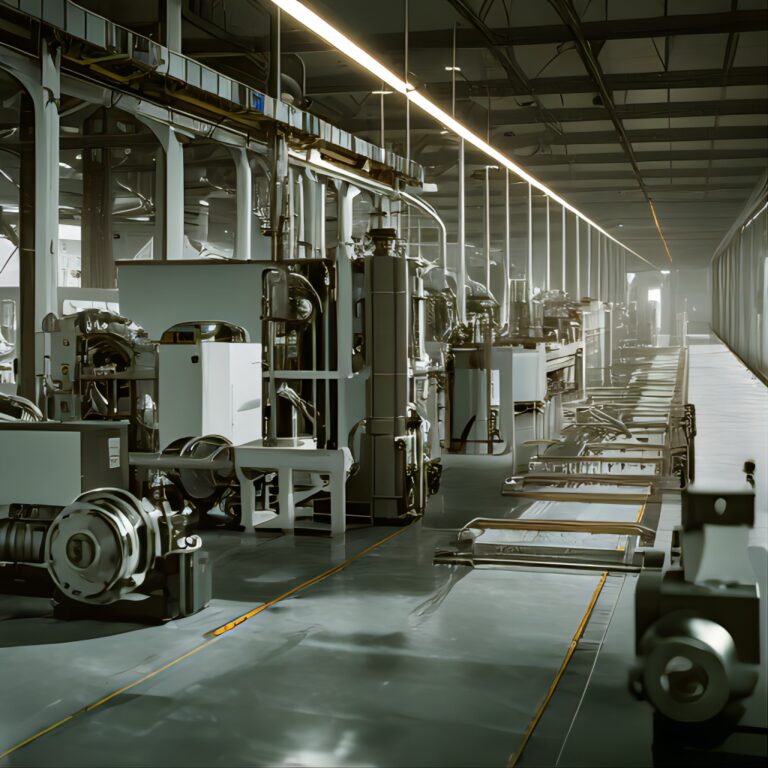
The packaging process refers to the steps involved in designing and creating the packages for products. It typically involves the following key steps:
Not sure which packaging machine fits your needs? Get a personalized recommendation based on your product and production target.
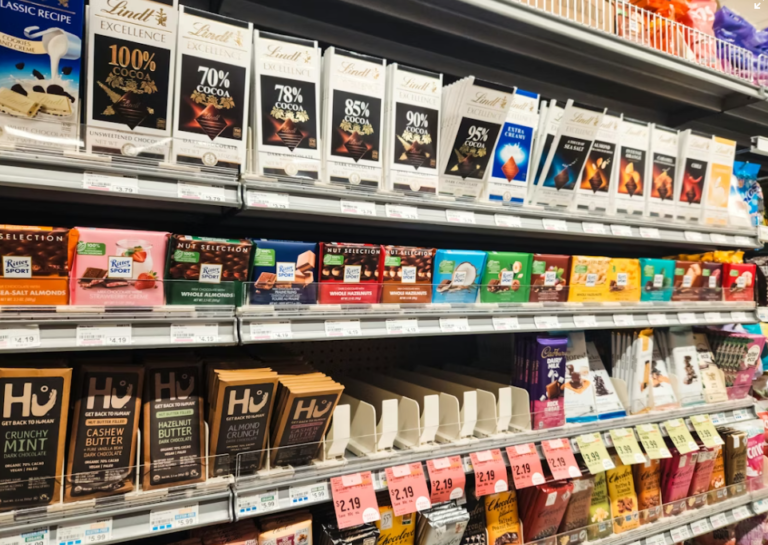
Find the Right Packaging Machine →Package design – The first step is to design the package. This includes selecting the package type (box, bottle, pouch, etc.), determining the size and shape, choosing materials, and designing any graphics or labels. Package design depends on the product being packaged, shelf-life needed, and ease of use.
Material selection – The packaging materials are selected based on the product type and needs. Common materials include glass, plastic, paper, paperboard, and metal. Materials must be approved for food or pharmaceutical use if needed. Cost, sustainability, barrier properties, and other factors are considered when choosing materials.
- Choosing the right packaging materials requires careful evaluation of GSM weight ratings, barrier properties, and sustainability certifications.
- Common substrates include corrugated board (210–350 GSM) for structural rigidity, FSC-certified paperboard for eco-conscious brands, and food-grade multi-layer flexible films for enhanced protection.
- Material selection must consider product weight, moisture sensitivity, and temperature requirements, especially in cold chain logistics.
- Compliance with regulations such as FDA food-contact approval is essential for food and pharmaceutical applications.
- Working with suppliers offering recyclable mono-materials and compostable films supports sustainability goals and meets growing consumer demand.
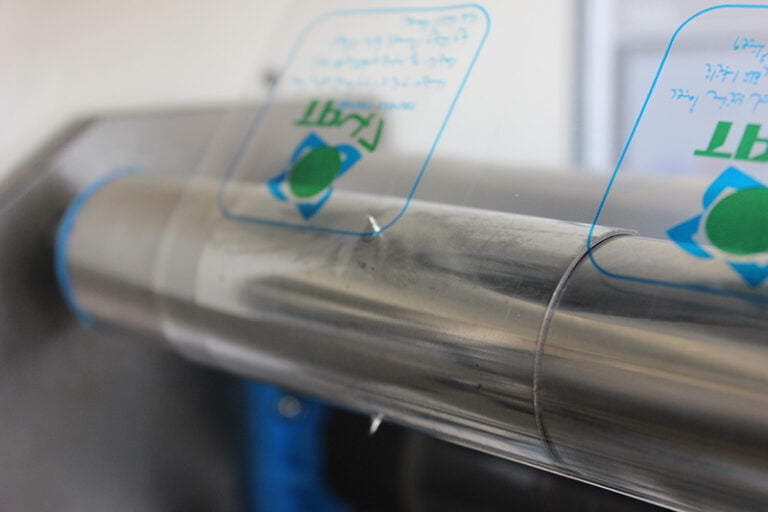
Package converting (Printing & Forming) – Before production begins, packaging engineers conduct rigorous package testing to validate barrier strength, drop resistance, and stackability according to ASTM D4169 and ISTA 3A standards. Prototype packages undergo compression testing, vibration simulation, and seal integrity checks to ensure they withstand the demands of automated filling, palletizing, and long-distance shipping. Once validated, packages move to the printing stage where offset printing or flexographic printing applies brand graphics with precise Pantone color matching. A lamination layer is then applied to enhance moisture barrier properties, UV protection, and overall durability. Die-cutting follows, using custom steel dies to create exact structural shapes with fold lines, locking tabs, and window cutouts that define the final package form.
Package testing – Prototype packages are tested to ensure they meet requirements like barrier strength, impact and drop resistance, stackability, resealability, etc. Testing protocols are based on industry standards. Packages must protect the product and remain intact during handling, shipping, and shelf storage.
Filling and sealing – Products are filled and sealed within the packages using automated or manual fillers and sealers. Fillers accurately dispense product into pre-made containers which are then sealed airtight to avoid contamination during shelf life. Packers oversee this step to ensure fill accuracy and quality seals.
Labeling – Pre-printed labels are applied to the primary package to provide information like ingredient lists, nutritional facts, logos, product name, manufacturer details, and barcodes. Proper labeling is legally required for commercial products. Labels can be applied manually or automatically with label applicators.
Secondary packaging – Primary packages are grouped together using secondary packaging like cartons, cases, or trays. This step makes handling and shipping the packages more efficient. Automated packers or case sealers are often used to pack primary packages into secondary cartons at high speeds.
Palletizing – Cartons from the secondary packaging step are stacked onto pallets for storage and transport. Pallets must be stretch or shrink wrapped to securely contain the cartons during shipment to customers or distribution centers. Pallet sizes and loading configurations are based on transportation needs and mechanical handling equipment.
Shipping – Loaded pallets are shipped to distribution centers, stores, or customers. Proper labeling, packing, and transport conditions must be maintained to avoid damage to the product during shipping. Temperature-controlled transport may be required for some products.
That covers the basic steps involved in the packaging process. Well-designed processes with high quality standards help create optimal package solutions for any product. Continuous improvement helps maximize both sustainability and efficiency over time.
Find the Right Packaging Machine
Get a personalized recommendation tailored to your product and production target.
- ✓ Machine type for your product
- ✓ Packaging format (pouch, sachet, bag)
- ✓ Production capacity match
- ✓ Optional configurations + auxiliary equipment

 English
  Spanish
  Russian
  Korean
  French
  German
  Italian
  Arabic
  Thai
Thai  Chinese
  Vietnamese
  Japanese
  Portuguese
  Dutch
Dutch  Malay
Malay