
Most persistent packaging problems are not caused by machine breakdowns, but by choosing equipment that was never designed for fine, hygroscopic powders. Experience from line audits and retrofits consistently shows that failing to account for powder behavior during the early design phase often leads to costly modifications, unstable output, and unnecessary product loss.
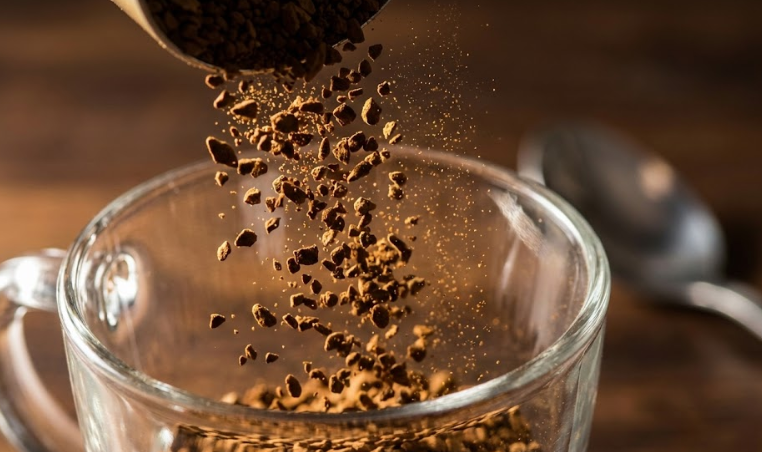
Across small and mid-scale coffee operations, teams frequently report that general-purpose powder machines appear acceptable during initial trials, but begin to struggle once daily throughput increases. Issues such as inconsistent fills, dust accumulation, and frequent recalibration are repeatedly cited as production scales.
Instant coffee powder is particularly unforgiving. Its sensitivity to moisture, oxygen, and static electricity means that “general-purpose” powder machines frequently underperform once production moves beyond pilot volumes.
Why Instant Coffee Requires a Dedicated Packing Solution
Not sure which powder packaging machine fits your needs? Get a personalized recommendation in 60 seconds.
Find the Right Powder Machine →Many operational issues in instant coffee lines originate from using generic powder equipment that lacks the precision and environmental control required for fine particles.
Common consequences include:
Weight inconsistency
Inaccurate filling causes product giveaway, which can significantly erode margins in high-volume production.
Production teams often note that even minor flow instability results in gradual weight drift over long runs, creating hidden losses that are difficult to detect without continuous check-weighing.
Aroma and freshness loss
Inadequate sealing or poor oxygen control allows moisture and oxygen ingress, degrading volatile coffee compounds.
Feedback from both our brand owners and downstream distributors highlights that aroma loss is often noticed before visual quality issues, making sealing performance a direct brand-risk factor.
Production instability
Dust generation and static buildup often result in material bridging, sensor contamination, and frequent line stoppages for cleaning.
Operators frequently describe static-related stoppages as one of the most disruptive issues in fine coffee powder lines, especially on equipment not originally designed for low-density powders.
These issues are rarely solved through operator intervention alone; they require equipment specifically engineered for coffee powder behavior.
Market Demand and Expectations
Trends Influencing Powder Packaging Choices
The instant coffee market continues to shift toward convenience-driven formats, particularly single-serve stick packs and travel-friendly sachets. At the same time, brand owners face increasing pressure to adopt sustainable packaging materials without compromising shelf life or seal integrity.
Packaging machinery must therefore balance speed, precision, and material adaptability.
Consumer and Industry Insights
End users increasingly associate brand quality with portability, dosing accuracy, and airtight reliability.
As direct-to-consumer brands and frequent travelers consistently said that consumers notice even minor seal failures. Clumping during travel or storage is commonly cited as a reason for brand switching, reinforcing the expectation that industrial packaging must replicate—at scale—the protection users often attempt to achieve manually through vacuum sealing or rigid containers.
Technical Challenges Unique to Instant Coffee Powder
Successful coffee packaging depends on addressing the powder’s specific physical properties.
Flowability and static behavior
Fine coffee powders are prone to clumping and electrostatic adhesion, which interferes with filling accuracy and repeatability.
Production feedback frequently points to powder adhesion on hopper walls and sealing areas as a root cause of inconsistent weights and unexpected downtime.
Oxygen sensitivity
Nitrogen flushing is widely adopted to displace oxygen inside the package, slowing oxidation and reducing caking during storage.
Brands targeting longer shelf life repeatedly identify oxygen control as more critical than nominal packaging speed.

Precision dosing requirements
Auger filling systems are generally preferred over gravity fillers because they offer tighter weight tolerances for low-density, inconsistent powders.
Ignoring these factors often results in unstable output, even when nominal machine speed appears sufficient.
Types of Instant Coffee Powder Packaging Solutions
Selecting the right solution requires matching the machine architecture to your target packaging format and throughput requirements.
| Solution Type | Typical Role | Performance Notes |
|---|---|---|
| VFFS (Vertical Form Fill Seal) | Sachets and pillow bags | Typically achieves 30–70 bags per minute |
| Auger Filling System | Precision powder dosing | Essential for fine, hygroscopic powders |
| Stick Pack Machines | Single-serve formats | Multi-lane designs increase total output |
| Premade Pouch Machines | Premium retail packaging | Supports complex bag shapes and strong seals |
Packaging Bags Comparison

- Stick sachets
Best suited for single-cup, on-the-go consumption.Frequently favored by travelers and subscription brands for portion control and portability. - Pillow bags
Cost-effective and efficient for standard retail distribution. - Stand-up pouches
Ideal for premium positioning and enhanced shelf visibility. - Bulk bags
Appropriate for industrial or foodservice distribution channels.
Each format places different demands on filling accuracy, sealing pressure, and material handling.
How to Choose the Right Coffee Packing Machine
The optimal solution is not defined solely by speed, but by how well it aligns with your product characteristics and long-term brand strategy.
Key evaluation criteria include:
- Define real capacity requirements
Consider both average output and peak demand, rather than nominal machine speed alone. - Match equipment to powder behavior
Look for anti-static designs, controlled auger filling, and dust-management features.
Teams that skip this step often report recurring adjustments and manual intervention during long production runs. - Plan for material evolution
Ensure the machine can reliably handle recyclable or compostable films as packaging regulations evolve. - Integrate quality control from the start
Nitrogen flushing, check-weighers, and dust extraction systems are most effective when designed into the line, not added later.
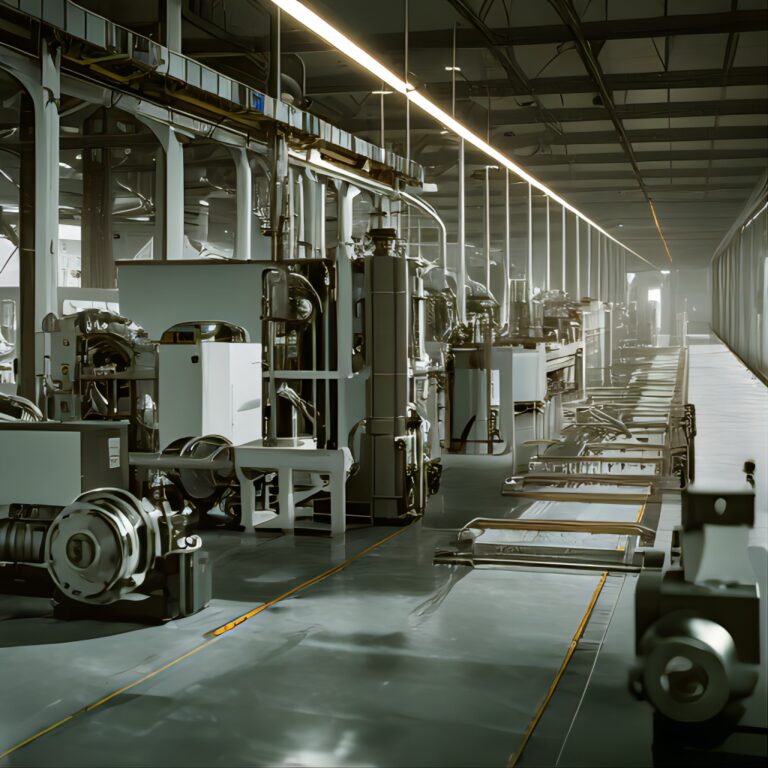
What a Standard Instant Coffee Packaging Line Like?
High-quality instant coffee packaging lines emphasize durability, control, and modularity.
- Material construction
Food-contact components should be manufactured from SS304 stainless steel to ensure hygiene and corrosion resistance. - Control systems
PLC-based controls with touch-screen HMIs allow precise adjustment, monitoring, and fault diagnosis. - Modular customization
A well-designed system supports optional integration of coding, printing, degassing, or secondary packaging modules.
How Lintyco Optimize Efficiency for a Growing Coffee Brand
When a mid-sized instant coffee manufacturer in Southeast Asia faced a bottleneck in their production line, they reached out us for a complete solution.It can handle their diverse coffee product range—from bulk pillow bags for catering clients to premium single-serve sticks for retail.
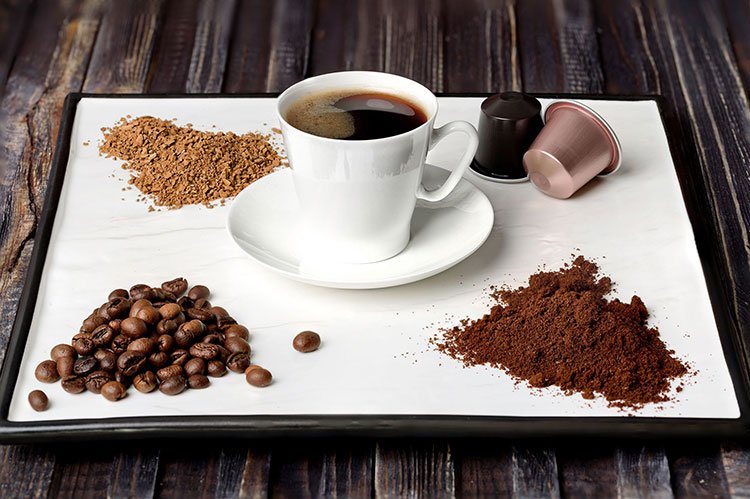
Their primary challenges were:
- Inconsistent Fill Weights: Their older volumetric fillers struggled with the fine, hygroscopic nature of spray-dried coffee powder, leading to product giveaway and inconsistent taste profiles.
- High Changeover Times: Switching between their 3-in-1 mix and pure black coffee powder took over 4 hours, severely impacting their weekly throughput.
- Limited Shelf Life: A lack of proper sealing and nitrogen flushing capabilities meant their export products were prone to caking before reaching destination markets.
The Solution: An Integrated Production Line
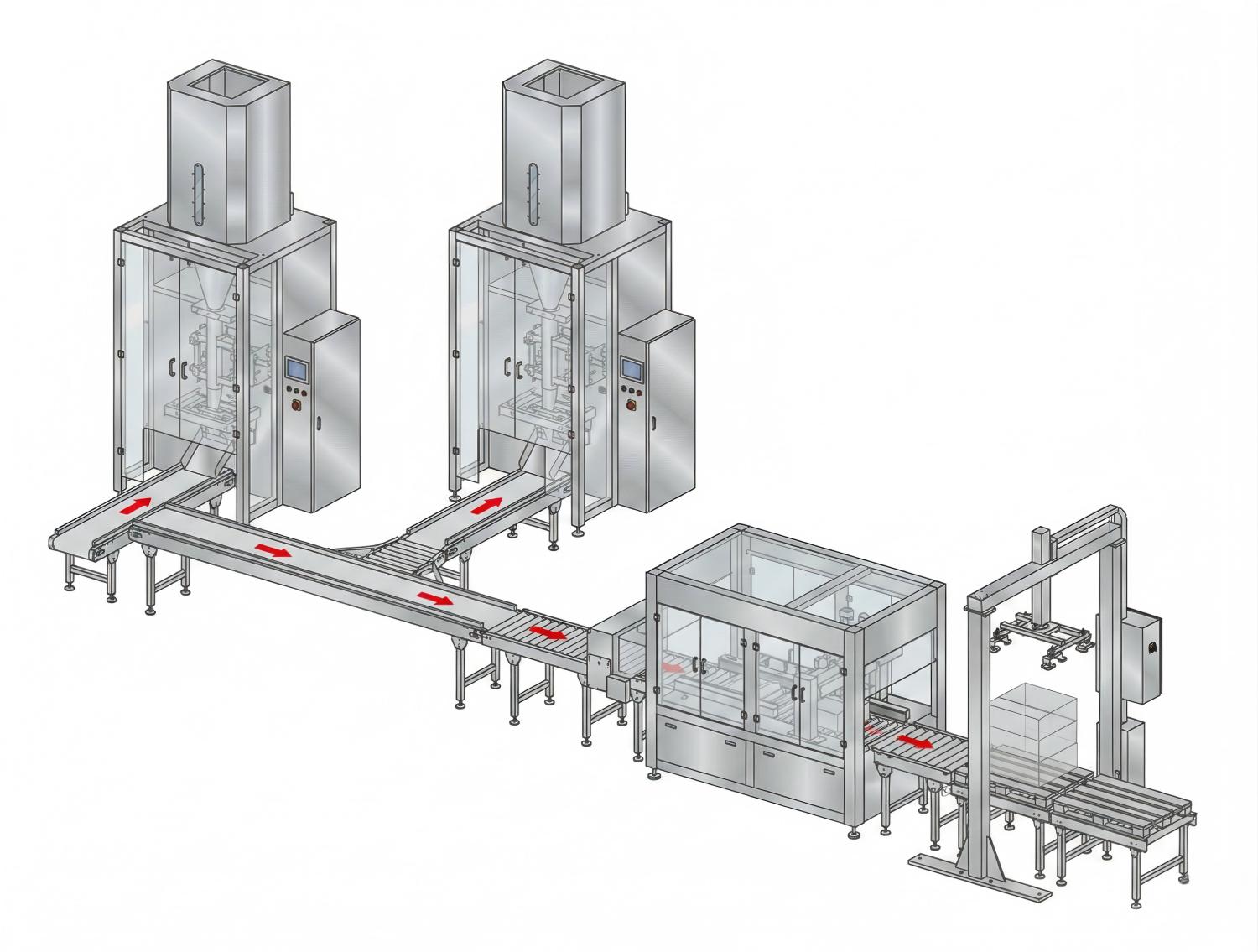
To address these pain points, an integrated packaging system was designed around the Lintyco VFFS Series with Auger Integration.
- Precision Handling: The core of the upgrade involved replacing standard fillers with a servo-driven Auger Filling System. By customizing the auger screw geometry specifically for fine coffee powder, the manufacturer reduced fill weight variation from ±4% to under ±1%, significantly cutting material waste.
- Rapid Flexibility: The new system featured a tool-less changeover design. Operators could now switch between bag formats and cleaning cycles in under 45 minutes, allowing the brand to run smaller, varied batches for different market tests without sacrificing efficiency.
- Enhanced Freshness: A synchronized Nitrogen Flushing Unit was embedded into the forming tube. This reduced the residual oxygen level (RO) inside the sachets to below 2%, effectively doubling the product’s shelf stability for overseas shipping.
The Result
Within six months of installation, the manufacturer reported a 35% increase in daily output and a 15% reduction in film material waste. By moving from manual quality checks to an integrated check-weigher system, they also eliminated consumer complaints regarding empty or under-filled sachets.
This transition illustrates that the right instant coffee powder packaging solution isn’t just about speed—it’s about creating a flexible, waste-reducing ecosystem that adapts to your specific market demands.
FAQ: Instant Coffee Powder Packaging
Q: Is nitrogen flushing necessary for instant coffee?
A: While not legally mandatory in all markets, it is widely regarded as an industry standard for preserving aroma and reducing oxidation.
Q: What is the best machine for single-serve packs?
A: Stick pack machines are purpose-built for single-serve formats and offer reliable dosing at small fill weights.
Q: Can one machine handle all powder types?
A: No single system is perfect for every powder, but auger fillers provide the highest versatility for fine, inconsistent materials like instant coffee.
Find the Right Powder Machine
Get a personalized recommendation tailored to your product and production target.
- ✓ Machine type for your powder product
- ✓ Packaging format (pouch, sachet, bag)
- ✓ Production capacity match
- ✓ Optional configurations + auxiliary equipment
Conclusion
The most effective instant coffee powder packing solution is not necessarily the fastest machine on the market, but the one that protects product integrity, stabilizes production, and minimizes long-term waste.
By understanding the technical behavior of your powder and aligning equipment selection with evolving market expectations, you can build a packaging line that supports consistent quality and sustainable growth.
Do not hesitate to Contact our experts if any question.

 English
  Spanish
  Russian
  Korean
  French
  German
  Italian
  Arabic
  Thai
Thai  Chinese
  Vietnamese
  Japanese
  Portuguese
  Dutch
Dutch  Malay
Malay