
Pouch sealer machines are essential core equipment in contemporary packaging production lines, providing flexible and efficient soft packaging sealing solutions for multiple industries including food, pharmaceutical, chemical, and retail.
These advanced systems utilize heat, pressure, and sophisticated control mechanisms to create sealed, tamper-proof closures that maintain product integrity. These machines incorporate technological innovations such as predictive maintenance, computer vision inspection, and compatibility with sustainable materials. From manual tabletop sealers to continuous belt sealers, vacuum sealers and vertical pouch sealers, they meet diverse requirements ranging from small-batch production to high-speed automated production lines.
Not sure which pouch format your sealer should handle? See all 8 bag styles side by side with photos and typical sizes.
See the visual bag style guide →How Many Types of Pouch Sealer Machines?
Heat sealers come in several configurations to meet different production needs and material requirements:
Hand-Operated Table Top Sealers
This sealing machines adopts electronic constant temperature control and stepless speed regulation transmission system, with automatic continuous sealing, colored coding date, one-time completion function, and can be used horizontally or vertically. Used for sealing and bag making of single-layer films and various composite films, widely used in food, pharmaceutical, seed, chemical, light industry and other sectors.
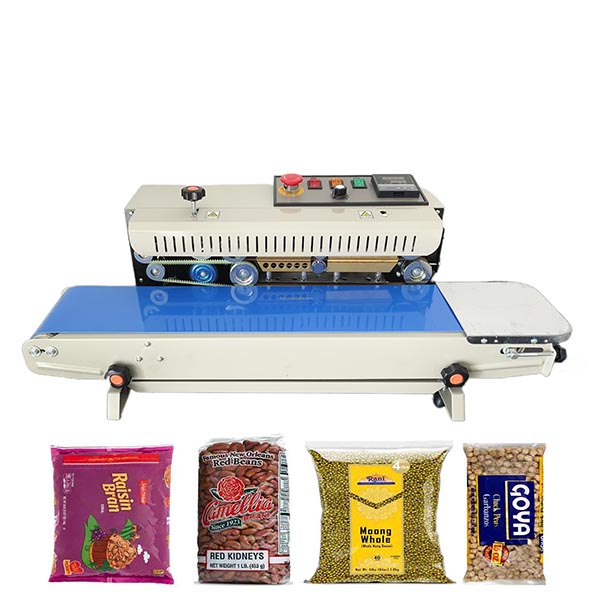
Continuous Band Sealers
Continuous band sealing machines, also known as heat sealing machines, are sophisticated pieces of equipment offering efficient, reliable and versatile sealing solutions across various sectors, particularly in the food and beverage , cosmetic , pharmaceutical and chemical industries.
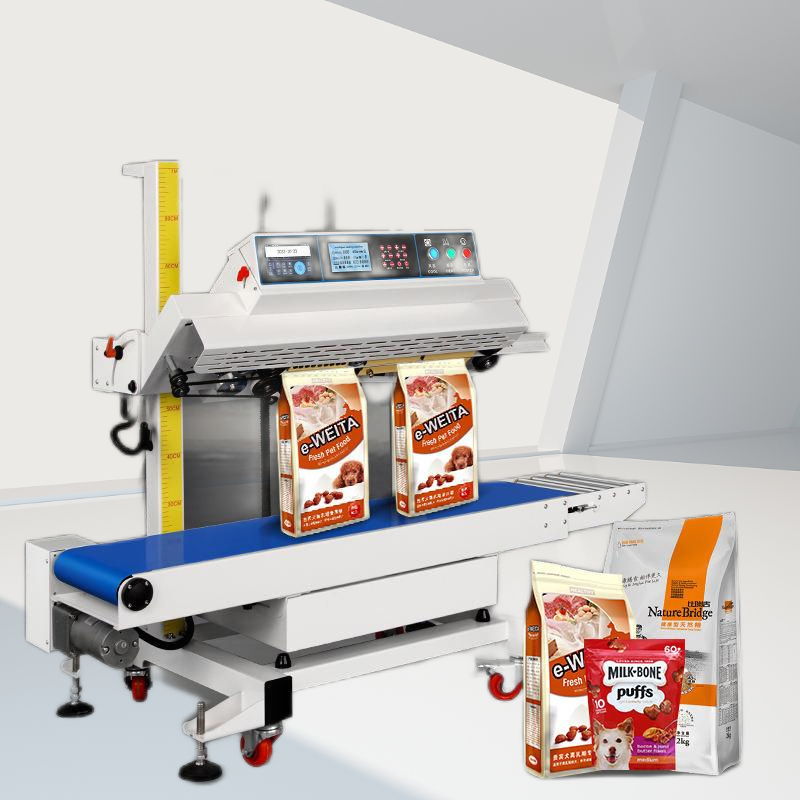
For producing high quality leakproof seals consistently and handling various pack styles, please do not hesitate to ask us !
Our pouch and bag sealing machines function by continuously feeding bags through a conveyor belts (either vertically or horizontally) ,then heated sealing jaws that fuse the thermoplastic material together to create an air-tight seal. Through precise temperature control and optional gas flushing, high-quality sealing is available for a range of packs as well as products.
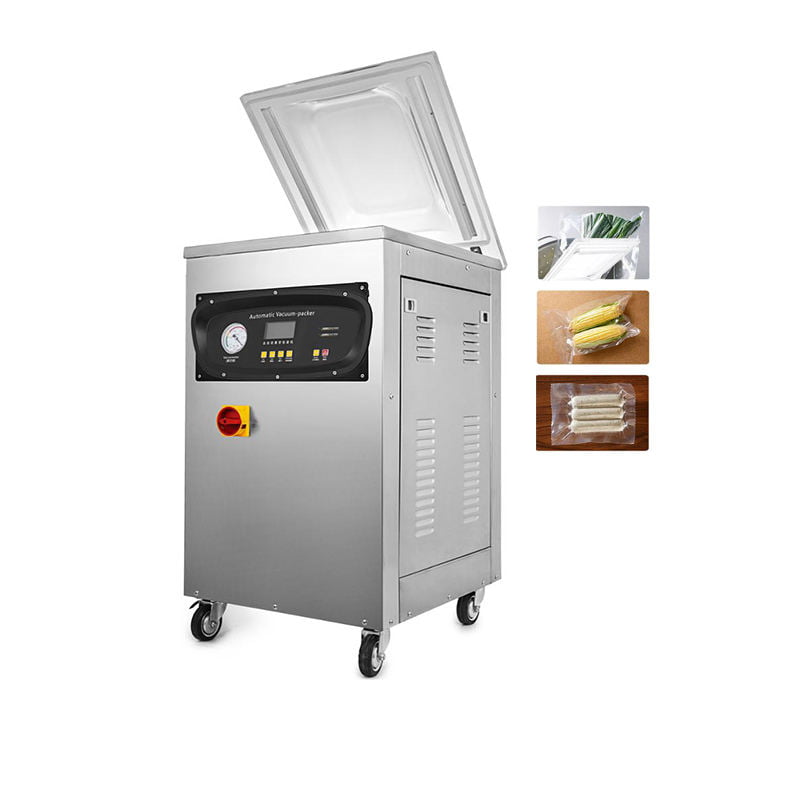
Vacuum Sealers
Unlike vacuum chambers, these machines process bags externally, allowing operators to monitor products during sealing. The Magvac power sealer, for example, is a validated heavy-duty stainless-steel unit suitable for food and pharmaceuticals, ensuring consistent temperature and pressure with each seal.
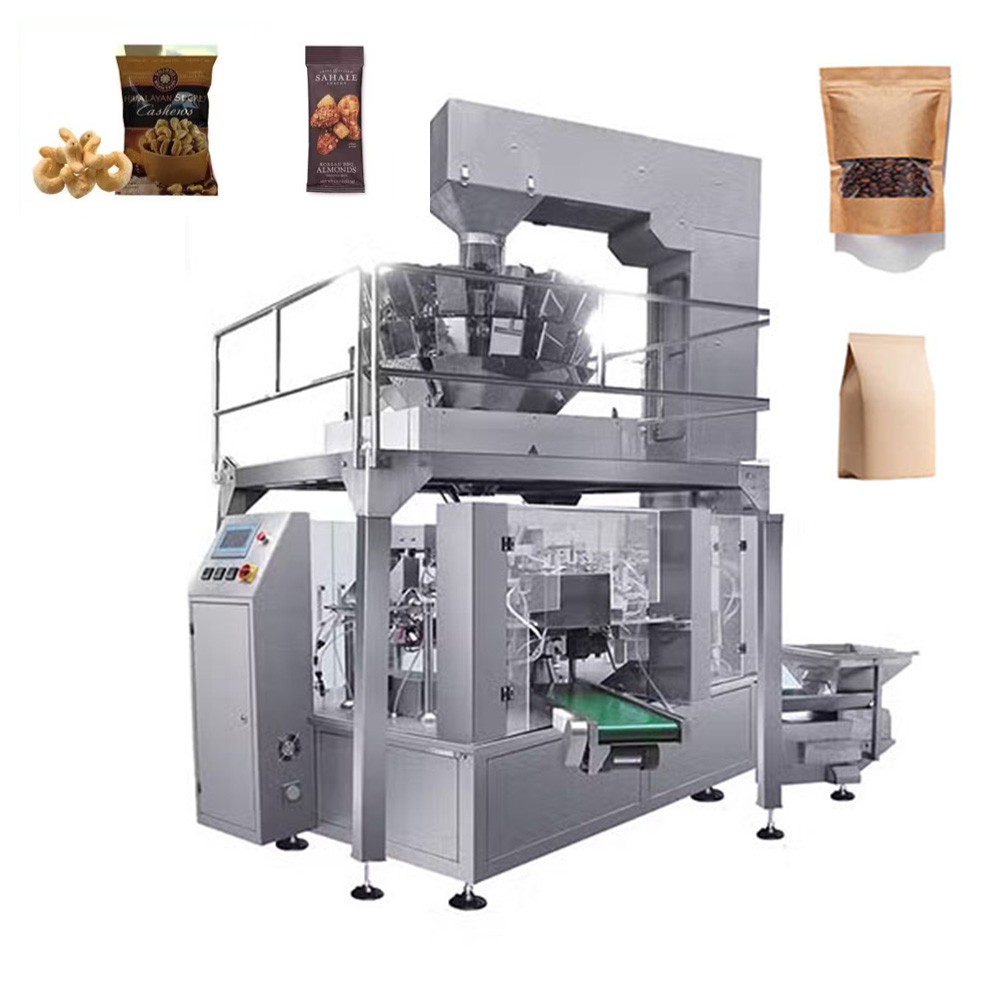
Vertical Pouch Sealers
Lintyco Pack engineered the Doypack machine to achleve the leading price performance ratio and compact machine footprint. This economical pouch sealing machine is specially designed for doypack bags from roll stock, including the creation with a zipper and other various of stand up pouch bags.
Leading Pouch Sealer Machine Manufacturers
European Innovators
UK-based Hulme Martin has manufactured industrial sealers since the 1960s, specializing in heavy-duty machines for pharmaceutical and military applications. Their HM-1020 vacuum sealer handles pouches up to 1,020mm wide with 25+ year operational lifespans1. Audion Elektro (Netherlands) offers the Magneta series, featuring electromagnetic jaw closure for precise alignment in food packaging lines.
Asian Cost-Effective Solutions
Chinese firms like Wenzhou Bengang Machinery dominate the budget segment, offering semi-automatic band sealers at $3,000–$8,000 versus European equivalents priced 2–3× higher. Turkish manufacturer Girisim Packaging bridges quality and affordability, providing gas-flush capable sealers with HMI interfaces for Middle Eastern markets.
North American Automation Leaders
Plexpack (Canada) supplies high-speed Emplex band sealers integrated with robotic loaders, achieving 80 pouches/minute in snack food lines. These systems incorporate vision inspection for seal integrity checks, rejecting defective packs at 0.1-second intervals.
Match Your Sealer to the Right Bag Style
The visual guide shows each pouch format with photos, dimensions, seal type, and what products it suits — pick your format before you pick your machine.
- ✓ 8 formats with photos
- ✓ Typical products & sizes
- ✓ Machine compatibility notes
- ✓ Free, no signup
How to Choose Pouch Sealer Machine?
When selecting the right pouch sealer machine for your business, consider these key factors to ensure optimal performance and return on investment:
- Production Volume: Match the machine to your output needs—hand sealers handle 100-200 bags daily, foot pedal models process 300-500 bags, automatic sealers manage 800-1200 bags, and band sealers can seal up to 4000 bags per day.
- Product Characteristics: Consider the size, weight, and contents of your pouches. Standard models like the mod work for typical bags, while heavier packs require heavy-duty machines, and products needing oxygen removal benefit from gas-flush models.
- Space Constraints: Measure your production area before purchasing to ensure the machine fits without disrupting workflow.Portable options benefit smaller operations, while larger facilities can accommodate fixed industrial systems.
- Material Compatibility: Verify the sealer works with your packaging materials—different machines are designed for specific film types and thicknesses.For delicate products like fresh fruit or baked goods, look for models with gentle vacuum settings to prevent crushing.
- Budget Considerations: Prices range from $50-150 for basic impulse sealers to $2000-4000 for heavy-duty automatic models. Factor in long-term productivity gains when evaluating cost—automatic machines require less labor than manual alternatives.
The decision between manual and automatic systems ultimately depends on balancing initial investment against labor savings, production efficiency, and quality consistency.
Conclusion
Pouch sealer machines have evolved from simple heat applicators to intelligent systems integral to sustainable, efficient packaging lines. As material science advances and regulatory pressures mount, manufacturers must prioritize adaptability—developing sealers that handle novel biopolymers while maintaining throughput. The integration of Industry 4.0 technologies positions pouch sealing at the forefront of smart packaging, ensuring product safety from factory to consumer.
Choosing a packaging machine manufacturer is a significant decision. It’s not just about the machines; it’s about the service, the support, and the relationship. Image you grow your business with Lintyco, you will get more than just a machine – you get a partner committed to your success. So, when it comes to packaging machines, trust Lintyco – a leading manufacturer that stands for quality, innovation, and customer satisfaction.
If you have any question, do not hesitate to contact us !
2026 Buyer’s Checklist: What Changed This Year
Last reviewed and updated: November 2026.
Sealing technology has not stood still. Based on the machines we shipped and commissioned across 2025–2026, three shifts matter for buyers right now:
- Servo-driven seal pressure control is now standard on mid-range machines (not just premium lines) — it holds seal integrity at 40+ bags/min where older crank machines drift. If a quote does not include servo sealing at this speed tier, ask why.
- Sustainable film compatibility: mono-material PE and recycled-content films seal narrower windows than laminates. Machines commissioned before 2023 often need a jaw temperature-profile retrofit to run them reliably. Confirm any used or older machine has been re-validated for your actual film.
- Quick-change jaws (under 15 minutes) have become the deciding factor for contract packers running multiple SKUs. Count the tools and steps in a live demo, not the brochure claim.
Realistic 2026 Price Ranges (Refreshed)
Indicative FOB China ranges we see in current quotations: manual bench sealers stay in the few-hundred-USD tier; rotary-bench and continuous-band machines occupy the $1,500–$6,000 band depending on width and heater count; vertical form-fill-seal pouch sealers with servo control run roughly $8,000–$25,000; fully integrated lines with auger or multi-head dosing start around $30,000 and scale with throughput and washdown rating. Treat these as orientation, not quotes — film type, frame material and local compliance (CE, UL) move the final number more than most buyers expect.
FAQ (Added November 2026)
Which pouch sealer handles retort or high-barrier films?
High-barrier laminates (PET/AL/PE, retort-grade) need wider temperature windows and heavier jaw pressure than standard films. Specify servo-controlled heating with per-zone profiles, and always witness a seal test on your film before ordering.
How often do sealing jaws need servicing?
With abrasive or metallized films, jaw surfaces show wear after roughly 2,000–4,000 operating hours; plain PE films are far gentler. Budget jaw re-machining as a yearly line item and keep one spare set on the shelf — lead times on custom jaw geometry routinely run 4–8 weeks.
Is a vacuum sealer worth it for snack products?
For nitrogen-flushed pillow bags, a gas-flush VFFS usually beats vacuum chamber sealing on speed and shelf-life consistency. Vacuum chambers shine for solid products in rigid or semi-rigid pouches. Our snack packing machine comparison breaks down the trade-offs by product type.



 English
 Spanish
 Russian
 Korean
 French
 German
 Italian
 Arabic
 Thai
 Chinese
 Vietnamese
 Japanese
 Portuguese
 Dutch
 Malay


