
In the modern pharmaceutical and nutraceutical landscape, demand for single-dose packaging is steadily increasing. Whether for over-the-counter (OTC) medicines, dietary supplements, or veterinary products, how a tablet is packaged has a direct impact on product stability, brand perception, and shelf life.
While powders and liquids are commonly packed in narrow stick packs, tablets present unique physical and mechanical challenges that require a different technical approach. Choosing between a sachet and a stick pack is therefore not a question of appearance—it directly affects dosing accuracy, tablet breakage rate, and overall line efficiency.
Why Tablet Packaging Format Matters
Not sure which snack packaging machine fits your needs? Get a personalized recommendation in 60 seconds.
Find the Right Snack Machine →Tablets differ fundamentally from flowable powders or liquids. They are solid, often brittle, and require precise counting rather than volumetric filling. As the market continues to shift toward portable, on-the-go healthcare formats, manufacturers must balance convenience with strict pharmaceutical requirements.

The selected packaging format determines how tablets are handled throughout the filling process. This directly influences tablet coating integrity, dust generation, and the reliability of the final hermetic seal.
How Does a Tablet Packing Machine Work?
Understanding the mechanical journey of a tablet helps clarify why machine architecture matters.
Feeding and Counting
Tablets are transferred from a hopper into a counting system. High-precision lines typically use vibratory bowl feeders for orientation or channel counting systems to ensure the exact number of tablets per pack.

Film Forming
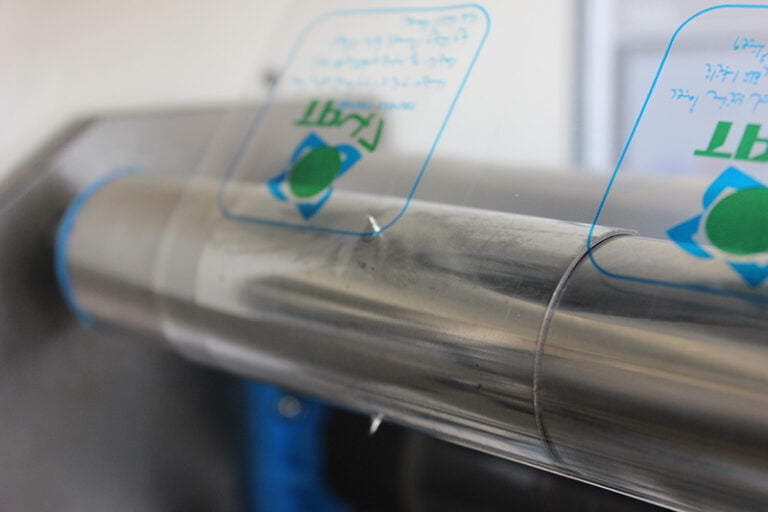
A flat roll of packaging film is drawn through a forming collar, shaping it into either a tubular or flat pouch configuration, depending on the machine design.
Filling
Tablets are released into the formed film. Precise timing is critical to ensure tablets fall cleanly to the bottom of the package and do not interfere with the sealing area.
Sealing and Cutting
Heat sealing jaws apply controlled pressure and temperature to close the package. Accurate temperature control is essential to avoid heat transfer that could affect sensitive active pharmaceutical ingredients (APIs).
Sachet vs. Stick Pack for Tablet Packaging
What Is Sachet Packaging for Tablets?

A sachet is typically a flat pouch sealed on three or four sides. In tablet applications, sachets offer exceptional flexibility. Their wider surface area allows them to accommodate single tablets or multiple-tablet daily dose combinations without excessive thickness or stacking stress.
What Is Stick Pack Packaging and Its Typical Use Cases
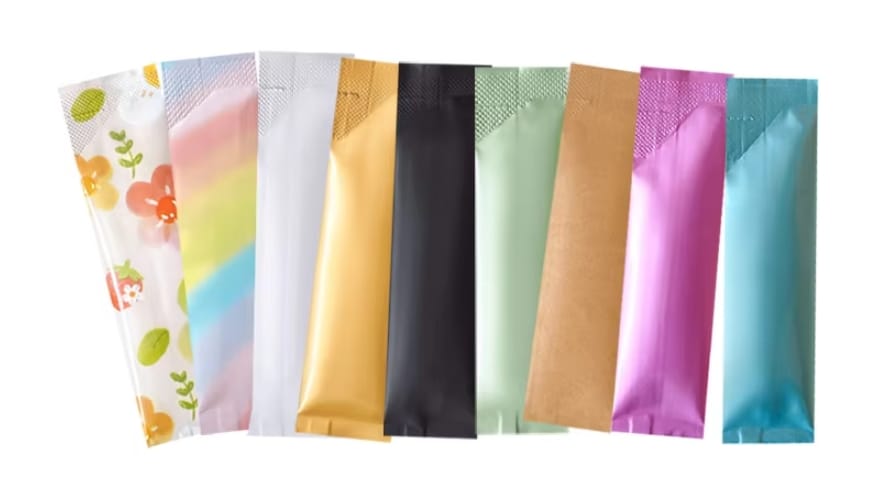
Stick packs are narrow, longitudinal packages designed primarily for powders, granules, and liquids. While highly efficient for those formats, they have natural limitations when used for tablets. The restricted width limits tablet movement during filling, increasing the likelihood of jams, misalignment, and breakage.
Technical Challenges When Packing Tablets
Tablet Counting Accuracy and Breakage Control
Sachet machines are generally more compatible with multi-channel counting modules, enabling higher output without increasing tablet drop velocity. This significantly reduces the risk of chipping or fracture.
For high-precision tablet applications, vertical form-fill-seal architectures with dedicated counting systems are commonly used in
vertical packaging machines, as they provide better control over tablet flow and impact forces.

Dust Management and Seal Integrity
Tablet abrasion inevitably produces fine dust during handling. In narrow stick packs, this dust can easily contaminate the sealing area, leading to leaks. Sachets, with their wider sealing margins, offer greater tolerance to dust and more reliable seal consistency.
Compliance and Traceability Requirements
Both sachet and stick pack formats must meet strict GxP and regulatory standards. However, sachets provide more printable surface area, making it easier to apply legible batch numbers, expiration dates, and QR codes required for pharmaceutical traceability.
Sachet vs. Stick Pack: Production-Level Comparison
| Feature | Sachet Packaging | Stick Pack Packaging |
|---|---|---|
| Tablet flexibility | High (1–N tablets, various shapes) | Limited (fixed narrow width) |
| Sealing stability | High (wide seals, dust tolerant) | Lower (dust-sensitive sealing area) |
| Film compatibility | Works with most laminates | Requires high-tension, narrow films |
| Line efficiency | Stable at high volumes | Higher reject risk due to jams |
Typical Tablet Packaging Line Configuration
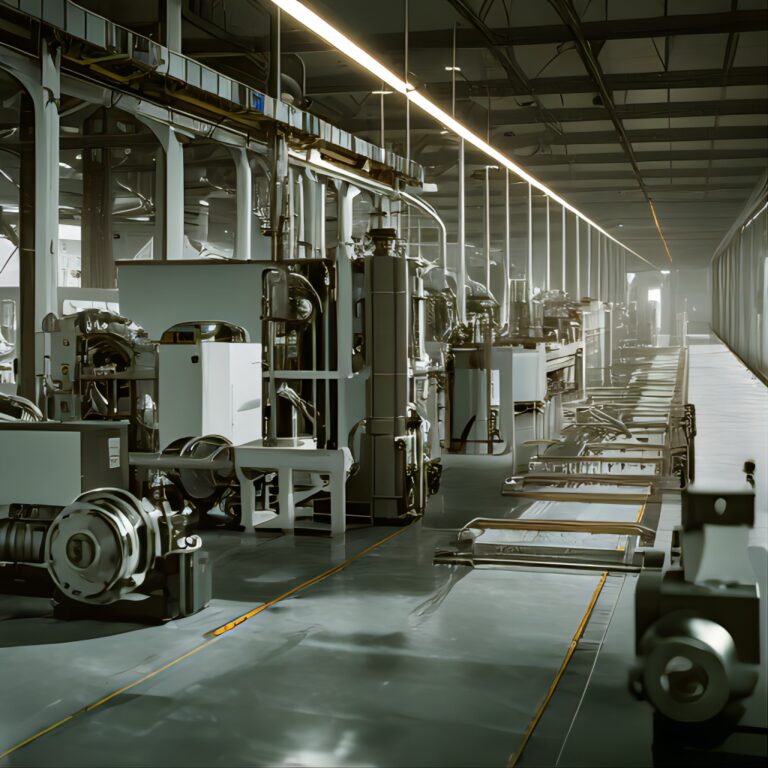
In real production environments, tablet sachet systems are typically delivered as integrated solutions combining feeding, counting, forming, sealing, and coding modules. These setups are often referred to as a complete packaging line, simplifying validation, commissioning, and future scalability.
Sachet Machine Line for Tablets
A standard workflow follows:
Feeding → Counting → Forming → Sealing → Coding
This linear configuration allows easy integration of inspection tools such as vision systems to verify tablet count before final sealing.
Which Pack Format Fits Your Tablet Product?
High-value tablets
Sachet packaging is preferred due to its lower reject rates and enhanced product protection.
Fragile or coated tablets
Gentle handling and reduced stacking pressure help preserve tablet coatings.
Multi-tablet daily dose packs
Sachets are the only practical solution for packaging multiple tablets in a single unit.
Sachet Machine Solutions for Tablets from Lintyco PACK
Why Sachet Machines Are Often Chosen for Tablet Packaging
The preference for sachet packaging in tablet applications is driven by mechanical principles rather than marketing claims. Wider pouch geometry enables multi-channel counting, improved dust tolerance, and more consistent sealing performance.

Custom Sachet Packaging Lines for Tablet Applications
Manufacturers requiring flexible tablet counts per sachet or future format expansion often choose
sachet packing machines configured with modular dosing systems.
Rather than focusing on rigid machine models, these systems are customized according to tablet characteristics and production goals, commonly supporting:
- Nutraceutical tablets such as vitamins and herbal supplements
- OTC pharmaceutical tablets including pain relief and allergy products
- Veterinary tablets for companion animal health
Common Mistakes When Choosing Tablet Packing Machines
May be you will meet next mistakes:
- Applying stick pack logic directly to tablet products
- Underestimating the impact of dust and tablet abrasion
- Prioritizing nominal speed instead of long-term line stability and reject rates
Find the Right Snack Machine
Get a personalized recommendation tailored to your product and production target.
- ✓ Machine type for your snack product
- ✓ Packaging format (pouch, sachet, bag)
- ✓ Production capacity match
- ✓ Optional configurations + auxiliary equipment
Frequently Asked Questions
Is sachet packaging suitable for pharmaceutical tablets?
Yes. Sachet packaging is widely used for pharmaceutical and nutraceutical tablets, especially for single-dose or short-term treatments, provided GMP and traceability requirements are met.
How accurate is tablet counting in sachet machines?
Modern sachet machines with dedicated counting systems achieve high accuracy while minimizing tablet breakage and dust generation.
Can one sachet contain multiple tablets?
Yes. Sachet machines can be configured to pack one or multiple tablets per sachet, depending on dosing requirements.
Sachet packaging vs. blister packaging for tablets: which is better?
Both formats have advantages. Sachets offer flexibility and cost efficiency for single-dose applications, while blister packs provide strong unit protection and visibility.

 English
  Spanish
  Russian
  Korean
  French
  German
  Italian
  Arabic
  Thai
Thai  Chinese
  Vietnamese
  Japanese
  Portuguese
  Dutch
Dutch  Malay
Malay