
Buying a packaging machine sounds simple. It isn’t.
Many buyers start by asking, “Which machine should I buy?” But in dairy packaging, that’s usually the wrong first question. The better question is: What product are you packing, what format do you need, and how much hygiene control does your operation require?
The dairy packaging market is large and still expanding. Industry reports estimate the global dairy packaging market at around USD 38.7 billion in 2025, with growth expected to continue through 2035. The dairy packaging machine market is also rising steadily as manufacturers push for more automation, better hygiene, and more flexible packaging formats.
That growth tells us something important: this is no longer just about buying equipment. It’s about building a packaging system that protects product quality, improves efficiency, and supports long-term production goals.
What is a Dairy Packaging Solution?
Planning a dairy packaging line? Build your complete line — from filling to cartoning — in minutes.
Build your dairy packaging line →A dairy packaging solution is not just one machine.
It is the full packaging workflow — from filling and sealing to cartoning and case packing. For dairy products, this system must also support food safety, product consistency, and cleaning efficiency. That is why the right solution depends on much more than machine speed alone.
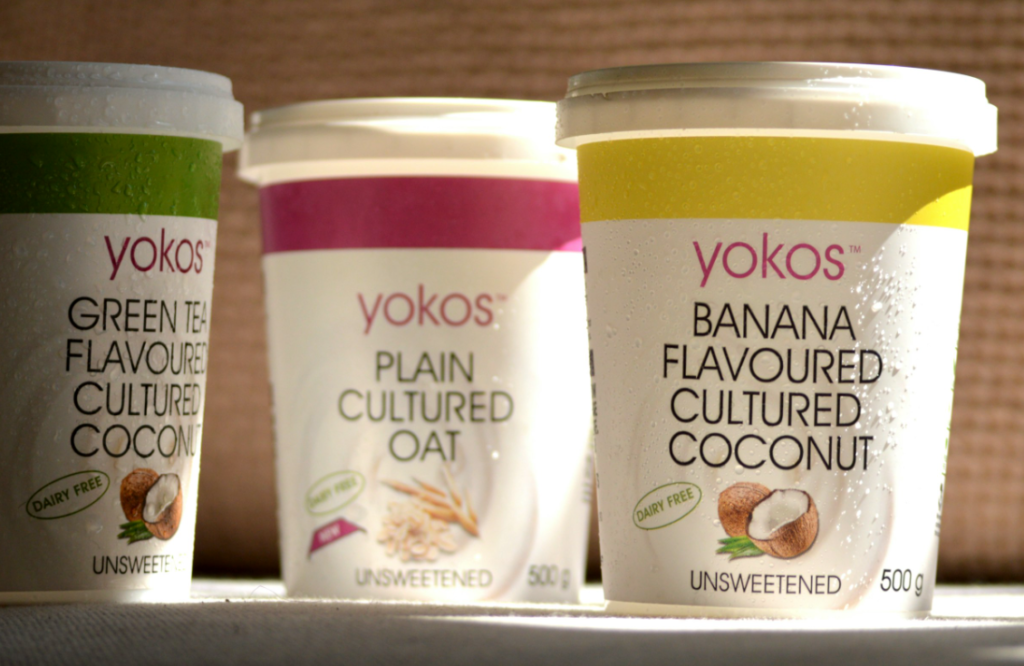
This matters because dairy products are highly sensitive to contamination, temperature changes, and packaging defects. A small issue in sealing or cleaning can affect shelf life, product safety, and customer trust.
Types of Dairy Products and Their Packaging Requirements
Different dairy products need different packaging approaches.
Liquid Dairy: Milk and Cream
Liquid dairy requires strong contamination control and reliable sealing. These products are highly perishable, so the packaging line must minimize exposure during filling and handling.
For this category, hygienic design, leak prevention, and clean filling systems are essential. If the machine cannot maintain sanitary operation, the product’s shelf life and safety are both at risk.
Semi-Solid Dairy: Yogurt and Cheese Spread
Semi-solid products create a different challenge.
Yogurt, cheese spread, and similar products have higher viscosity, which means the machine must handle thicker flow, prevent dripping, and maintain accurate fill volumes. Standard liquid filling systems may not perform well here unless they are properly configured for viscous products.
This is also where packaging format matters. Cups, pouches, and stick packs each require different filling and sealing logic.
Powder Dairy: Milk Powder and Whey
Powder dairy products need moisture protection and precise dosing.
Even small sealing defects can lead to clumping, spoilage, or reduced product quality. In this category, accurate weighing, strong barrier materials, and airtight sealing are critical. For high-volume powder lines, automation also helps reduce dust exposure and improve consistency.
How Many Type of Dairy Packaging Machines?
The right machine depends on your product, packaging format, and target output.
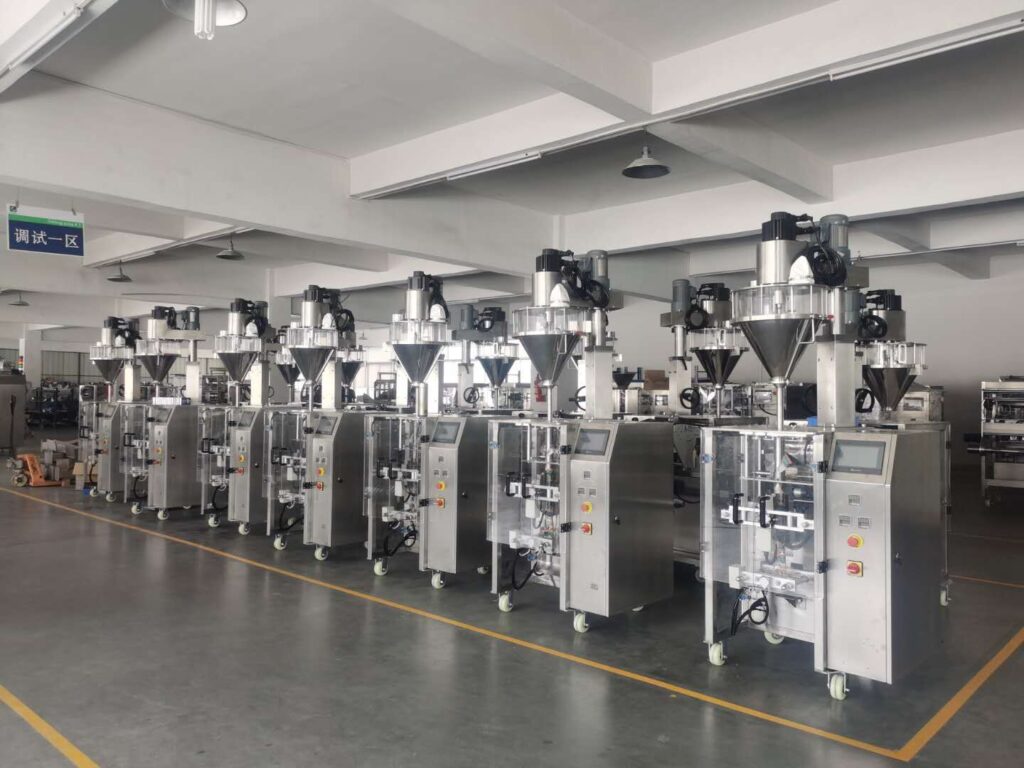
VFFS Machines for Dairy Powder
Vertical form fill seal machines are widely used for dairy powders such as milk powder and whey.
They form the package from roll film, fill it, and seal it in one continuous process. When paired with the right weighing system, they can deliver fast and efficient powder packaging with strong consistency.
If you are packaging dry dairy products, a VFFS machine is often one of the most practical options.
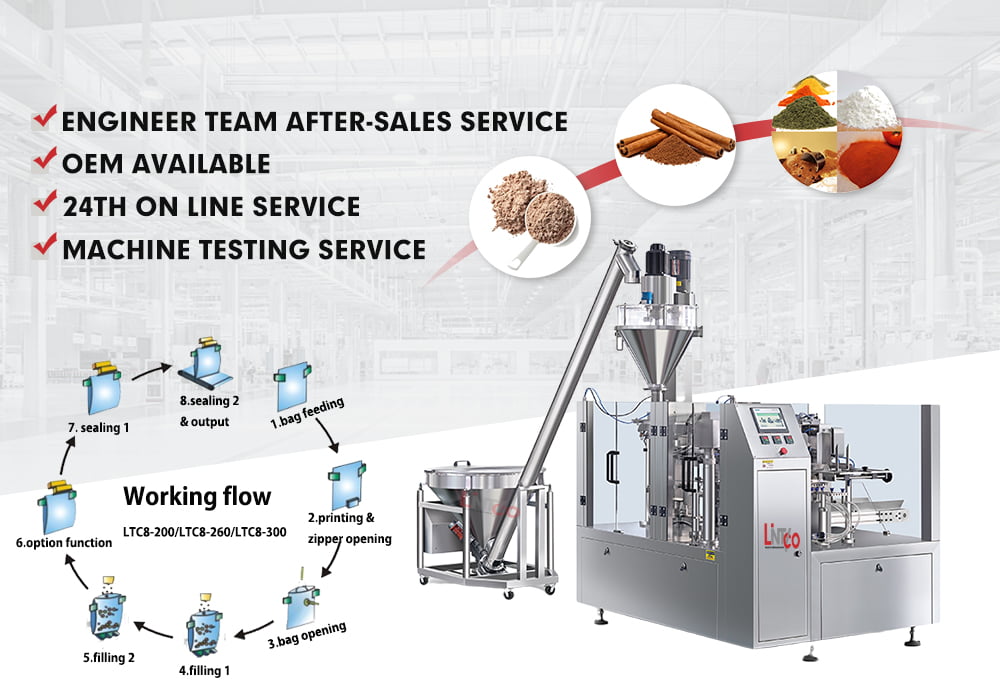
Premade Pouch Packing Machines for Yogurt and Liquids
Premade pouch machines are a strong fit for yogurt, liquid dairy, and other products that benefit from flexible packaging formats.
They work with preformed pouches such as stand-up pouches, spout pouches, and flat pouches. This makes them useful for brands that want convenience, shelf appeal, and improved consumer usability.
A premade pouch packing machine can also support product variety, which is increasingly important as dairy brands introduce smaller SKUs and more convenient formats.
Flow Wrapping Machines for Dairy Snacks
Flow wrapping machines are often used for smaller dairy products such as cheese sticks, butter portions, and dairy snacks.
These machines wrap products quickly and consistently in sealed film. They are a good option when speed, appearance, and individual portion control matter.
If your product falls into this category, a flow wrapping machine can help improve packaging efficiency while maintaining a clean retail presentation.
Cup Filling and Sealing Machines for Yogurt
Cup filling and sealing is one of the most important formats in the yogurt category.
This system fills a cup and seals it with a film lid or foil seal, creating a familiar retail package that many consumers already trust. The main concerns here are fill accuracy, sealing quality, and hygiene control.
For brands focused on yogurt cups, this machine category is often a key part of the production strategy, even if it is not the only machine on the line.
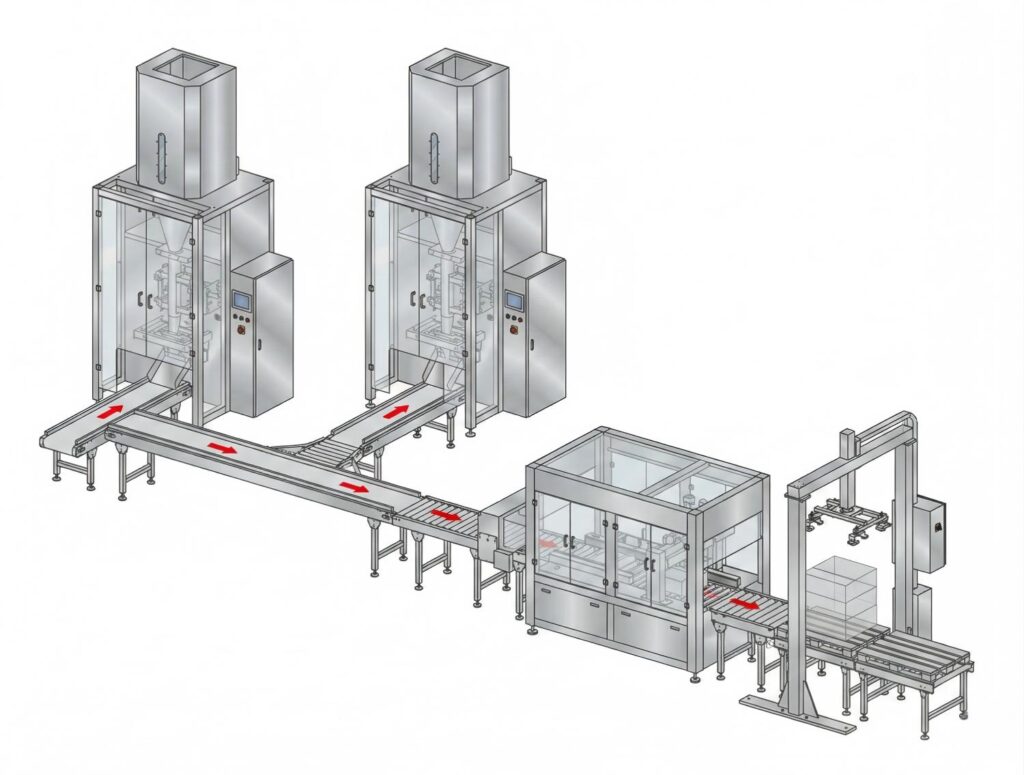
Complete Dairy Packaging Line: From Filling to Cartoning
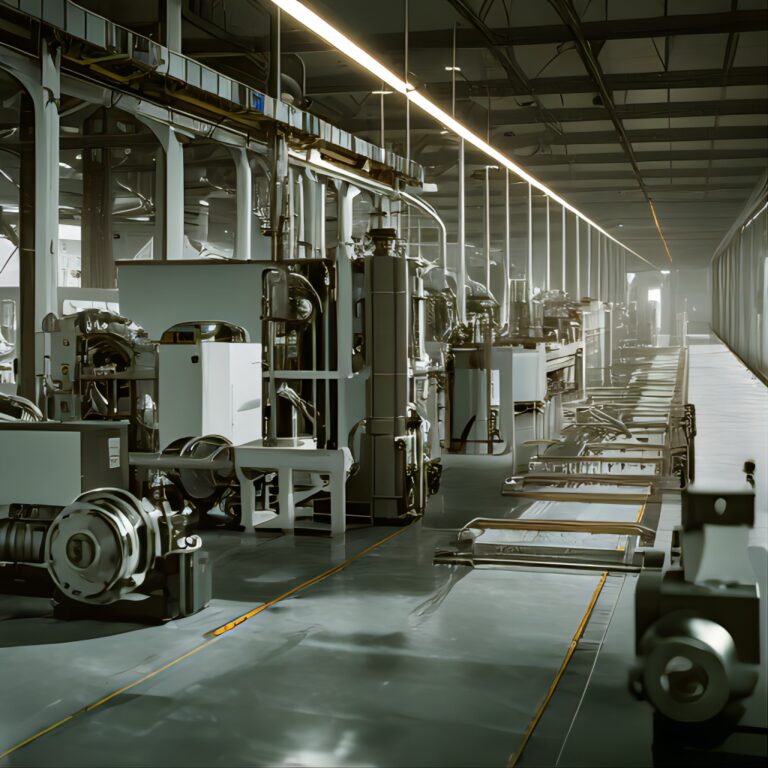
A single machine can solve one step. A complete line solves the full production flow.

A typical dairy packaging line may include:
- Automatic feeding.
- Product filling.
- Sealing.
- Cartoning.
- Case packing.
This is where full-line integration becomes valuable. A cartoning machine can group individual packs into retail cartons, while a case packing machine prepares those cartons for shipping and distribution.
For larger producers, automation across the full line can reduce labor dependence, improve output consistency, and lower the risk of contamination from manual handling.
Key Challenges in Dairy Packaging and How to Solve Them
Dairy packaging has several recurring technical challenges.
Hygiene and Contamination
This is the biggest one.
Dairy products are highly sensitive to microbial contamination, so the packaging equipment must support food-safe operation from start to finish. That means sanitary materials, easy-to-clean surfaces, and a structure that avoids residue buildup.
High-Viscosity Filling
Products like yogurt and cheese spread require precise handling because they do not flow like water. If the filling system is not designed for viscous product behavior, the line may experience dripping, inconsistency, or poor seal quality.
Shelf-Life Protection
Packaging is not just about appearance. It also plays a direct role in shelf life.
If the seal fails or the barrier material is weak, product quality can decline quickly. That is why packaging material choice and sealing performance matter just as much as machine speed.
Cleaning in Place
CIP, or Cleaning in Place, is a major operational factor in dairy plants.
Industry research shows that CIP can account for 10% to 30% of a dairy plant’s water and carbon footprint, which means it has both efficiency and sustainability implications. A well-designed CIP system can reduce downtime, support sanitation, and lower cleaning costs over time.
If you are comparing suppliers, ask whether their equipment supports validated CIP processes and how often the line must be taken apart for cleaning.
Why Choose Lintyco PACK for Dairy Packaging?
Choosing the right partner matters as much as choosing the right machine.
Lintyco PACK is positioned for buyers who want a balance of customization, food-grade design, and practical pricing. Instead of forcing every customer into a standard package, the goal is to build a solution around the product, format, and production target.
Our Advantages
- Custom configurations for different dairy products.
- Integrated line design for filling, sealing, cartoning, and case packing.
- Food-grade construction with hygienic design principles.
- Flexible support for powder, liquid, and semi-solid packaging needs.
Recommended Solutions
- For dairy powders: VFFS machine with a multihead weigher or auger filler.
- For yogurt and liquid dairy: premade pouch packing machine with a suitable liquid dosing system.
- For larger operations: a full line including filling, sealing, cartoning, and case packing.
How to Choose the Right Dairy Packaging Machine
The best machine depends on four practical factors:
| Decision Factor | What to Consider |
|---|---|
| Product type | Liquid, semi-solid, or powder |
| Packaging format | Pouch, cup, bag, stick pack, or carton |
| Production capacity | Units per hour and target automation level |
| Budget and growth plan | Single machine now, or full line expansion later |
A good rule is simple: start with the product, not the machine. Once the product type and packaging format are clear, the right equipment choice becomes much easier.
Build Your Dairy Packaging Line
Get a complete line recommendation tailored to your dairy product.
- ✓ Product type (milk powder, yogurt, cheese, etc.)
- ✓ Production target (bags/min)
- ✓ Packaging format (pouch, sachet, cup)
- ✓ Line layout + equipment recommendation
- ✓ Capacity estimation + ROI
Dairy Packaging Trends in 2026
Three trends are shaping buying decisions this year.
Sustainable Packaging
More buyers and retailers are asking for recyclable materials, reduced plastic use, and packaging formats that support sustainability goals. This is pushing manufacturers to look more closely at film compatibility and material flexibility.
Smart Factory Integration
Packaging lines are becoming more connected. Remote monitoring, data tracking, and predictive maintenance are becoming more common as manufacturers try to improve uptime and reduce waste.
Smaller and More Flexible SKUs
Consumers want more variety, smaller portion sizes, and convenient formats. That means dairy producers need equipment that can handle shorter runs and faster format changes without major downtime.
FAQ About Dairy Packaging Machines
What machines are used in dairy packaging?
Dairy packaging uses VFFS machines, pouch packing machines, cup filling machines, and complete packaging lines including cartoning and case packing systems.
What is the best packaging for yogurt?
The best yogurt packaging depends on the target market. Common formats include cups, spouted pouches, and stick packs, each with different filling and sealing requirements.
How do dairy packaging machines ensure hygiene?
They use food-grade materials, hygienic design, and CIP-capable cleaning systems to reduce contamination risk during production.
Can one machine handle different dairy products?
Yes. Modern packaging machines can often be customized to handle liquids, semi-solids, and powders with different dosing systems and packaging formats.

 English
  Spanish
  Russian
  Korean
  French
  German
  Italian
  Arabic
  Thai
Thai  Chinese
  Vietnamese
  Japanese
  Portuguese
  Dutch
Dutch  Malay
Malay