
If your production line struggles with powder escaping through seals, batches failing weight checks, or operators spending hours on manual changeovers—you’re not alone. Manufacturers across food processing, pharmaceuticals, and industrial chemicals face these common production bottlenecks daily:
- Dust contamination that compromises seal integrity and creates unsafe working conditions
- Inconsistent fill weights that result in regulatory non-compliance and product giveaway
- Low throughput caused by outdated or mismatched equipment
- High labor dependency on manual bagging, making scale-up difficult and costly
- Slow format changeovers that limit your ability to run multiple SKUs efficiently
A modern industrial powder packing solution must deliver three core capabilities: precision filling, effective dust control, and seamless automation integration. This guide covers every critical decision—from analyzing your powder’s physical properties to choosing the right machine type to building a complete line that scales with your business.
What Makes a Complete Industrial Powder Packing Solution?
Planning a powder packaging line? Get a complete line recommendation — from filling to cartoning — in minutes.
Build Your Powder Packaging Line →Many manufacturers mistakenly treat powder packaging as a single-machine problem. In reality, a reliable industrial powder packing solution is an ecosystem of interconnected subsystems—each engineered to handle the unique challenges of powdered materials.
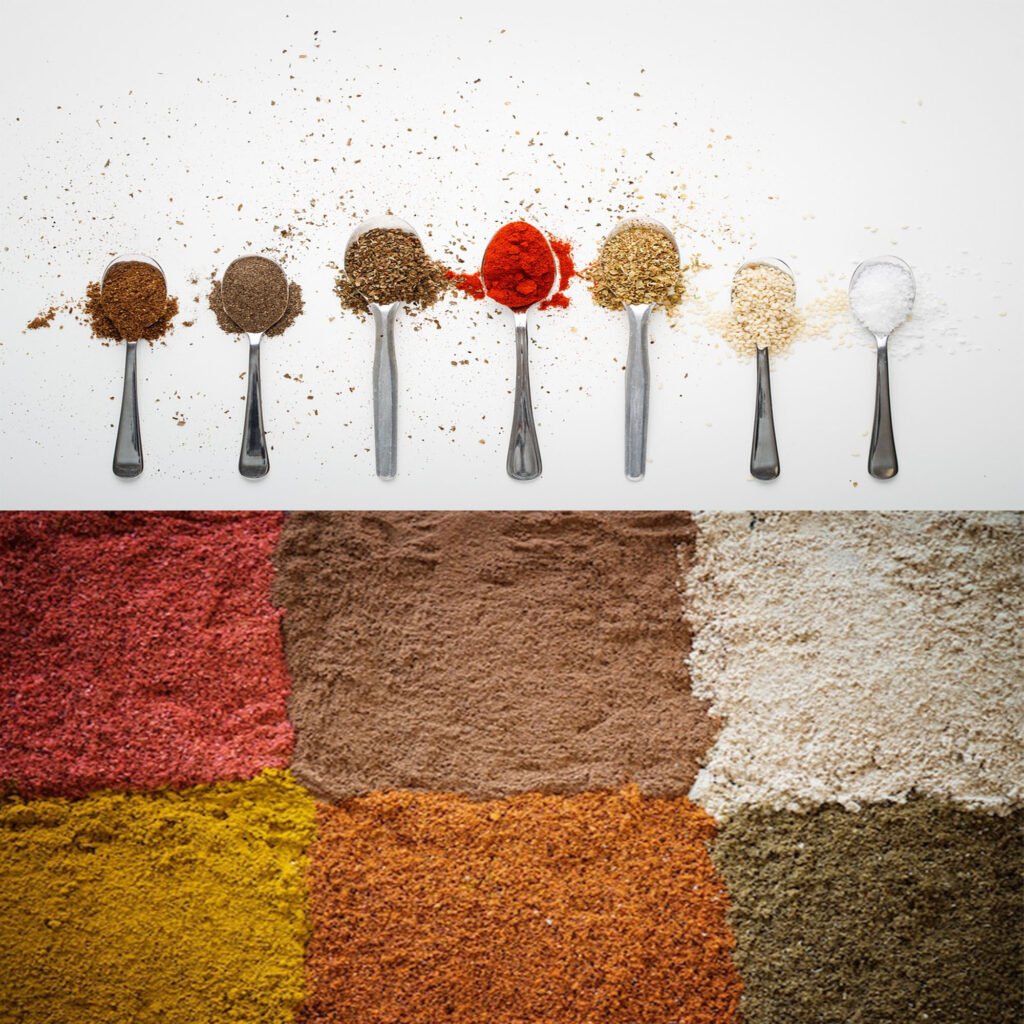
Single Machine vs. Integrated Packaging Line
A standalone powder filling machine handles the dosing and sealing step, but it tells only part of the story. A truly complete packaging line includes upstream powder feeding (via screw elevators or vacuum conveyors), precision auger dosing, inline dust extraction, sealing, and downstream quality inspection — all working in sync.
The difference becomes critical at scale. A single machine running at 60 bags/min can become a bottleneck if upstream feeding is manual or downstream cartoning cannot keep pace. Integrated lines eliminate these gaps by engineering material flow and throughput as a unified system.
For example of how this integration works in practice, Lintyco’s Complete Cacao Powder Packing Solution demonstrates how a fragmented process for one of the most challenging powders — ultra-fine, hygroscopic cacao — was transformed into a fully automated, dust-controlled line.
The Impact of Powder Flowability
Not all powders behave the same way, and this single factor shapes every equipment decision you make. Powder flowability determines how reliably a material moves from your hopper through the auger and into the bag.
Free-flowing powders — such as granulated sugar, coarse salt, or dried rice — move easily under gravity and work well with a wide range of filling mechanisms. Non-free-flowing powders — including flour, cacao powder, whey protein, and fine chemical additives — tend to bridge, arch, or pack unevenly inside hoppers, leading to dosing inconsistencies and dust generation.
The practical implication: a machine specified for free-flowing spice blends will underperform when switched to a cohesive protein powder, even at the same target weight. Choosing equipment rated for your specific powder’s flowability profile is the foundation of any accurate industrial powder packing solution.
What Makes Industrial Powder Packaging Different from Standard Powder Packing?
The term “powder packaging” can describe anything from a kitchen-scale spice jar filler to a 20-ton-per-hour cement bagging line. Industrial powder packaging operates at a different level of complexity — and the gap is defined by five material properties your machinery must be designed to handle.
Bulk density variability is the first challenge. Industrial powders often shift density across batches depending on particle size, moisture, and compaction during transport. A machine calibrated for a bulk density of 0.5 g/cm³ will overfill or underfill when the same product arrives at 0.35 g/cm³ after a long transit.
Hygroscopic behavior poses a secondary risk. Many industrial powders — including milk powder, citric acid, and pharmaceutical excipients — actively absorb moisture from the air. Exposure during open-bag filling can cause clumping, caking at the seal line, and shortened shelf life. Enclosed filling environments and nitrogen purging are standard countermeasures.
Poor flowability (as discussed above) compounds when combined with fine particle sizes, creating air-entrapment issues that cause bags to appear underfilled even when the weight target is met — a common quality complaint in flour and starch packaging.
Dust generation in industrial settings is not just a cleanliness issue. At certain particle concentrations, fine organic or chemical dusts create explosive atmospheres, making ATEX compliance (the European standard for equipment used in potentially explosive environments) a legal and safety requirement for chemical and grain dust applications.
Finally, product degradation risk during filling — particularly relevant in pharmaceuticals and high-value nutraceuticals — demands gentle, low-shear filling mechanisms that preserve particle morphology and active ingredient integrity.
What are The Main Types of Industrial Powder Packing Machines?
Selecting the right machine type is the most consequential equipment decision you will make. The three primary formats each serve a distinct set of production and market needs.
Vertical Form Fill Seal (VFFS) for Fine Powder
The VFFS machine is the workhorse of industrial powder packaging. It forms bags from a continuous roll of flat film, fills them with a measured dose of powder, then seals and cuts them — all in a single continuous motion. With output rates ranging from 40 to 120 bags per minute and the ability to produce pillow bags, stick packs, gusseted bags, and sachets, VFFS lines are the standard choice for high-volume food and chemical powder operations.
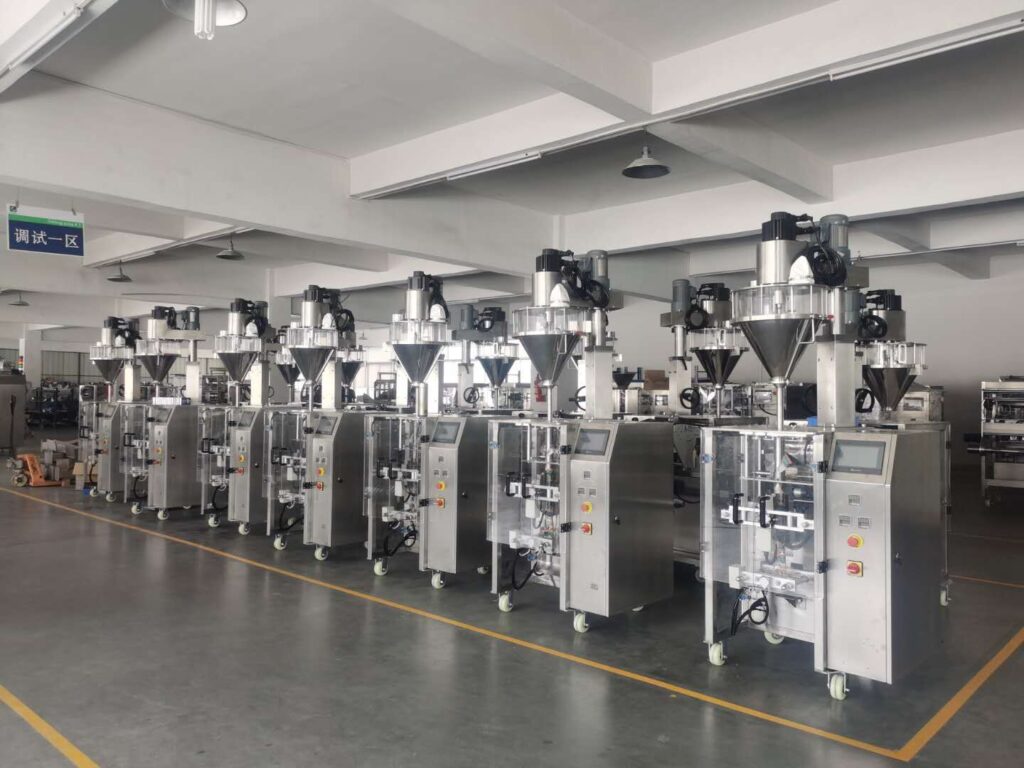
The key performance differentiator in VFFS powder applications is the dosing mechanism. A servo-driven auger filling system integrated directly beneath the VFFS forming tube ensures that fill weights stay consistent even as line speed increases. Lintyco’s vertical packaging machine solution integrates servo-driven auger dosing with an intelligent PLC control system to ensure stable weight accuracy — achieving ≤±0.5% for packages above 100g — even under sustained high-speed production conditions.
Premade Pouch Packing for Premium Powder Products
For manufacturers competing on retail shelf appeal, the premade pouch packaging machine offers a significant advantage. Rather than forming bags from film rolls, these systems accept pre-manufactured pouches — including stand-up pouches with resealable zippers, flat-bottom bags, and premium quad-seal formats — and fill them with precision-dosed powder.

The trade-off vs. VFFS is throughput (typically up to 80 bags per minute) for a dramatic improvement in package presentation and end-consumer experience. Premium protein powders, specialty coffee blends, and high-end nutritional supplements increasingly favor this format for its unboxing quality and retail-ready aesthetics.
Lintyco’s premade pouch packing machine is particularly well-suited for dust-sensitive powders, as the pre-formed pouch structure minimizes open-air exposure during the fill cycle — a practical dust control measure that doesn’t require a separate extraction investment at lower production volumes.
Bulk Bag / Valve Bag Filling System for Heavy-Duty Industrial Powder
For construction, chemical, and agricultural applications where packaging targets are 10–50 kg per bag, neither VFFS nor premade pouch equipment is appropriate. Bulk bag (FIBC) and valve bag filling systems are purpose-built for heavy-duty industrial powders: cement additives, mortar compounds, fertilizers, and industrial-grade detergents.
These systems incorporate automatic weighing platforms, pneumatic compaction to remove air from the filled bag, and dust-tight filling spouts designed to meet industrial hygiene requirements. They represent a natural expansion path for manufacturers who serve both consumer and industrial channels with the same powder product.
Key Technologies Behind a Reliable Industrial Powder Packing Solution
The performance gap between a machine that works and a machine that consistently delivers at industrial scale comes down to five technology components.
Auger Filling System
The auger (screw) filler is the heart of most industrial powder packing solutions. A rotating helical screw conveys a precise volume of powder from the supply hopper into the bag with each rotation. The key engineering variables are screw geometry (pitch and diameter), rotation speed, and the presence of agitator paddles in the hopper to prevent bridging.
Modern auger systems driven by servo motors achieve fill accuracies of ≤±0.5% for packages between 100g and 1,000g — a performance level that directly translates to reduced product giveaway and consistent compliance with net weight labeling regulations.
Dust Extraction & Sealing Control
Dust at the seal line is the single most common cause of seal failure in powder packaging. Even a small amount of powder contamination between the heat seal jaws reduces bond strength and creates micro-leaks that compromise shelf life and product integrity.
Effective dust control requires a layered approach: a dust extraction collar directly below the filling chute captures airborne particles before they can settle on the open bag mouth; a bag-shaking or vibration cycle settles powder below the fill level; and precision seal jaw positioning with controlled temperature and dwell time ensures a clean, airtight heat seal. In environments where dust suppression alone is insufficient, fully enclosed filling zones with negative pressure ventilation provide the highest protection.
Servo-Driven Motion System
Servo motors replace traditional mechanical cam and gearbox systems throughout a modern powder line — controlling film feeding, jaw movement, auger rotation, and conveyor indexing with millisecond-level precision. The result is a machine that can be retimed for different bag formats and fill targets through software adjustments rather than physical tooling changes, dramatically reducing changeover time and extending machine service life.
Explosion-Proof Design (For Chemical Industry)
Any industrial powder packing solution deployed in environments handling organic dusts (flour, starch, sugar), fine metallic powders, or chemical dusts must comply with ATEX Directive 2014/34/EU (Europe) or NEC/NFPA 70 (North America). This requires using explosion-proof motors, sealed electrical enclosures rated for the dust ignition category, anti-static film handling components, and earthing connections throughout the machine frame. Specifying ATEX-compliant equipment is not optional — it is a legal and insurance requirement in most regulated markets.
Automatic Packaging Line Integration
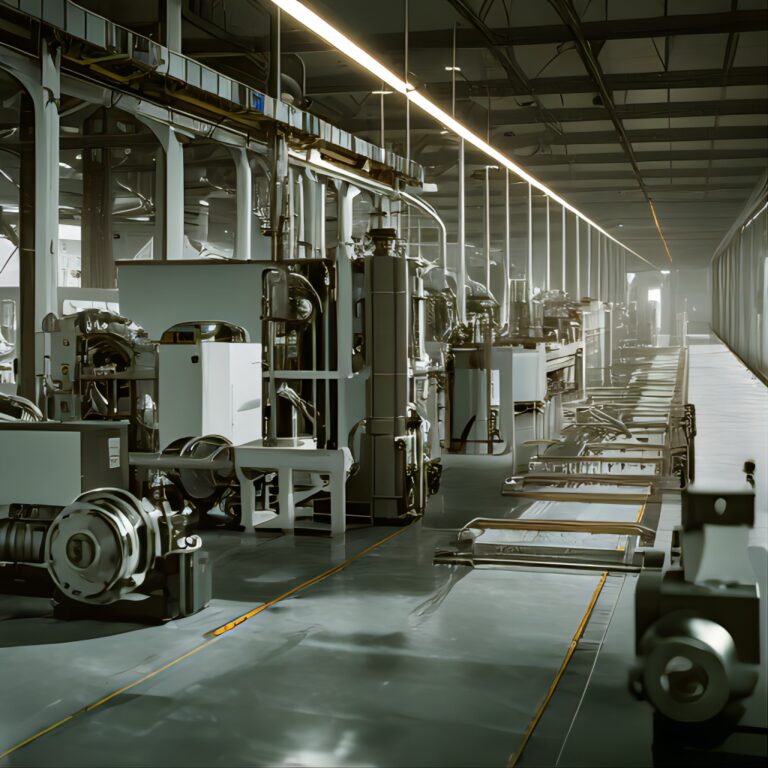
No machine operates in isolation on a high-performance factory floor. A complete automatic industrial powder packaging line typically combines the following modules in sequence:
- Powder feeder & screw elevator — transfers product from ground-level bulk containers to the machine hopper
- Inline metal detector — screens for foreign metallic contamination before filling
- Auger filling + VFFS or pouch packing machine — forms, fills, and seals the primary package
- Check weigher — rejects out-of-tolerance packages automatically
- Cartoning machine — groups filled pouches into retail-ready cartons
- Case packing machine — collates cartons into shipping cases for palletization
Each module communicates with a central line controller, allowing operators to monitor OEE (Overall Equipment Effectiveness) metrics in real time and pinpoint bottlenecks before they impact production targets.
Industry Applications of Industrial Powder Packing Solutions
A well-designed industrial powder packing solution is industry-agnostic by engineering, but application-specific by configuration. Here’s how the requirements differ across the three largest verticals.
Food & Beverage Industry
Food powder packaging accounts for approximately 40% of global market demand, led by milk powder, coffee, spice blends, baking ingredients, and nutritional supplements. Key requirements include food-grade stainless steel (SS304 or SS316) contact surfaces, CIP (Clean-in-Place) compatibility for allergen changeover, modified atmosphere packaging (MAP) capability for oxidation-sensitive products, and moisture-barrier film materials.
Accuracy standards in food are tightly regulated by regional weights-and-measures authorities. A filling accuracy of ≤±1% is the minimum acceptable standard; premium applications targeting ≤±0.5% protect both consumer trust and margin.
Chemical Industry
Chemical powder packaging — covering detergents, agricultural chemicals, pigments, and industrial additives — places the greatest demands on material compatibility and safety. Equipment must be built from corrosion-resistant materials where acidic or alkaline powders are involved, incorporate ATEX-compliant electrical components for combustible dust environments, and provide sealed, contained filling to protect operators and meet workplace safety regulations.
For manufacturers producing high-volume detergent powders, Lintyco’s automatic detergent powder packing machine offers a purpose-built solution: corrosion-resistant construction, high-capacity hoppers, and dust-controlled filling in large-format bags from 500g up to 5kg.
Construction & Industrial Minerals
Cement additives, dry mortar compounds, tile adhesives, and mineral fillers represent the bulk bag packaging segment. Products are typically abrasive, heavy, and packaged at weights between 10 and 50 kg. Equipment in this category must be built for durability, with heavy-gauge steel frames, wear-resistant auger and contact components, and automatic pallet-level filling controls that protect operator backs and maintain output consistency over multi-shift operation.
How to Choose the Right Industrial Powder Packaging Machine
With the market offering hundreds of configurations, narrowing your specification requires a structured evaluation framework. Work through these five criteria in sequence.
1. Output requirement (bags per hour). Define your current production target and your 3-year growth projection. A machine sized only for today’s volume may require replacement before its ROI is recovered. Build in 20–30% headroom.
2. Powder characteristics. Run your product through a basic flowability assessment (angle of repose, bulk density, and particle size distribution). Share these results with your machine supplier before requesting a quotation — they are the single most important variable in equipment selection.
3. Bag format and fill range. Identify all SKUs you need to run on the same line. A VFFS machine handles the widest range of pillow and gusseted formats; a premade pouch machine is required for stand-up and zipper pouches; bulk bag systems serve 10 kg+ applications.
4. Automation level. Semi-automatic systems (where operators manually place bags) offer a lower entry cost but create labor dependency and throughput limits. Fully automatic lines eliminate operator touchpoints from filling through inspection, delivering the labor savings (typically 60–80% reduction) that justify the capital investment.
5. Budget vs. ROI timeline. Don’t optimize for the lowest purchase price. Calculate total cost of ownership: machine cost, installation, annual maintenance, energy, and projected labor savings. Most automated industrial powder packaging lines return their investment within 12–24 months through labor reduction and reduced product giveaway alone.
Lintyco delivers European-grade engineering standards — servo motion control, PLC-based HMI with 100 product memory slots, cGMP-compliant hygienic design — while maintaining competitive mid-range pricing, making it the natural choice for growing manufacturers who need performance without the overhead of a premium European brand.
Complete Industrial Powder Packaging Line
Understanding how all the components connect helps you plan your factory floor space and budget more accurately. A standard automatic industrial powder packaging line flows as follows:
Raw Material Storage → Screw Elevator / Vacuum Conveyor → Surge Hopper → Auger Dosing Unit → VFFS or Premade Pouch Machine → Inline Metal Detector → Check Weigher → Reject Station → Cartoning Machine → Case Packer → Palletizer
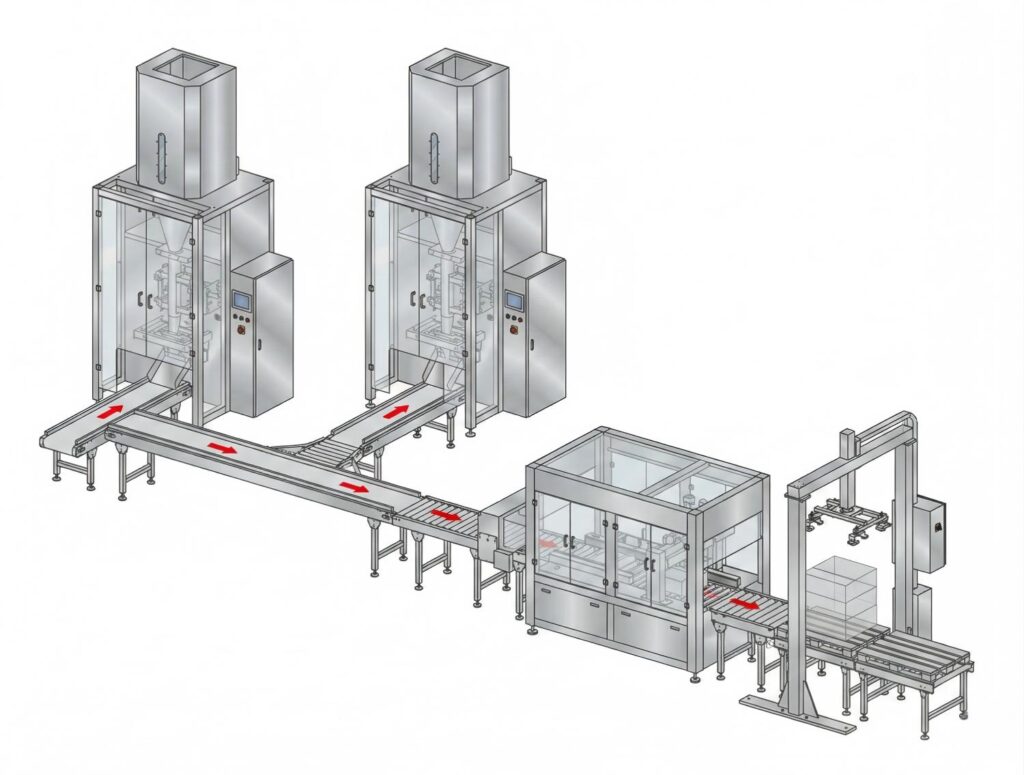
In practice, the physical footprint of a complete line ranges from approximately 15 meters (a compact VFFS + check weigher + basic cartoning configuration) to 40+ meters for a fully integrated line including palletizing and stretch wrapping.
Key layout considerations include:
- Ceiling height: Screw elevators for top-fill hoppers often require 4–5 meters of vertical clearance
- Cleanroom zoning: Pharmaceutical and high-care food applications may require physical separation between filling and packing areas
- Service access: Ensure 800mm minimum clearance on all machine sides for maintenance and CIP procedures
- Utility connections: Map compressed air (6 bar minimum), three-phase power, and extraction ducting routes before finalizing machine positions
Lintyco’s engineering team provides complimentary factory layout drawings with every project inquiry — a practical starting point that maps equipment footprints, utility requirements, and operator walkways before any purchase commitment is made.
Why Choose Lintyco as Your Industrial Powder Packing Solution Provider?
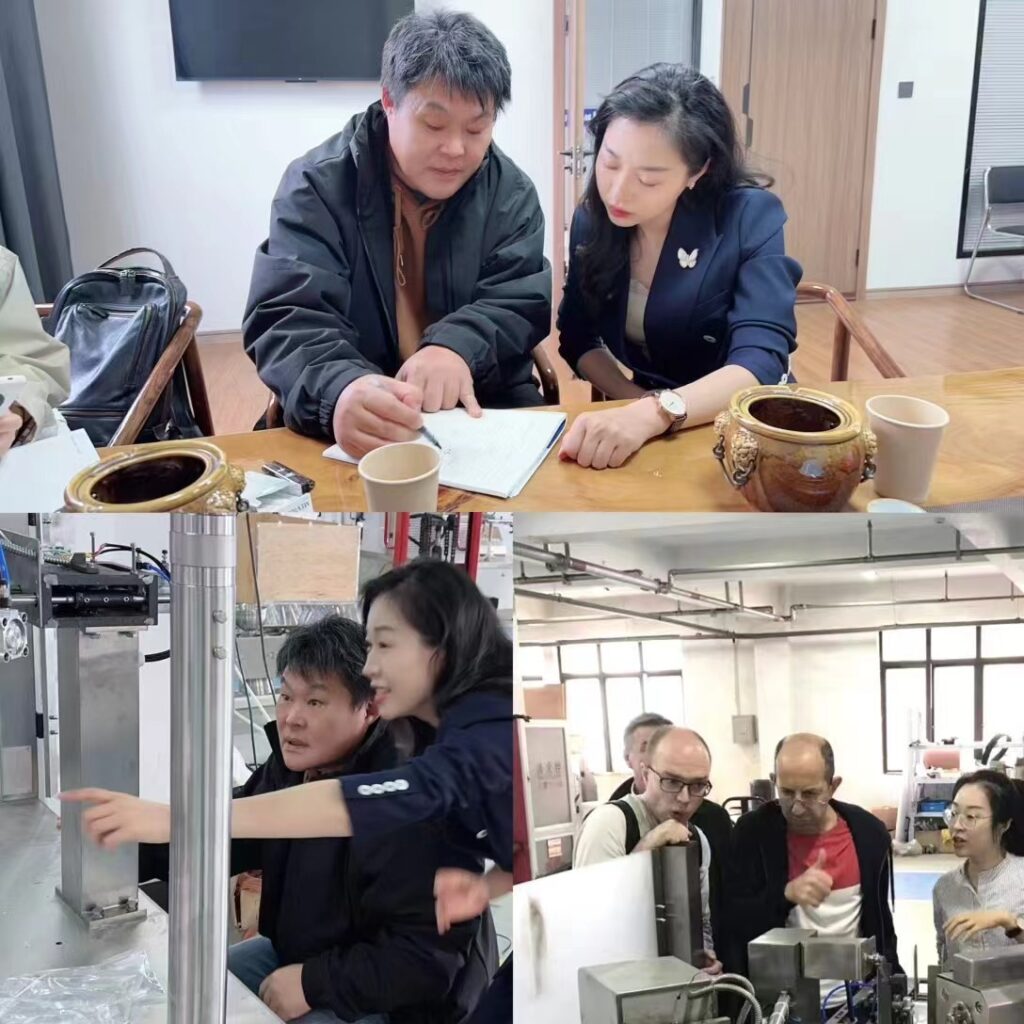
Selecting a long-term packaging equipment partner involves more than comparing machine specifications. It requires confidence that your supplier will still be responsive after installation — when a bearing fails at 2am on a Friday before your biggest shipment of the year.
Lintyco’s value proposition is built on five commitments that matter at the factory floor level:
✔ Customized design — Every project begins with a detailed powder characterization and production requirement review. No standard catalog is imposed; configurations are built around your specific product, bag format, and throughput.
✔ Modular expansion — Machines are designed with standardized interface protocols so that additional modules (check weigher, metal detector, cartoning arm) can be added as your volumes grow — without replacing the core filling system.
✔ CE compliance — All Lintyco equipment ships with CE certification and full electrical safety documentation, meeting EU market entry requirements for European customers and serving as a quality benchmark for all other markets.
✔ Global installation & commissioning — Lintyco’s field engineering team has completed installations across Europe, Southeast Asia, the Middle East, and the Americas. Remote FAT (Factory Acceptance Testing) and on-site commissioning support are included as standard.
✔ Comprehensive technical support — A 1-year warranty, spare parts inventory management, operator training programs, and a dedicated after-sales engineering contact ensure that your line performs at specification from day one and beyond.
Explore the full range of Lintyco powder packaging solutions — including specialized lines for food, pharmaceutical, and chemical applications — at Powder Packing Solution.
Build Your Powder Packaging Line
Get a personalized recommendation tailored to your product and production target.
- ✓ Product type and packaging format
- ✓ Production target (bags/min)
- ✓ Line layout + equipment recommendation
- ✓ Capacity estimation + ROI
Frequently Asked Questions About Industry Powder Packaging
What is the best machine for industrial powder packaging?
There is no single “best” machine — the right choice depends on your powder’s flowability, your target bag format, and your required output rate. For most food and nutraceutical applications at 40–120 bags/min, a servo-driven VFFS with auger dosing is the most efficient and cost-effective solution. For premium retail formats requiring stand-up pouches or zipper bags, a premade pouch system is the right platform. For heavy industrial powders above 10 kg per bag, a dedicated bulk bag filling system is required.
How do I control dust in a powder packing line?
Effective dust control requires a multi-layer approach: a fully enclosed filling chute with a dust extraction collar captures airborne particles at the source; a bag-shaking or vibration settling cycle moves powder below the seal zone; and precisely timed seal jaw pressure ensures the bag mouth is clean before heat bonding. For extremely fine or hazardous powders, fully enclosed filling stations with negative-pressure ventilation provide the highest level of dust containment and operator safety.
What filling accuracy can modern powder packaging machines achieve?
Industrial-grade auger filling systems routinely achieve ≤±0.5% for packages between 100g and 1,000g, and ≤±1% for packages under 100g. These performance levels satisfy the net weight labeling requirements of most major markets, including the EU (Directive 76/211/EEC) and US (NIST Handbook 133). Actual in-production accuracy depends on powder consistency, machine calibration frequency, and ambient humidity control.
Is explosion-proof design necessary for my powder packing line?
If your operation handles any of the following, ATEX or equivalent explosion-proof certification is required: wheat flour, corn starch, sugar, or any fine organic powder with a minimum ignition energy (MIE) below 100 mJ; chemical powders classified as flammable solids, or any environment where dust concentrations could reach the Lower Explosive Limit (LEL). When in doubt, request a dust explosion risk assessment (per EN 1127-1) before finalizing your equipment specification.
Ready to evaluate an industrial powder packing solution tailored to your production needs? Contact Lintyco’s engineering team for a free powder assessment, factory layout drawing, and ROI calculation.

 English
  Spanish
  Russian
  Korean
  French
  German
  Italian
  Arabic
  Thai
Thai  Chinese
  Vietnamese
  Japanese
  Portuguese
  Dutch
Dutch  Malay
Malay