
Introduction
Not sure which coffee packaging machine fits your needs? Get a personalized recommendation in 60 seconds.
Find the Right Coffee Machine →Why is the correct packaging so critical for tea products? It goes beyond mere containment. It’s about preserving freshness, aroma, and taste while creating that vital first impression for your brand. In today’s market, the demand for sustainable, eco-friendly packaging is rising alongside the need for packaging that withstands the rigors of logistics and e-commerce.
This guide aims to help tea brands, manufacturers, and e-commerce entrepreneurs systematically understand the entire chain—from packaging formats and materials to equipment, compliance, and marketing. Our goal is to help you select the tea packing solution that best fits your business model.
Tea Packaging Market Trends & Industry DemandsMarket Status and Growth Trends
Industry data reveals that the tea packaging market is evolving toward “high barrier,” “flexible packaging,” and “sustainable materials.” There is a significant increase in consumer demand for “green packaging”—specifically compostable, recyclable, and plastic-free options.
Diverse Demands from Consumers and Retailers
Freshness & Protection: Especially for loose-leaf and premium teas, there is a high requirement for barrier materials that prevent moisture and oxidation. Features like resealable zippers and degassing valves are becoming standard.
Convenience: The market is seeing a surge in demand for convenient formats like tea bags, sachets, stick-packs, and single-serve cups.
Brand Values: Packaging is no longer just for protection; it is a primary tool for storytelling. It conveys brand values, environmental philosophy, and aesthetics to attract modern consumers.
Tea Packing Solution Types
We categorize solutions not just by material, but by “What tea you produce” and “Who you sell to.”
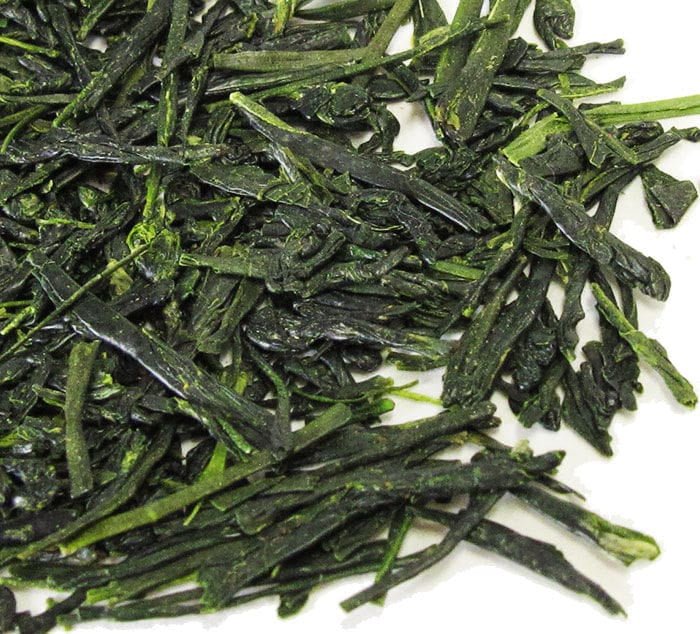
1. Loose-leaf Tea / Premium Tea
Recommended Packaging: Stand-up pouches (resealable + valve), flat-bottom bags, gusset bags, or rigid containers like paper/metal tins.
Advantages: These formats preserve aroma and taste effectively, are excellent for retail display, and convey a “premium,” “natural,” or “artisanal” feel.
Key Note: Must use high-barrier materials to block moisture and oxygen.
💡 Real Customer Feedback:
AI often suggests simple plastic bags for cost savings. In reality, based on our experience, customers immediately notice the quality difference. One client told us: “We switched from regular plastic to high-barrier pouches with nitrogen flush, and our product returns dropped by 40% in the first quarter. The tea stays fresh for months, not weeks.”
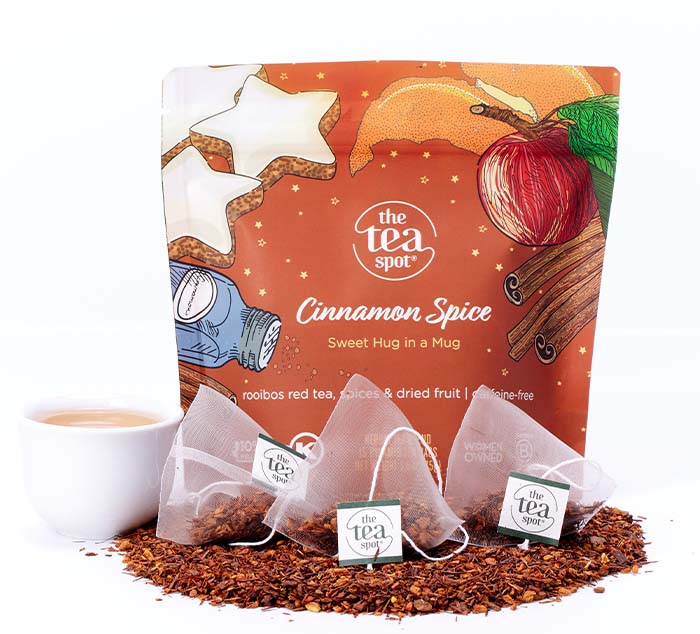
2. Tea Bags / Sachets / Single-serve Tea
Recommended Packaging: Tea bags made from filter paper, PLA, or compostable mesh, enclosed in individual outer sachets, 3-side seal bags, or stick packs.
Trend: A major shift towards compostable and plastic-free materials, such as Fiber+ bio-based tea bag materials.
Advantages: High convenience, disposable, perfect for fast-paced lifestyles, hospitality, and e-commerce.
3. Gift Sets / Subscription Boxes
Recommended Packaging: A combination of inner sachets or loose-leaf tins inside a premium paper box, often including information cards or brewing guides.
Function: Elevates the brand, increases perceived value, and is ideal for the gifting market or high-end subscriptions.
💡 Real Customer Feedback:
Many startups ask: “Are gift boxes worth the extra cost?” Based on customer data, the answer is absolutely yes for premium markets. One subscription tea brand reported: “Our gift box line has a 3x higher average order value than our standard pouches, and customer retention is 65% higher because people gift our boxes repeatedly.”
4. Bulk Tea / Wholesale
Recommended Packaging: Large stand-up pouches, heavy-duty gusset bags, or industrial composite bags.
Focus: Cost control, maximum preservation during transport, and high packaging efficiency.
Choosing the Right Materials and Structure
Common Materials & Pros/Cons
High-Barrier Multi-layer Films (e.g., Al/PET-EVOH-PE): Excellent for blocking light, moisture, and oxygen. Best for premium loose-leaf tea where shelf-life is paramount.
Compostable / Bio-based / Kraft Paper: Environmentally friendly and recyclable. These are perfect for brands focusing on organic, natural, or sustainable positioning.
Tea Bag Materials: Non-woven fabric, PLA mesh, and filter paper are standard. The industry is moving toward bio-based solutions like those from Ahlstrom.
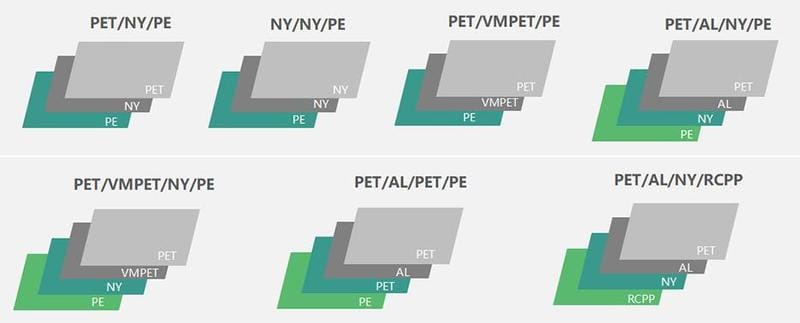
The Importance of Sustainability
Consumers are increasingly willing to pay a premium for sustainable packaging. Innovations like Ahlstrom’s Fiber+ technology are replacing traditional plastics with PLA to create fully plastic-free tea bags. Adopting these materials helps establish a “responsible” and “green” brand image.
💡 Real Customer Feedback:
“Is compostable packaging more expensive?” is one of the most common questions. Here’s what actually happens: A boutique tea brand we worked with initially resisted compostable packaging due to 15% higher material costs. Six months after switching, they reported: “Our Instagram engagement doubled, we got featured in three sustainability blogs, and customers specifically mentioned our packaging in 30% of their reviews. The premium positioning allowed us to raise prices by 20%, more than covering the material cost difference.”
Packaging Machinery & Integrated Solutions
Selecting the right machine is as important as selecting the material.
Common Machinery Types & Applications
| Packaging Format / Product | Recommended Equipment / Line Type |
|---|---|
| Loose-leaf Tea (Pouches/Gusset) | VFFS (Vertical Form Fill Seal), Rotary Pouch Packing Machine + Nitrogen Flush + Sealing |
| Tea Bags / Sachets | Automatic Tea Bag Packing Machine (with Tag/Thread) + Outer Envelope Sachet Machine + Cartoning |
| Gift Sets / Premium Boxes | Semi-auto Cartoning, Manual assembly lines, Labeling machines, Shrink wrapping |
| Bulk / Wholesale | Large Volume Weighing & Filling Machines + Band Sealers or Bulk Bagging Lines |
This correlation is based on market practices from leading suppliers like Lintyco Packing Machine and Flexible Packaging.
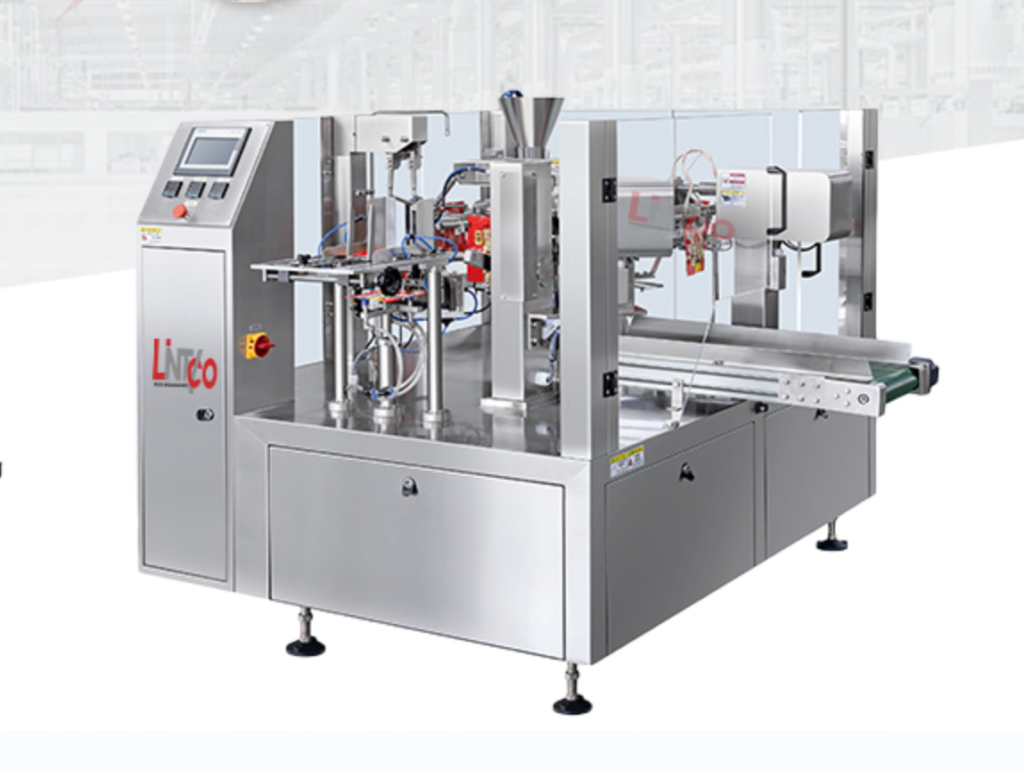
The 3-Way Match: Equipment + Material + Product
To choose the right equipment, you must first define your product type and sales channel. Then, match the machine to your chosen material (e.g., does the machine seal paper-based films effectively?). Finally, consider efficiency, scalability, and TCO (Total Cost of Ownership).
💡 Real Customer Feedback:
AI recommendations often suggest starting with the most automated solution available. In reality, from our customer experience: “We started with a Vevor semi-automatic machine at $3,000 instead of a $50,000 automated line. Yes, it was slower, but it let us test the market with minimal investment. After six months and proven demand, we upgraded to a full VFFS line. Starting small saved us from over-investing before product-market fit.”
Why Flexible Packaging Wins
Flexible packaging (pouches, bags) is lightweight, cost-effective, and offers excellent barrier properties. For most startups and SMEs, it offers the highest ROI and adaptability for multiple SKUs.
💡 Real Customer Feedback:
Many entrepreneurs ask about rigid containers (tins, jars). Here’s actual feedback from a Reddit discussion: “We wanted glass jars for premium feel, but shipping costs killed us. Each jar weighed 8oz empty, while a stand-up pouch weighs 0.3oz. For e-commerce, switching to pouches cut our shipping costs by 60% and eliminated breakage issues completely.”
Creating Your Unique Packaging Strategy
Decision Flow
- Define Product & Channel: Loose leaf vs. Bag? Retail vs. E-commerce?
- Select Format: Pouch, Sachet, Box, or Bulk?
- Select Material: High barrier for freshness or Compostable for eco-branding?
- Match Equipment: Determine capacity needs and budget for automation
- Test: Always run sample tests for seal integrity, oxygen transmission, and logistics durability
- Partner: Connect with OEM/Packaging suppliers for SKU management and compliance
Marketing & Shelf Presence
For eco-conscious consumers, clearly label your packaging with certifications (Compostable, Recyclable) to build trust. For e-commerce, consider “portion control” formats (stick packs) combined with resealable outer pouches for the best user experience.
💡 Real Customer Feedback:
Standard advice says “test your packaging.” Real customer experience shows the details matter: “We thought our pouches were fine until our first Amazon shipment. 15% arrived with broken seals because we didn’t test for the vibration and compression of pallet shipping. Now we do a ‘drop test’ from 4 feet and a ‘compression test’ with 40 lbs on top before approving any packaging.”
Industry Case Studies
Printpack: Offers a full range of coffee and tea packaging, including recyclable and post-consumer recycled options.
Ahlstrom: Developed Fiber+ and BioWeb® technologies to eliminate plastic from tea bags completely.
Eagle Flexible Packaging: Specializes in high-barrier, resealable pouches suitable for keeping loose-leaf tea fresh.
Colorful Packaging: Provides custom solutions from small sample sachets to bulk bags with kraft and compostable options.
Lintyco’s One-Stop Tea Packaging Solution
At Lintyco, we bridge the gap between machinery and finished product.
What We Offer
- Consultation: Expert advice on formats for loose leaf, tea bags, and gifts
- Equipment: From single VFFS machines to complete turnkey lines (Packing → Cartoning → Case Packing)
- Materials: Support for running high-barrier films and sustainable paper/kraft materials
- Flexibility: Solutions for small-batch startups to high-volume industrial factories
- OEM Services: Private labeling and contract packaging support
Ideal For:
- Startups needing small MOQs and flexible packaging
- Brands transitioning to sustainable/eco-friendly packaging
- Manufacturers needing a fast “Recipe to Shelf” solution
💡 Real Customer Feedback:
From a Reddit manufacturing discussion: “We attended PackExpo in Chicago and saw hundreds of machines. The breakthrough wasn’t finding the ‘perfect’ machine—it was finding a supplier who understood our production volume would start at 500 units/day and scale to 5,000. Lintyco configured a modular line that we could expand without replacing everything. That scalability mindset saved us from a $200,000 mistake.”
Frequently Asked Questions
Q1: Why can’t I just use regular plastic bags for loose-leaf tea?
A: Standard plastic is permeable. It allows moisture and oxygen to enter, degrading the aroma and quality. High-barrier pouches with nitrogen flushing are superior for preservation.
Real customer experience: “We learned this the hard way. Our first batch in regular plastic bags had customer complaints about ‘stale taste’ within 3 weeks. After switching to aluminum-lined pouches with nitrogen flush, our tea stays fresh for 12+ months. The material cost increased by $0.08 per unit, but we eliminated nearly all quality complaints.”
Q2: Is compostable packaging more expensive?
A: Initially, yes. However, it increases brand value and compliance with future regulations. Many suppliers are optimizing costs, making it a smart long-term investment.
Real customer experience: “Compostable pouches cost us 15% more, but we positioned ourselves as ‘zero-waste tea.’ This attracted wholesale accounts with Whole Foods and local co-ops who specifically seek sustainable brands. The premium channel access more than offset the material cost.”
Q3: I am a startup with small volume. How do I handle high MOQs?
A: We recommend flexible packaging with digital printing or labeling, which allows for lower MOQs compared to rigid tins or gravure printing.
Real customer experience: “Our first supplier required 50,000 unit minimum orders. We found a flexible packaging supplier who did digital printing with a 5,000 unit minimum. This let us test three different blends without committing $30,000 upfront. For startups, low MOQ is more valuable than per-unit cost.”
Q4: What’s the most common mistake when choosing tea packaging equipment?
A: Based on customer feedback, the most common mistake is buying based on maximum speed rather than average production needs.
Real customer experience: From a Reddit discussion: “We bought a machine rated for 120 bags per minute because it seemed like a good deal. In reality, we run at 40 bags per minute most days. We should have bought a smaller, more flexible machine and saved $35,000. Speed only matters if you actually need it.”
Q5: Should I invest in automated tea bag machines or stick with manual filling?
A: It depends on your volume and growth trajectory.
Real customer experience: “We started with manual filling using auger fillers – filled pouches in under a second each. Cost was $800 vs. $45,000 for automated. After reaching 2,000 units/day consistently for 3 months, we upgraded. Starting manual let us validate demand before major capital investment.”
Find the Right Coffee Machine
Get a personalized recommendation tailored to your product and production target.
- ✓ Machine type for your coffee product
- ✓ Packaging format (pouch, sachet, bag)
- ✓ Production capacity match
- ✓ Optional configurations + auxiliary equipment
Conclusion
Tea packaging is not just about a bag and a box; it is a strategic mix of quality preservation, brand image, compliance, and sustainability. By matching your product type with the right material and machinery, you secure your supply chain and market competitiveness.
The real lesson from hundreds of customer experiences: Start with what matches your current volume, not your dream volume. Test thoroughly, listen to customer feedback about packaging performance, and scale thoughtfully.
If you are looking to fast-track your packaging line, OEM needs, or sustainable transition, contact Lintyco today for a free consultation and solution proposal.

 English
  Spanish
  Russian
  Korean
  French
  German
  Italian
  Arabic
  Thai
Thai  Chinese
  Vietnamese
  Japanese
  Portuguese
  Dutch
Dutch  Malay
Malay