
Think about the magic of home cooking. That distinct aroma, that specific taste—it’s often a secret held in the precise blend of spices. But as our lives accelerate, consumers are demanding that magic be convenient. They are reaching for pre-mixed spice packets to simplify their culinary lives.

This demand from kitchens everywhere is reshaping the entire supply chain. Consumers are, in effect, asking to “find better Spices packing solution”—one that fiercely protects flavor while offering effortless use. This makes efficient, intelligent packaging paramount, for both whole spices and fine powders.
According to a recent spice market analysis, the global market for spice and extract packaging is set to hit $16.69 billion by 2025, growing at a 6.64% CAGR. This isn’t just a market trend; it’s a fundamental shift in our relationship with food, prioritizing both convenience and freshness.
The world of spice packaging now extends far beyond the traditional glass jar. From stand-up pouches and pre-made bags to sophisticated Vertical Form-Fill-Seal (VFFS) systems, the options are vast. Whether you are an artisanal producer or a large-scale industrial brand, Lintyco has guided over 50 spice companies in designing their lines and helped launch over 100 more. We understand how to build the line that fits your business.
Once a spice is ground, its entire nature changes. Its properties, its flowability, and its vulnerability all shift. The bulk density of a powder (how fluffy or dense it is) dictates the entire packaging process. Coriander, for instance, is far less dense than turmeric, and your machinery must be smart enough to handle both.
Let’s be clear: in the spice business, packaging is the product. Its function is far more than simple protection. Spices are fragile. They are in a constant battle against their enemies: humidity, light, and oxygen, all of which conspire to steal flavor and potency.
The moment a spice is packaged, its clock starts ticking. The right packaging—the right material, the right seal—can dramatically slow that clock. It isn’t just a container; it’s a fortress. This guide from Lintyco is designed to help you navigate the types, machinery, and regulatory hurdles to make the smartest possible business decisions.
The Type of a Spice Packaging design
Planning a powder packaging line? Get a complete line recommendation — from filling to cartoning — in minutes.
Build Your Powder Packaging Line →There are few type of spice packaging design,include flexible pouches, cups, bottle, cartons, case and tray shrink wrap.
Flexible Pouches and Stand-Up Bags
This is the current champion of the retail shelf, and for good reason. Flexible pouches masterfully combine protection, consumer convenience, and branding flexibility. Unlike rigid containers, they can be rapidly customized for small-batch premium spices or high-volume seasonings.

The stand-up pouch, in particular, acts as its own billboard on the shelf. But its real magic lies in the resealable zipper. That simple zip is a promise to the customer: “Your flavor is safe.” This builds trust and, critically, drives repeat purchases. From a procurement standpoint, their lightweight nature slashes shipping costs, and high-barrier films can offer protection rivaling glass with a fraction of the storage footprint.
A Purchaser’s Memo: Consumers don’t just like resealability; they expect it. A poor-quality zipper that breaks is worse than no zipper at all. Prioritizing a high-quality seal is a direct investment in brand loyalty.
Cups, Bottles, Tins, and Cartons
Don’t count out the classics. These rigid containers still play a vital role. Glass jars, for example, are a statement. They offer a premium, crystal-clear display—a visual contract of quality. When a consumer sees whole peppercorns or vibrant saffron threads, that transparency builds instant trust. However, their weight and fragility are a significant challenge for logistics and e-commerce.

Metal tins offer unrivaled protection and a nostalgic, premium feel. They are a complete fortress against light and air, preserving potency for years. For B2B and food service, plastic tubs and paper-based cartons (like sealed paper tubes) offer a blend of cost-effectiveness and durability. The push for sustainability is also making paper-based options, once a niche, an increasingly smart choice.
Form Cases, Trays, and Retail-Ready Packaging (RRP)
For your wholesale and retail partners, this is where the real efficiency lies. Retail-Ready Packaging (RRP) is designed to go straight from a shipping pallet to the store shelf, eliminating the labor-intensive process of unpacking individual items.
This isn’t just a convenience for the retailer; it’s a strategic advantage for you. It reduces handling, which means less product damage. It ensures your product is displayed correctly. For a procurement professional, choosing an RRP-friendly design improves your relationships with retail partners and boosts the efficiency of your entire supply chain.
Palletizing Shipping Cases
This is the unsung hero of logistics. An efficient, standardized pallet configuration is the key to optimizing your warehouse, streamlining loading, and cutting freight costs. Modern automated systems link your packaging line directly to the palletizer, creating a seamless flow from product to truck.
Closing Cases and Cartons
How a box is sealed—be it with heat, adhesive, or mechanical locks—is a critical checkpoint for product safety and consumer confidence. A weak seal can lead to contamination or damage; a proper seal is the final guarantee that the product arrives as you intended.
Tray Shrink Wrap for Rigid Products
For rigid items like glass jars, shrink wrap is the final layer of armor and marketing. It bundles multi-packs for promotions, adds a tamper-evident layer, and keeps units clean and stable during transit.
The Spice Packaging Choice: Pouch Machine vs. VFFS Machine
Recommended Models: A Strategic Decision
The choice between Pouch and VFFS isn’t just technical; it’s philosophical. Are you a high-volume brand competing on accessibility, or a craft brand competing on experience?
For medium-to-large producers who need speed and consistency, a modern VFFS system offers incredible value. For brands that require high-end aesthetics, specialized shapes, or flawless zipper application, a pre-made pouch machine is the clear winner. The initial investment may be higher, but the final product presentation often justifies it.
A cost-benefit analysis will show that automation, in either form, typically pays for itself within 3-5 years. It does this by slashing labor costs, minimizing product waste, and maximizing throughput.
From the Field: An Engineer’s Advice: Don’t just buy for today. Buy for 18 months from now. One of the costliest mistakes we see is a company buying a machine that meets their current demand perfectly. Six months later, a new retail contract swamps them, and they’re already facing a production bottleneck. A common recommendation is to “plan for next year’s growth.” Choose a machine that runs comfortably at 70% capacity for your current needs. That 30% headroom is your freedom to grow without the high cost of a second, premature upgrade.
The Case for Pouch Packaging: The ‘Premium & Flexible’ Route
Automatic pouch packing machines represent a leap in presentation and quality. These machines are designed to handle premade pouches, filling and sealing them with precision, typically at a rate of one every 1-2 seconds.

Their core advantage is precision and consistency. Because the pouches are factory-made, the seals, zippers, and presentation are flawless. This is the route for premium brands where shelf appeal is paramount. Equipped with high-accuracy metering systems, they ensure every pouch has the exact amount specified, protecting your margins and satisfying your customers. Optional gas flushing can further extend shelf life, creating a “freshness-lock” inside the bag. This flexibility allows a brand to quickly pivot its packaging design without retooling the entire line.
The Case for VFFS: The ‘Efficiency & Volume’ Powerhouse
Vertical Form-Fill-Seal (VFFS) is the workhorse of high-volume production. This machine offers a different, often more economical approach. It creates the pouch from a continuous roll of film at the same time as it fills and seals it. A VFFS line can run at an incredible 300 stick pouches per minute, offering unmatched efficiency.
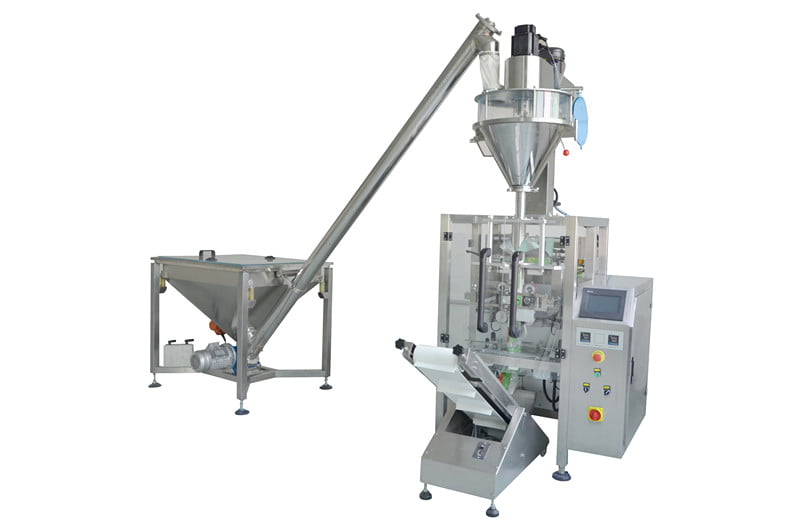
The key advantages here are lower initial cost and a smaller footprint. For businesses competing on volume or facing space constraints, VFFS is a robust solution. Furthermore, these machines are famously versatile, able to handle a wide range of film materials and thicknesses, giving you flexibility in your material sourcing. A modern PLC touchscreen allows operators to change product settings on the fly, making it ideal for facilities that run multiple SKUs on the same line.
Beyond the Box: Building a Brand Through Design
Customization Options
In a crowded aisle, “good enough” is invisible. Your package is your first—and maybe only—salesperson. It has less than three seconds to catch a consumer’s eye. This is where customization becomes your critical weapon.
Flexible packaging is brilliant for this. You can experiment with different designs, shapes, materials, and features (like windows or tear notches) without the high setup costs of rigid containers. It’s a silent conversation with the consumer. Does this look cheap? Does it look fresh? Does it look like me? High-quality printing and unique shapes are how you win that conversation.
Eco-Friendly Spice Packaging
Sustainability is no longer a “nice to have”; it’s a non-negotiable part of your brand’s story. Consumers are actively checking packages for recyclable or biodegradable materials. This trend is a massive opportunity.
Biodegradable stand-up pouches, post-consumer recycled (PCR) containers, and sealed paper tubes are moving from niche to mainstream. While some eco-materials may have different durability or barrier properties than traditional plastic or foil, their value in brand perception often outweighs any small cost premium.
From a procurement perspective, investing in sustainable solutions isn’t just about satisfying consumers; it’s about future-proofing your business. The procurement manager who ignores sustainability today is creating a regulatory and PR crisis for their company tomorrow.
Wholesale Spice Packaging
Wholesale packaging has a different job. It must balance cost-effectiveness, rugged protection, and logistic efficiency. Large-volume pouches are often the winner, providing excellent economies of scale while keeping the product sealed and safe.
For a B2B procurement professional, the choice of wholesale packaging directly impacts the total cost of goods. Sourcing pre-packaged, large-volume bags from your producer can lower per-unit costs and ensure quality consistency. Many suppliers now offer custom labeling even on bulk items, allowing distributors to maintain brand integrity.
Custom Spice Labels
The label is the voice of your package. It’s a legal document, a branding tool, and a set of instructions all in one. High-quality labels can be produced at a relatively low cost, allowing even small businesses to look highly professional.
The choice of material is critical. Will this label be stored in a freezer? Will it be exposed to cooking oils or moisture? A label that peels, smudges, or fades is a sign of a low-quality product. Working with a professional label provider ensures your package looks as good in the customer’s kitchen as it did on the factory floor.
Regulatory Compliance and Labeling Requirements
This is the section that can save, or sink, your business. Regulatory compliance is the bedrock of your entire operation. In the U.S., the FDA mandates strict labeling. Ingredient lists (in descending order by weight), net weight, manufacturer info, and all allergen warnings are non-negotiable.
You must clearly declare any artificial flavors, colors, or preservatives. If you claim “Organic” or “Non-GMO,” you must have the certification to back it up. For a procurement specialist, understanding these rules is a primary responsibility. Non-compliance leads to product recalls, hefty fines, and legal action.
A Compliance Officer’s Warning: There are no shortcuts. A common, costly mistake is finalizing a beautiful design before a regulatory review. A best practice is to “get a compliance audit before you print.” A recall doesn’t just cost money for shipping and destroyed product. It costs you the one thing you can’t buy back: your customer’s trust. Partnering with a label provider who lives and breathes FDA regulations is the best insurance you can buy.
Build Your Powder Packaging Line
Get a personalized recommendation tailored to your product and production target.
- ✓ Product type and packaging format
- ✓ Production target (bags/min)
- ✓ Line layout + equipment recommendation
- ✓ Capacity estimation + ROI
Conclusion
Your Package, Your Promise: The Future of Spice Packaging
The spice packaging industry is evolving at a thrilling pace, driven by consumer demands, new technology, and the urgent need for sustainability. The future isn’t just about faster machines or greener materials. It’s about integration.
We are moving toward smart packaging. Imagine a package that tells a customer its farm-to-table origin story via a QR code, or a pouch that senses its own internal atmosphere to guarantee freshness. For the forward-thinking procurement professional, now is the time to look beyond “What does this cost?” and ask, “What can this do for us?”
First Step to Rocket Your Spice Business
You now have a map for improving your spice packaging operations. Whether you’re considering an automated VFFS line, exploring sustainable materials, or re-evaluating your label design, the insights in this guide can direct your decision-making.
Take the first step. Contact a packaging solutions provider to have a strategic discussion about your specific challenges and goals. Many, including Lintyco, offer complimentary consultations to evaluate your needs before you make a single investment.
Ultimately, a spice package is more than paper, plastic, or foil. It is the final handshake with your customer. It’s a vessel for flavor, a shield for freshness, and a promise of quality. Make that promise count.
Do not hesitate to contact us Now.


 English
  Spanish
  Russian
  Korean
  French
  German
  Italian
  Arabic
  Thai
Thai  Chinese
  Vietnamese
  Japanese
  Portuguese
  Dutch
Dutch  Malay
Malay