
Introduction: A Silent Conversation Between Brands and Pet Owners
When a pet owner stands in front of a shelf of pet food options, they’re not just looking at products—they’re making a deeply personal decision about their beloved companion’s wellbeing. That moment of consideration, often lasting only seconds, represents far more than a simple purchase. It’s a conversation between the manufacturer and the consumer, mediated entirely through packaging. In today’s competitive pet food market, packaging has transcended its traditional role as mere protection. It has become a silent ambassador of brand values, product quality, and trustworthiness. Understanding this profound relationship is essential for any manufacturer seeking to thrive in an industry where emotional connection drives purchasing decisions just as much as product specifications do.
Understanding Pet Food Packaging: The Intersection of Care, Commerce, and Responsibility
What Pet Food Packaging Really Means
Pet food packaging represents something far deeper than the materials it comprises. It’s an extension of a pet owner’s care and responsibility for their animal. When someone reaches for a package of pet food, they’re not merely transacting; they’re making a commitment to their pet’s health, longevity, and quality of life. This psychological reality means that packaging serves multiple purposes simultaneously: it protects the physical product, yes, but it also protects and communicates the brand’s promise of care.
The multifunctional nature of packaging reflects the complexity of modern consumer expectations. Pet owners today are more informed, more conscientious, and more skeptical than ever before. They expect packaging to be informative, transparent, and aligned with their values. A package that fails to communicate trustworthiness, or worse, creates suspicion through unclear labeling or poor design, can undermine even the highest-quality product inside.
Moreover, packaging has become a reflection of how much a brand respects its customers’ intelligence and their pets’ wellbeing. In an era where consumers are increasingly concerned about sustainability, ingredient transparency, and ethical sourcing, packaging is no longer a neutral vessel—it’s a statement. Every design choice, every material selection, every piece of information displayed on that package carries meaning and builds or diminishes consumer confidence.
Why Packaging Matters More Than Ever Before

The global pet food packaging market’s projected growth from $13.88 billion in 2025 to $25.31 billion in 2034 isn’t merely a statistic—it reflects a fundamental shift in how the industry views packaging’s role. This isn’t just inflation or market expansion; it represents increased investment in and demand for better, smarter, more meaningful packaging solutions.
The deeper reason for this growth lies in the humanization of pet ownership. Pets are no longer viewed as commodities; they’re family members. Pet owners project their own values and concerns onto their purchasing decisions, meaning that packaging that communicates premium quality, safety consciousness, and environmental responsibility resonates powerfully with modern consumers. When someone chooses a product in sustainable packaging at a premium price, they’re not just buying pet food—they’re expressing their identity and their commitment to causes they believe in.

High-quality packaging also serves a crucial psychological function: it reduces the cognitive burden of decision-making. When faced with dozens of options, consumers tend to trust packaging that appears professional, thoughtful, and transparent. A well-designed package with clear ingredient listings, proper certifications, and intuitive labeling signals that the manufacturer has invested care into every aspect of the product, including its presentation. This builds trust in ways that price alone cannot.
The Contemporary Shift: From Protection to Purpose
The pet food packaging industry is currently experiencing a transformation that goes well beyond cosmetic changes. Sustainability isn’t just a trend—it reflects a fundamental recalibration of values among consumers who are grappling with climate anxiety and environmental guilt. When a brand commits to recyclable or compostable packaging, it’s communicating that it shares its customers’ concerns and is willing to invest in solutions, even when those solutions cost more.
Convenience features like resealable zippers also reflect deeper consumer psychology. They communicate respect for the consumer’s life as it actually exists: busy, complicated, and often chaotic. When packaging acknowledges that people don’t have time for complicated routines, it creates a subtle but meaningful form of brand loyalty. It says, “We understand your world, and we’ve designed our product to fit into it seamlessly.”
Premium aesthetics in packaging speak to the pet owner’s desire to elevate their pet’s status. The sophisticated illustrations and vibrant colors used by premium brands aren’t frivolous—they’re affirming. They signal that the product inside is worthy of special consideration and care, reinforcing the consumer’s feeling that they’re making an excellent choice for their pet.
Custom Packaging: The Language of Brand Intimacy
The Psychology of Customization
When a pet food brand chooses to invest in custom packaging, they’re making a profound statement about their commitment to their market niche. Customization is expensive, time-consuming, and risky. Only brands that truly believe in their unique position and are willing to stand apart from the crowd pursue it seriously. This creates a reciprocal effect: consumers who choose brands with distinctive, custom packaging feel like they’re part of something special, something that exists because the manufacturer cared enough to create it.
There’s a psychological principle at work here: scarcity and exclusivity drive perceived value. When a brand’s packaging is uniquely designed—shaped differently, printed with distinctive artwork, engineered to fit specific product characteristics—consumers unconsciously register this as a signal of quality and authenticity. It suggests that the manufacturer isn’t cutting corners or following industry templates; they’re crafting something specific to their vision.
Custom packaging also establishes a form of brand covenant with consumers. When a manufacturer invests in custom machinery like Lintyco’s specialized pouch systems, creates unique pouches, and integrates custom features, they’re saying, “We’ve engineered this specifically because we understand what you and your pet need.” This kind of dedication creates loyalty that transcends price point considerations.
The Emotional Architecture of Package Design
Successful custom packaging creates an ecosystem of meaning. Every element—from the shape of the pouch to the clarity of the window to the quality of the printing—contributes to an overall narrative about the brand and its values. A premium pet food brand using a stand-up pouch with a clear window and sophisticated artwork is constructing a carefully orchestrated emotional experience.
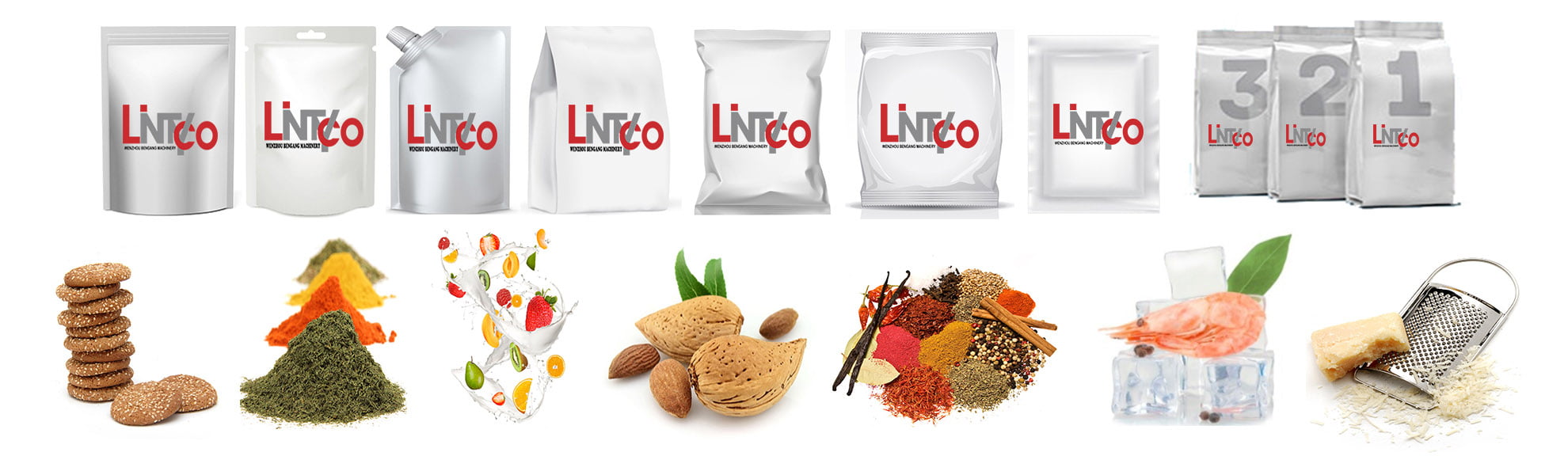
The stand-up pouch itself carries psychological significance. It signals confidence. A brand willing to have their product stand upright, visible to consumers, and occupying prime shelf space is essentially saying, “We’re not hiding. Look at our product. Trust what you see.” This is far more powerful than traditional flat packaging that often ends up obscured or forgotten.
Four-side seal pouches communicate maximum care and precision. They suggest that nothing has been left to chance, that every detail has been considered in the service of protecting and preserving the product. For premium brands serving health-conscious pet owners, this message resonates deeply because it aligns with values around comprehensive care and attention to detail.
Case Studies: When Packaging Becomes Partnership
The success stories of brands that have invested in Lintyco’s custom packaging solutions reveal something important: these aren’t just about moving more product. They’re about creating meaningful connections. When a US pet food brand achieved a 45% efficiency increase while maintaining quality standards, and saw shelf sales increase by 23%, the gains weren’t just operational. They represented a renewed consumer perception of the brand as sophisticated and professional.
The organic and natural pet food brand that achieved 35% sales growth through custom, recyclable packaging with sophisticated design wasn’t just selling more product. They were successfully aligning their packaging with their brand promise, creating a coherent narrative that said, “We care about your pet’s health, your family’s values, and the planet’s future.” When brand messaging and packaging design work together in perfect harmony, growth becomes almost inevitable because consumers feel seen and understood.
The UK freeze-dried pet food manufacturer’s 50% shelf life extension through vacuum sealing and nitrogen replacement tells a different but equally profound story. It demonstrates that custom packaging isn’t just about aesthetics—it’s about solving real problems that matter to consumers. Pet owners who understand the science behind freeze-dried food and extended shelf life see this technology as validation that the brand understands their needs at the deepest level.
Food-Safe Materials: The Science of Trust
Materials as Ethics
The choice of packaging materials isn’t purely technical—it’s ethical. When a manufacturer selects PET, HDPE, LDPE, or PP, they’re making a statement about their commitment to safety and responsibility. Each material choice represents a different philosophical stance on the balance between performance, cost, sustainability, and safety.
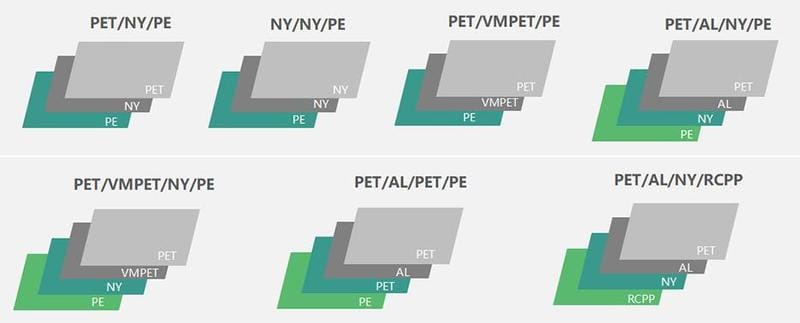
PET’s widespread use—from beverage bottles to food containers—has created a kind of consumer familiarity and comfort. People know PET. They’ve used PET products their entire lives. This familiarity breeds a subtle form of trust. When a premium pet food brand uses PET in their multilayer film structure, they’re drawing on decades of proven safety and consumer confidence.
HDPE’s strength and heat resistance communicate durability. When a package can withstand extreme temperatures without compromising integrity, it sends a message about the brand’s confidence in their product and their processes. It says, “Our product is so robust that we don’t need to compromise on material quality.”
LDPE’s flexibility speaks to accessibility and practicality. It’s the material of everyday use, of convenience and reliability. Brands using LDPE are often communicating that quality doesn’t have to be complicated or pretentious—it can be practical, accessible, and user-friendly.
PP’s versatility and heat tolerance make it the choice of brands that view themselves as innovative and forward-thinking. Using PP signals that the manufacturer isn’t bound by convention; they’re selecting materials based on optimal performance characteristics rather than tradition.
The Regulatory Framework as Consumer Protection
FDA regulations around food contact materials might seem like bureaucratic hurdles, but they represent something profound: a social contract. When consumers see FDA compliance certifications on packaging, they’re experiencing the reassurance of regulatory oversight. This matters psychologically. It reduces the burden on individual consumers to verify safety; they can trust that an institutional authority has done that work on their behalf.
The requirement for temperature resistance testing, migration testing, and complete documentation isn’t just regulatory theater. It’s evidence that someone, somewhere, has considered multiple scenarios and potential failure points. For pet owners who worry about their animals’ wellbeing, this kind of systematic thinking is deeply reassuring.
Sustainability: The Future of Responsible Packaging
The shift toward sustainable materials reflects a generational change in consumer consciousness. Pet owners, increasingly drawn from younger demographics with heightened environmental awareness, want their purchasing decisions to align with their values. When a brand commits to biodegradable, compostable, or recyclable materials, they’re acknowledging a truth that transcends pet food: we’re all stewards of the planet.
This sustainability commitment creates a powerful feedback loop. Brands that invest in eco-friendly packaging create positive brand narratives that attract like-minded consumers. These consumers, in turn, become brand ambassadors, sharing their purchasing choices on social media and creating organic marketing. In this way, sustainable packaging becomes both ethically sound and commercially strategic.
Flexible Packaging: Designing for Real Life
The Practical Wisdom of Flexibility
Flexible packaging represents a philosophical shift in manufacturing: designing products for the world as it actually exists, not as manufacturers wish it to be. The 30% reduction in shipping costs achieved through flexible packaging isn’t just a financial win—it’s an environmental one. It means fewer trucks on the road, less fuel consumed, smaller carbon footprints. This creates a beautiful alignment between consumer environmental concerns, business efficiency, and practical sustainability.
The convenience factor of flexible packaging goes deeper than surface-level ease. When consumers choose products in flexible packaging over rigid containers, they’re often making an implicit decision that reflects their life circumstances. Apartment dwellers with limited storage space prefer flexible bags. Busy professionals who appreciate space-efficient shopping choose flexible formats. Eco-conscious consumers appreciate the resource efficiency. In this way, flexible packaging accommodates diverse consumer needs simultaneously.
The Psychological Power of Visibility
Transparent windows in flexible packaging operate on a powerful psychological principle: what you can see, you can trust. When consumers can visually inspect product quality through a clear window, they experience a sense of control and transparency that deeply satisfies modern consumer psychology. In an age of skepticism toward marketing claims and distrust of hidden ingredients, the ability to see what you’re buying creates an almost visceral sense of reassurance.
This transparency also serves another purpose: it’s a challenge. A brand that’s willing to have their product visually inspected is essentially saying, “Look. We’re confident. Our product is what we say it is.” This kind of confidence communicates quality and integrity in ways that no slogan or certification mark could.
Innovation as Conversation
High-barrier multilayer films represent an ongoing conversation between manufacturers and the scientific challenge of preservation. These films are engineering marvels—multiple layers of different materials, each serving specific functions, all working in concert to maintain product freshness. When consumers encounter these innovations, they’re experiencing evidence that the manufacturer is continuously solving problems in service to product quality.
Similarly, easy-open technology in zippers and resealable features demonstrate that manufacturers are listening to consumer feedback and iteratively improving their products. Innovation in packaging isn’t abstract or theoretical; it’s concrete, tangible, and directly serves human needs.
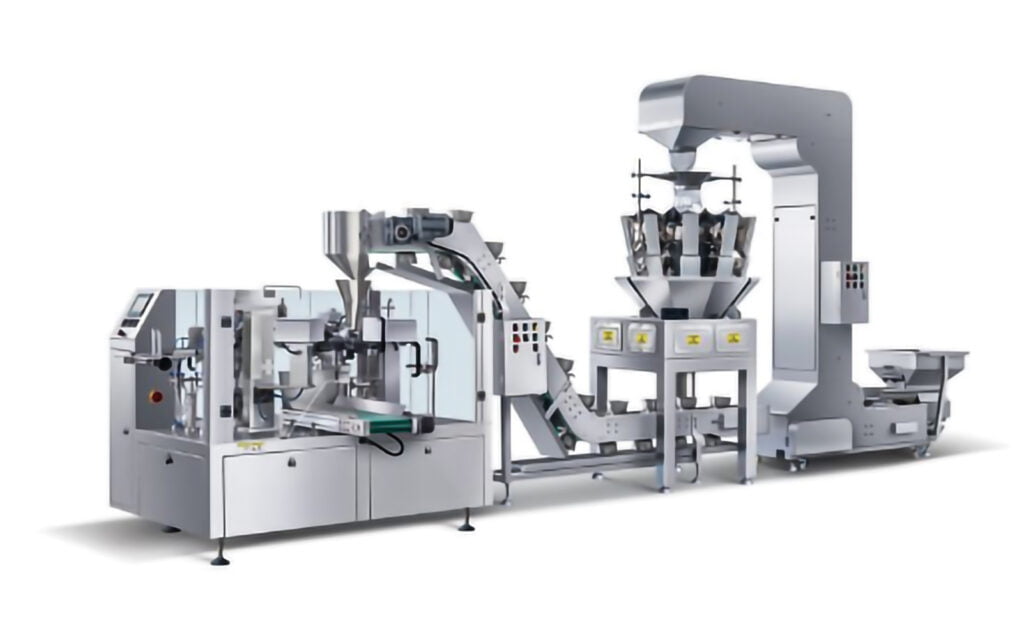
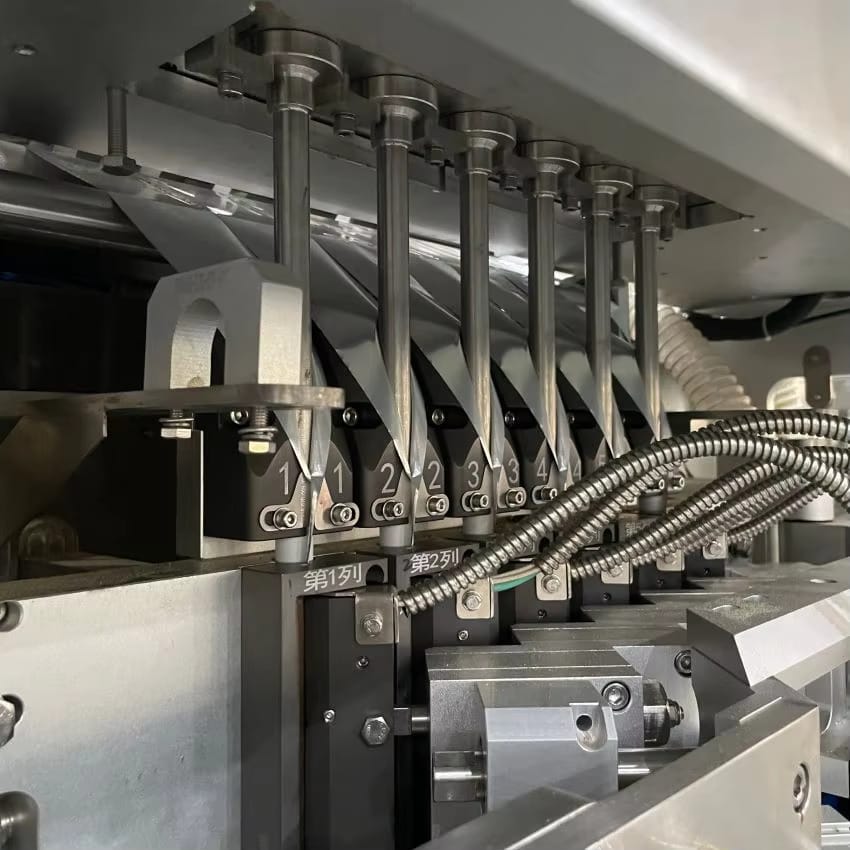
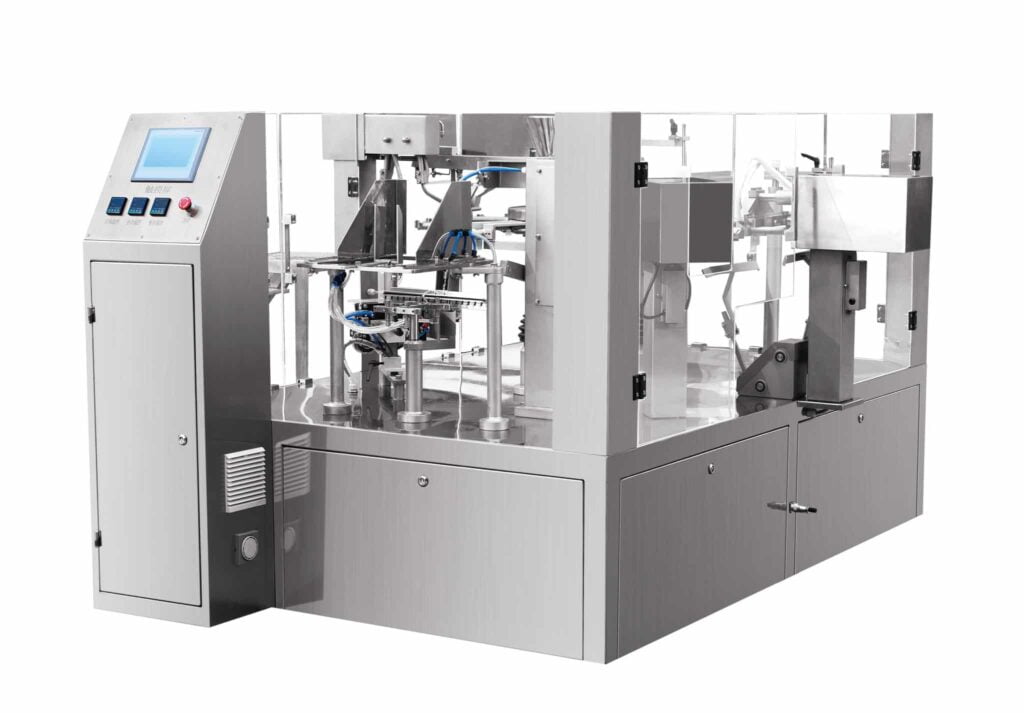
Lintyco’s rotary premade pouch machine exemplifies this integration of innovation and accessibility. By combining SS304 stainless steel construction with German/Japanese electronic components, the machine achieves consistent quality while packaging up to 80 bags per minute. This represents the translation of sophisticated engineering into practical, economically viable production.
Pet Food Storage: The Extended Life of Responsibility
Beyond the Point of Sale
While much attention focuses on the moment of purchase, truly excellent packaging extends responsibility far beyond that moment. The storage solutions that packaging provides shape the entire lifecycle of the product in the consumer’s home. When packaging preserves product freshness effectively, it’s not just protecting the product—it’s extending the window during which the pet owner can feel confident in what they’re feeding their animal.
Proper storage represents a contract between the manufacturer and the consumer. The manufacturer says, “If you follow these guidelines and use our packaging as designed, your pet’s food will remain fresh and nutritious.” The consumer, in trusting these guidelines, completes the contract. When packaging systems deliver on this promise, they create a foundation of reliability that builds long-term brand loyalty.
The Science of Freshness
The technical features that maintain freshness—high-barrier films, oxygen absorbers, nitrogen replacement—aren’t just technical specifications. They’re evidence of care. Each layer, each seal, each feature is designed with a singular purpose: to protect what’s inside from degradation. This kind of systematic protection communicates respect for the consumer’s investment and their pet’s wellbeing.
When a manufacturer takes the time to develop sophisticated storage solutions, they’re saying, “We understand that feeding your pet correctly extends beyond the moment of purchase. We’ve engineered our packaging to be a partner in your pet’s ongoing health and nutrition throughout the entire product lifespan.” This kind of thinking, when clearly communicated through packaging design and information, elevates the brand in consumers’ minds from mere supplier to genuine partner in pet care.
Lintyco’s automated packaging systems can integrate advanced preservation technologies like vacuum sealing and nitrogen replacement, which extend shelf life by 50% or more. This combination of technology and thoughtful engineering transforms packaging from a container into a preservation system.
Automation: The Human Touch in Mechanization
Efficiency as Respect
When pet food packaging manufacturers invest in advanced automation systems like Lintyco’s sophisticated machinery, they’re making a statement about respect for precision and consistency. Automation isn’t about replacing human judgment—it’s about ensuring that every package meets the same exacting standards, every time. This consistency is profoundly comforting to consumers.
The human element in automation comes from the engineering that precedes it. Engineers who understand both the science of packaging and the nuances of consumer needs design systems that don’t just function mechanically—they think. Servo-controlled systems, advanced PLC technology, and intelligent weighing systems represent the embodiment of human expertise and care translated into mechanical precision.
Quality as Promise
The 45% efficiency gains and 23% sales increases achieved by brands investing in automated systems aren’t just about moving more product through the line. They’re about moving better product through the line. When automation ensures consistent fill weights, precise seals, and perfect printing quality, it’s creating a physical manifestation of the brand’s promise: that they care enough to ensure every single package meets their standards.
This consistency creates a subtle but powerful feedback loop. Consumers who receive perfectly packaged products every time become convinced that the brand is reliable. They develop loyalty not just because they like the product but because they trust the brand’s commitment to excellence. This trust becomes the foundation of long-term customer relationships.
The Integration of Craft and Technology
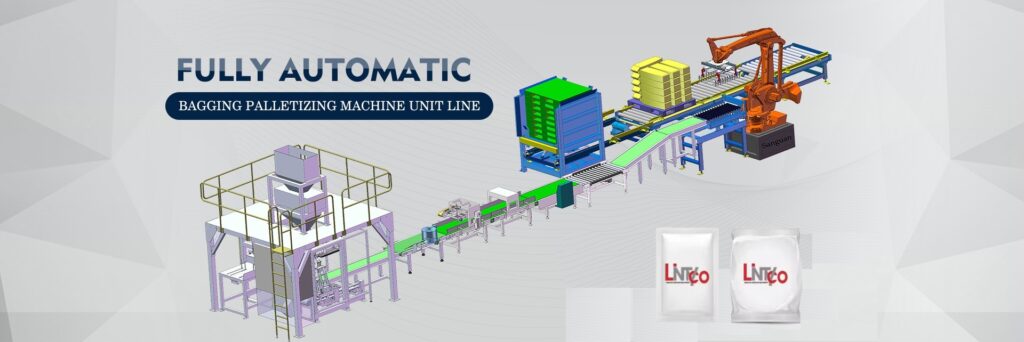
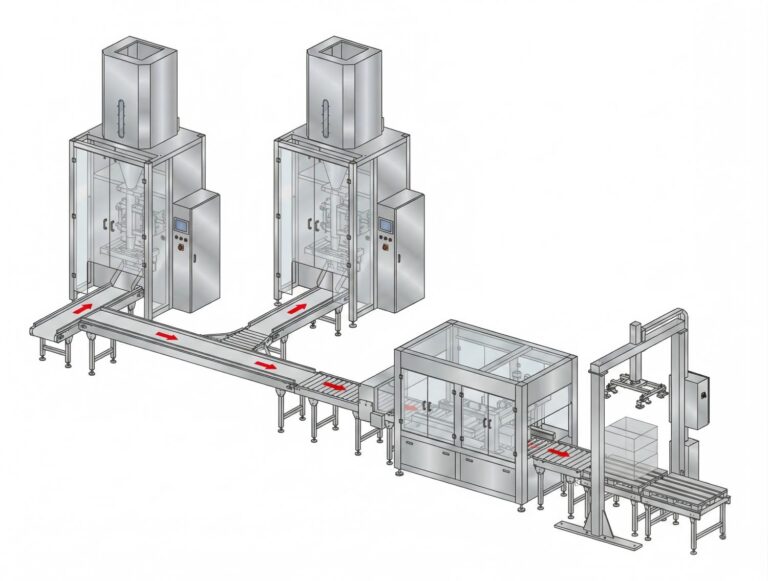
The most sophisticated packaging solutions don’t pit automation against human craftsmanship—they integrate them. Lintyco’s flexible automation systems that integrate with other equipment, incorporating conveyor systems, multi-head weighers, and labeling machines, represent the apex of this integration. These systems are complex enough to handle multiple variables and adapt to different product types, yet reliable enough to operate continuously.
This kind of technological sophistication, when deployed thoughtfully, enhances rather than diminishes the human experience of packaging. The machinery doesn’t strip away the human element—it enhances it. Every person involved in the production process, from the initial engineering through final quality control, can work more effectively, focus on what matters most, and take pride in work that’s both technically excellent and meaningfully crafted.
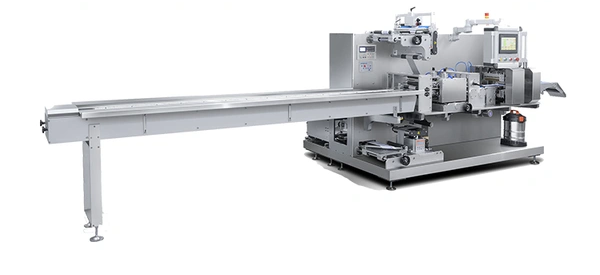
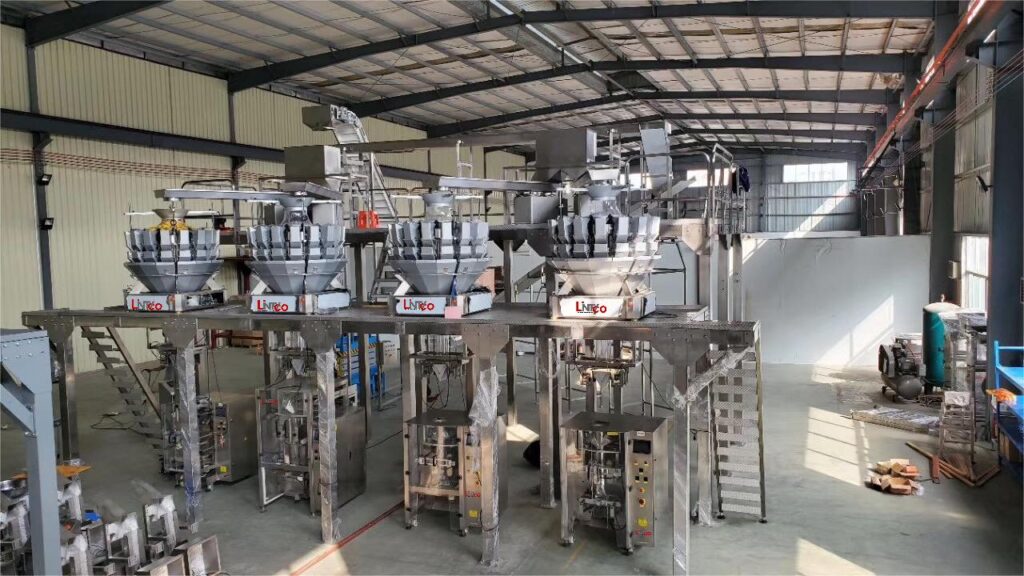
Lintyco offers three primary packaging machine solutions for pet food:
- Rotating Premade Pouch Machine: Up to 80 bags/min, ideal for stand-up pouches with SS304 and German/Japanese components
- Vertical Form Fill & Seal Machine: Up to 60 bags/min, cost-effective for standard products
- Horizontal Flow Wrapper Machine: Up to 290 bags/min, highest precision with servo control and advanced PLC

Making the Right Choice: A Thoughtful Approach
Understanding Your Brand’s Voice
Choosing the right packaging solution begins with a fundamental question: What is your brand trying to say? This isn’t just about product differentiation in a crowded market. It’s about clarifying your brand’s core values and ensuring every element of packaging reinforces that message.

A premium natural pet food brand’s choice to invest in custom stand-up pouches with clear windows and sophisticated design isn’t arbitrary. It’s a deliberate expression of their conviction that pet care deserves thoughtful, premium attention. A budget-conscious brand’s choice to use efficient VFFS machinery and cost-effective packaging isn’t a compromise—it’s a different but equally valid expression of their values: making quality pet food accessible to everyone.
Alignment Between Form and Content
The most successful packaging solutions achieve perfect alignment between the physical form of the package and the underlying product and brand values. When this alignment is absent, consumers sense the disconnect intuitively. They might not articulate it consciously, but they feel it: something doesn’t quite match.
This is why understanding your specific product requirements goes so deep. A freeze-dried pet food product isn’t just technically different from regular kibble—it carries different meanings, appeals to different consumers, and requires packaging that communicates its unique value proposition. The vacuum sealing and nitrogen replacement technology isn’t just preserving the product; it’s expressing the brand’s commitment to advanced, science-backed preservation.
The Partnership Approach
Choosing a packaging partner like Lintyco represents more than just selecting a supplier. It’s about finding an organization that shares your commitment to excellence and understands that packaging serves emotional and psychological purposes alongside technical ones. When you work with engineers who have spent years in the field, who understand not just the machinery but the market, you’re gaining access to wisdom that transcends specifications.
The professional services that companies like Lintyco offer—factory layout planning, machinery testing, direct video support—aren’t conveniences. They’re evidence of a commitment to your success. They say, “We’re invested in making sure this partnership works, that you get the right machinery for your needs, and that everything runs smoothly.” This kind of partnership approach filters out vendors who see you as merely a transaction and highlights those who see you as a partner in creating something meaningful.
Lintyco’s OEM/ODM services enable manufacturers to develop completely customized packaging solutions that precisely match their product needs and business goals. The company’s team of engineer-salespeople (each spending a year in factory operations before sales) ensures expert guidance and understanding of real-world production challenges.
Conclusion: Packaging as Philosophy
Pet food packaging has evolved beyond its historical role as mere protection. Today, it functions as a communication system, a trust-building mechanism, and a reflection of brand values. Every choice—from material selection to format design to automation decisions—sends messages to consumers about quality, care, reliability, and alignment with their values.
The manufacturers who will thrive in coming years won’t be those who view packaging as a cost to minimize or a checkbox to complete. They’ll be those who recognize packaging as a strategic investment, a powerful tool for building meaningful relationships with consumers, and a tangible expression of their commitment to excellence.
When a pet owner stands in front of a shelf and reaches for a particular brand’s packaging, they’re making a decision rooted in both rational evaluation and emotional resonance. They’re choosing based on what they see, what they know, and what they feel the brand stands for. That moment of choice represents the culmination of all the decisions a manufacturer has made—about materials, design, automation, quality, and values.
Packaging, understood in this deeper way, becomes an opportunity to say something true about your brand and your commitment to the animals and families who depend on you. It becomes a way of participating in something larger than commerce: the care of living creatures and the satisfaction of human responsibility well-executed. In choosing to invest thoughtfully in packaging solutions through partners like Lintyco, you’re not just selecting machinery or materials. You’re affirming your brand’s commitment to excellence at every level and inviting consumers to participate in a community that cares deeply about quality, integrity, and the wellbeing of beloved pets.
Ready to transform your pet food packaging? Contact Lintyco today to discuss how our customized machinery and expert services can help your brand achieve both commercial success and meaningful connection with your customers.

 English
  Spanish
  Russian
  Korean
  French
  German
  Italian
  Arabic
  Thai
Thai  Chinese
  Vietnamese
  Japanese
  Portuguese
  Dutch
Dutch  Malay
Malay