
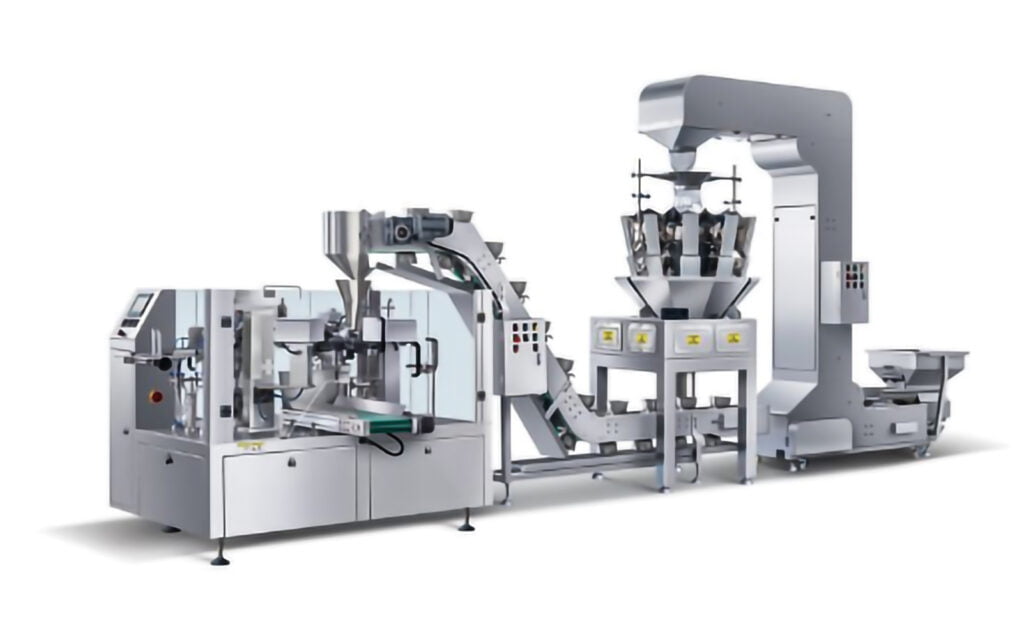
When people talk about fertilizer production, the conversation usually stops at mixing and granulating. But let’s be honest — what happens after that is just as important.
Because at the end of the day, if your fertilizer isn’t packed right, you’re literally leaking profit.
Most people think fertilizer packing is just “put it in a bag.”
But is it really that simple?
Let’s dive in — not as engineers with blueprints, but as people who just want things to work better.
Why Fertilizer Packing Is Trickier Than It Looks
Imagine trying to scoop flour, sugar, and sand with the same spoon.
You’d soon realize — they don’t behave the same way.
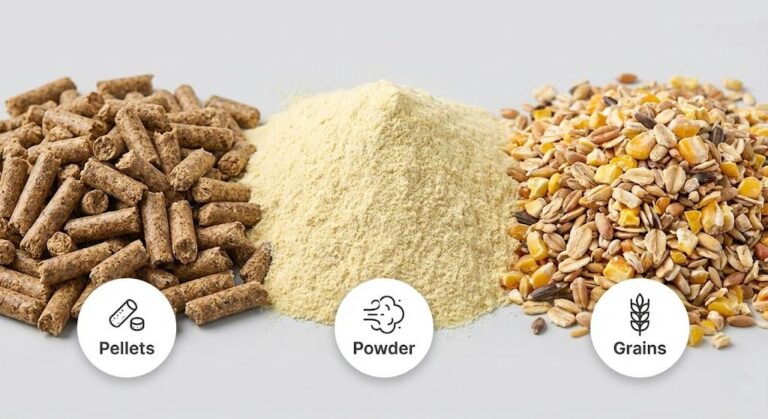
Fertilizer is like that: powder, granules, or crystals, each with their own personality.
- Granular fertilizer tends to roll and bounce — easy to spill.
- Powder fertilizer sticks to everything and creates dust clouds.
- Chemical blends may corrode metal parts over time.
Now, add this: different countries and climates have different demands.
Middle Eastern factories need moisture-proof bags.
European buyers care about eco-friendly materials.
And in the U.S., precise weight and fast output are everything.
So no — fertilizer packing isn’t just about putting material in a bag.
It’s about managing consistency, safety, precision, and cost all at once.
20 Years of Learning: The Three Secrets of a Good Fertilizer Packing Line
After building machines for over 20 years, we’ve seen nearly every mistake a factory can make — and every clever fix, too.
Here are the three essentials we’ve learned matter most.
1. Accurate Weighing — Because Every Gram Counts
You know how a barista carefully measures coffee beans for the perfect taste?
Fertilizer is like that, but with money instead of flavor.
Even a 1% error in weighing can cost thousands of dollars per month.
That’s why a reliable weighing system is the backbone of any fertilizer packing solution.

We use electronic scales with auto-calibration — they adjust themselves during operation.
Some systems even correct for material flow changes automatically.
When customers in Europe audit their production line, they’re not just checking packaging speed — they’re checking precision.
A 50-kg bag must be 50 kg, not 49.5 or 51.2.
2. Speed vs. Stability — The Real Balancing Act
Here’s a question we love to ask:
Do you want your machine to run fast, or to never break down?
Most people say “both,” of course.
But in real life, speed and stability are always fighting each other.
Think of it like a race car. You can push the engine to 200 mph, but not every day.
In a factory, that means you want your machine to run fast enough to meet demand, but stable enough to run all day, every day without choking on dust or heat.
That’s why our fertilizer packing machines use:
- Anti-dust feeding systems to keep sensors clean
- Reinforced structure for vibration control
- Smart PLCs that auto-adjust feed speed for steady flow
Because a stable fast line beats a fast broken line every time.
3. Adaptability — One System, Many Fertilizers
No two fertilizers are the same.
And no two factories are, either.
Some clients handle urea granules; others do NPK powders.
Some work in humid coastal regions; others in dry, dusty zones.
That’s why adaptability is everything.
Our machines can handle:
- Open-mouth bags, valve bags, or jumbo bags
- Powder, granule, or mixed material
- Manual, semi-auto, or fully automatic setups
For the Middle East, we focus on anti-corrosion and moisture-proof designs.
For Europe, we ensure compatibility with biodegradable packaging.
And for the U.S., we prioritize speed, labor savings, and easy software integration.
In short: a good fertilizer packing solution should fit your fertilizer, not force your fertilizer to fit the machine.
Choosing the Right Fertilizer Packing Machine: From Simple to Smart
Depending on your plant size and budget, here are three typical configurations.
1. Semi-Automatic Fertilizer Packing Line
Perfect for small or mid-sized factories that want control without high costs.
What’s inside:
- Weighing and filling machine
- Conveyor belt
- Sewing or sealing machine
Operators just place the bag, and the rest is automated.
Simple, reliable, and easy to maintain.
Why choose it:
Low investment, low maintenance, still 2–3 times faster than manual packing.

2. Fully Automatic Fertilizer Packing Line
This is where the magic happens.
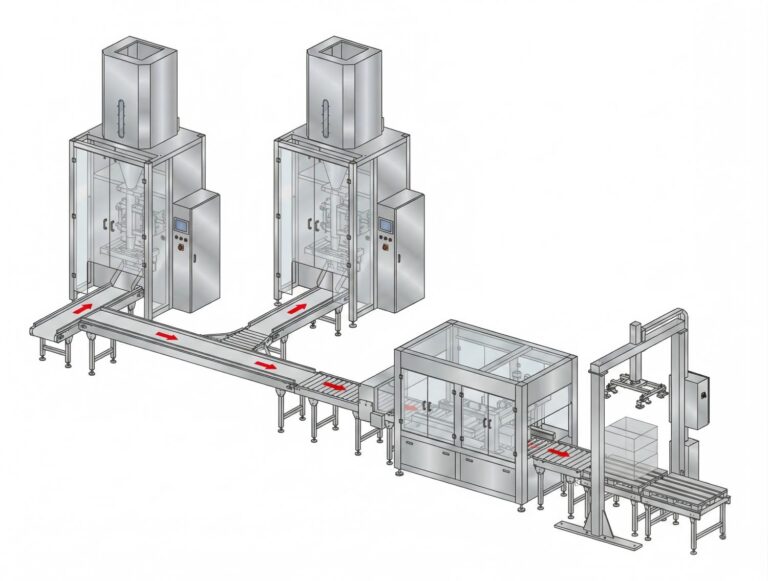
From bag feeding to palletizing, everything works automatically.
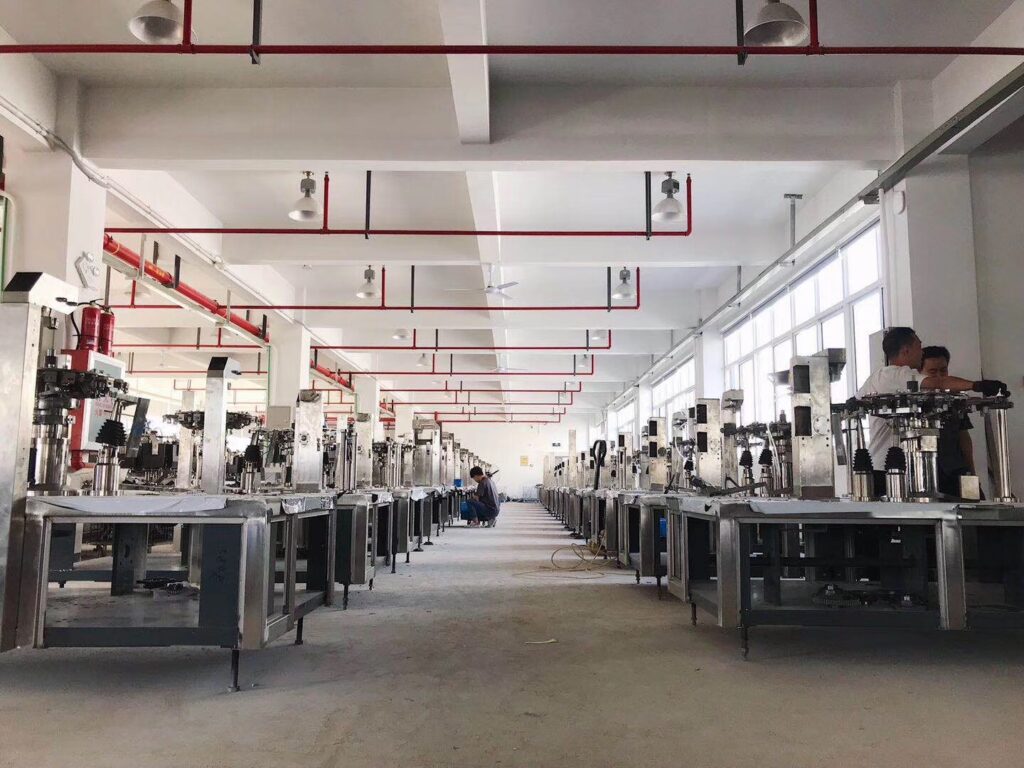
Typical flow:
Automatic bag placer → Weighing & filling → Sealing → Metal detection → Palletizing robot
You just need one operator to oversee the system.
Why choose it:
- Labor saving (up to 70%)
- Consistent bag quality
- Continuous 24/7 operation
One of our clients in Turkey upgraded from manual packing to a full automatic line — their efficiency jumped 30% and maintenance costs dropped 20% within three months.
Interestingly, if you check community discussions like r/engineering or r/manufacturing, you’ll see a few clear themes emerge: \n- Weighing accuracy is the top priority — as one user put it, “Even small errors add up when you’re filling thousands of bags.” \n- After-sales service can make or break your investment. “Our old supplier disappeared after installation,” one buyer warned.
3. Custom Fertilizer Packing Solution
Some fertilizers don’t fit the standard models.
Maybe the material is sticky, maybe it’s hot, or maybe the factory has limited space.
That’s where customization matters.
We can tweak hopper design, bag clamps, or conveyor height to match your specific conditions.
Because at the end of the day, the best packing line isn’t the most expensive — it’s the one that fits you perfectly.
The Hidden Power of “Cost-Effective”
Let’s talk about what everyone secretly thinks but rarely says: budget.
A lot of customers compare our machines to European brands that cost twice as much.
And sure — those are great machines. But many times, they’re “too much” for the job.
We focus on value, not luxury.
Our philosophy is simple: Make automation accessible.
Because the truth is, “high-end” doesn’t always mean “high return.”
When you can get a machine that:
- Runs 24/7 with minimal maintenance
- Uses standard components easy to replace locally
- Costs 30–50% less than top-tier European brands
— that’s what we call smart investment.
So when we say “cost-effective,” we don’t mean “cheap.”
We mean “optimized — for performance and price.”
One Reddit user summarized it perfectly: “Don’t buy the most expensive machine — buy the one that makes sense for your production reality.” \nThat’s exactly how we define cost-effectiveness.
Looking Ahead: The Smart Future of Fertilizer Packing
Let’s take a quick peek into the future.
Imagine checking your packaging line from your phone — you can see how many bags have been packed, detect a jam, or even predict a maintenance need before it happens.
That’s not sci-fi anymore.
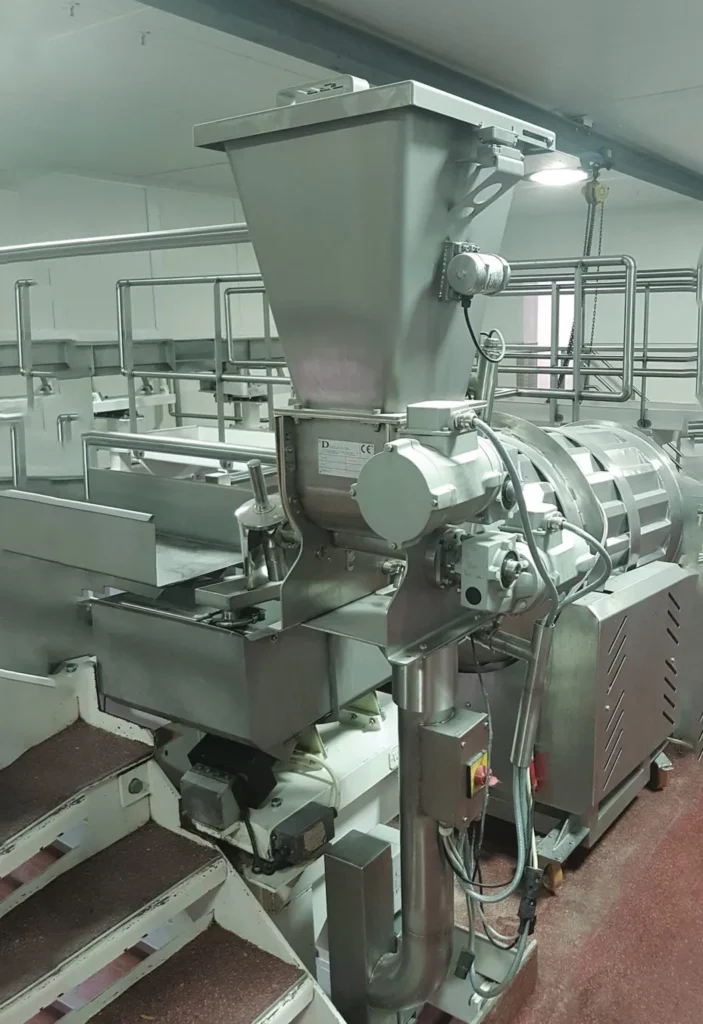
With IoT (Internet of Things) integration, fertilizer packing systems are getting smarter every year.
Some features already here:
- AI-assisted weighing correction
- Remote monitoring dashboards
- Predictive maintenance alerts
As global farming modernizes, fertilizer factories will follow.
And we’re excited to be part of that evolution — blending classic engineering with new intelligence.
Frequently Asked Questions (FAQs)
1. What’s the difference between semi-automatic and fully automatic fertilizer packing machines?
Semi-automatic machines require an operator to place bags and start the process. Fully automatic systems handle everything — from bag feeding to sealing — with minimal human input. The choice depends on your production volume and budget.
2. Can one packing line handle different types of fertilizers?
Yes! Modern packing systems are modular. You can adjust feeders, scales, and sealing units to match powders, granules, or mixed fertilizers. The goal is flexibility without compromising accuracy.
3. How do I know if my current line is outdated?
If you notice frequent downtime, inconsistent bag weights, or rising labor costs, it might be time for an upgrade. A new system can often pay for itself in a year through savings and efficiency gains.
4. Is maintenance complicated for automatic packing systems?
Not really. Regular cleaning and occasional sensor calibration are the main tasks. Our systems use common parts that can be replaced locally — no special tools or imported technicians needed.
5. How can I make my fertilizer packing line more sustainable?
Consider using biodegradable or recyclable bags, and choose energy-efficient machines. Advanced PLCs and sensors also reduce waste by improving fill accuracy.
What Do You Need At Last?
Let’s wrap it up with something simple.
Forget specs for a second. Forget the models.
Ask yourself this:
Is your current packing line helping you grow your business — or holding it back?
If your bags are inconsistent, your labor costs are high, or your speed can’t keep up, maybe it’s time for an upgrade.
We’ve worked with factories across the U.S., Europe, and the Middle East to design solutions that fit their fertilizers, their budgets, and their future.
Because that’s what a real fertilizer packing solution should do —
not just pack products, but pack profits.
If you’d like to see what setup might work best for you, just reach out.
We’re always happy to talk shop — no pressure, no jargon. Just straight answers and honest advice.
Contact us to get your free packing design now.

 English
  Spanish
  Russian
  Korean
  French
  German
  Italian
  Arabic
  Thai
Thai  Chinese
  Vietnamese
  Japanese
  Portuguese
  Dutch
Dutch  Malay
Malay