Blister packaging plays a crucial role in protecting medications from environmental factors such as moisture, light, and air, ensuring their safety, potency, and effectiveness. This packaging method is widely used for tablets, capsules, and suppositories due to its ability to provide reliable protection, ease of use, and extended shelf life.
Whether you are new to the industry or looking to refine your packaging knowledge, understanding these essential components is vital to maintaining the integrity and safety of pharmaceutical products.
블리스터 포장재
제약품 블리스터 포장기의 블리스터 포장에 사용되는 재료에는 주로 플라스틱 시트, 기질 재료, 열 밀봉 코팅 재료 및 기질 인쇄 잉크가 포함됩니다.
(1) 플라스틱 시트 소재
제약 블리스터 포장기의 블리스터 포장에 일반적으로 사용되는 경질 플라스틱 시트는 주로 폴리염화비닐, 폴리염화비닐리덴 및 일부 복합 재료를 포함합니다. 현재 가장 널리 사용되는 것은 폴리염화비닐 경질 시트입니다.
경질 폴리염화비닐 시트는 투명성과 광택이 좋습니다. 제약 포장에 사용되는 폴리염화비닐 시트는 수지의 위생에 대한 요구 사항이 높으며 무독성 폴리염화비닐 수지, 무독성 개질제 및 무독성 열 안정제를 사용해야 합니다.
Polyvinylidene chloride has a high molecular density, regular structure, high crystallinity, extremely strong gas sealing, excellent moisture resistance, good oil resistance, drug resistance and solvent resistance, and excellent barrier properties to oxygen, water vapor and carbon dioxide in the air. Compared with materials of the same thickness, the barrier property of polyvinylidene chloride to oxygen is 1500 times that of polyethylene, 100 times that of polypropylene, and 100 times that of polyester. It is better than polyethylene in terms of water vapor and oxygen resistance. Moreover, the sealing performance, impact strength, tensile strength and durability of polyvinylidene chloride materials can meet the special requirements of blister packaging such as medicines.
Therefore, polyvinylidene chloride is one of the development directions of blister packaging materials in the future. Composite plastic sheets for drug blister packaging include PVC/PVDC/PE, PVDC/OPP/PE, PVC/PE, etc. For drugs that require barrier properties and light protection, materials composited with plastic sheets and aluminum foil can be used, such as PET/aluminum foil/PP, PET/aluminum foil/PE composite materials.
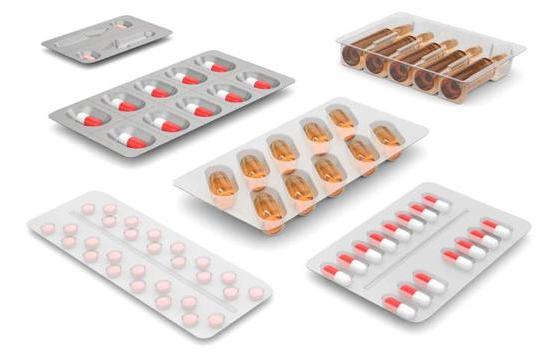
(2) 기판소재
The substrate for blister packaging of tablets and capsules often uses coated aluminum foil. The aluminum foil is made of 99% pure electrolytic aluminum and is made by calendering. The aluminum foil has a highly dense metal crystal structure, is non-toxic and odorless, has excellent light-shielding properties, has extremely high moisture resistance, gas barrier properties and taste retention properties, and can most effectively protect the packaged items.
It is widely used in drug blister packaging. The surface of the substrate should be neat and glossy, with good printability, and can be firmly coated with a heat-sealing coating to ensure that after the heat-sealing coating is melted, the substrate and the blister can be tightly combined together.
(3) 열접착코팅재료
The heat-seal coating should be compatible with the substrate and the blister, and the heat-seal temperature should be relatively low so that it can be heat-sealed quickly without damaging the blister film. At present, the heat-seal coating materials used in pharmaceutical blister packaging are mainly divided into single-component adhesives and two-component adhesives. Single-component adhesives are mainly composed of natural rubber or synthetic rubber, nitrate cotton, and acrylic esters. They are non-drying and hot-soluble and have a certain bonding strength.
Two-component adhesives are mainly polyurethane adhesives, which have good resistance to high and low temperatures, resistance to medium erosion, high adhesion, etc., and can bond multiple materials at the same time. It has been widely used in adhesives for substrate aluminum foil coating and in the composite process of various plastic films. Other commonly used heat-seal coating materials include solvent-resistant vinyl resins and water-resistant acrylic resins, both of which have good gloss, transparency and heat-sealing properties.
(4)기판 인쇄잉크
제약 블리스터 포장용 알루미늄 호일 기판의 인쇄 공정과 제약 포장의 특수 요구 사항을 고려할 때, 인쇄 잉크는 알루미늄 호일에 대한 접착력이 좋아야 하고, 인쇄된 텍스트와 패턴은 견고하고 선명해야 하며, 용매 방출이 좋아야 하고, 내열성이 좋아야 하고, 마찰 저항성이 우수해야 하며, 광택이 좋아야 하고, 안료는 무독성이어야 하며, 포장된 약품을 오염시키지 않아야 합니다. 실제 점도는 알루미늄 호일 인쇄의 공정 요구 사항을 충족해야 합니다.
현재 알루미늄 호일 기판 인쇄에 사용되는 잉크는 주로 두 가지 범주로 나뉩니다. 첫 번째 범주는알코올에 녹는 폴리아미드 잉크. Since polyamide resin has good adhesion to various substances, it is especially suitable for printing polyolefin films, plus good dispersibility, good gloss and softness, good wear resistance, good solvent release and printing properties, so it is often used to prepare special plastic films. LDPE, CPP, OPP and other surface printing gravure printing inks after treatment.
This kind of ink has the characteristics of good gloss, wide application, anti-adhesion, easy drying, etc., and is also used for printing aluminum foil substrate for pharmaceutical blister packaging. The second type of ink is특수 알루미늄 호일 잉크 비닐클로라이드 비닐아세테이트 공중합 수지와 아크릴레이트 수지를 주성분으로 하며, 밝은 색상, 고농도, 알루미늄 호일에 대한 강한 접착력, 좋은 투명성, 알루미늄 호일의 금속 광택의 우수한 재현성이 특징이며, 혼합 용매의 구성을 조절하여 알루미늄 호일 표면 인쇄의 요구를 충족시킴으로써 기판 알루미늄 호일 인쇄에 더 많이 사용될 것입니다.
블리스터 포장 장비의 종류
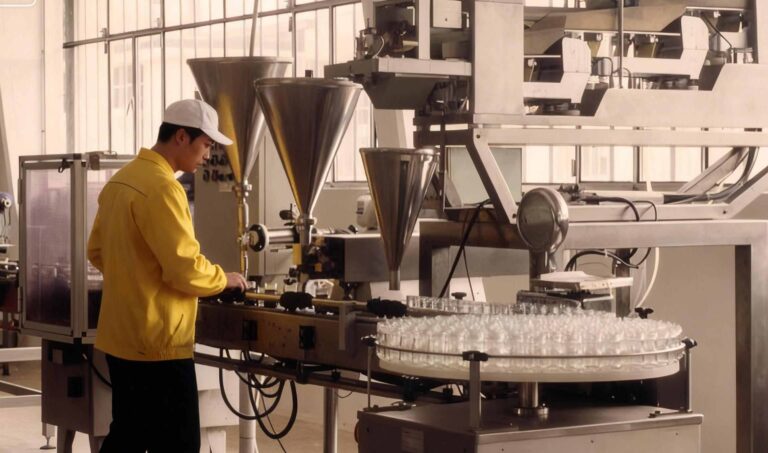
블리스터 포장기 자동화 정도에 따라 반자동 포장기, 자동 포장기, 완전 자동 생산 라인의 두 가지 유형으로 나뉩니다. 약물(정제, 캡슐 및 좌약 등)의 포장은 주로 PTP(Press Through Pack) 자동 포장 라인이라고도 하는 자동 포장 생산 라인을 사용합니다. 수평 및 수직의 두 가지 유형이 있습니다. 일반적으로 생산성이 높고 포장 품질이 좋은 다중 컬럼 구조를 채택합니다. 감지 장치와 폐기물 거부 메커니즘이 장착되어 있어 인쇄, 지침 배포 및 박스 프로세스를 생산 라인에 연결할 수 있습니다. 완전한 포장 기능을 갖춘 전형적인 자동 포장 생산 라인입니다.
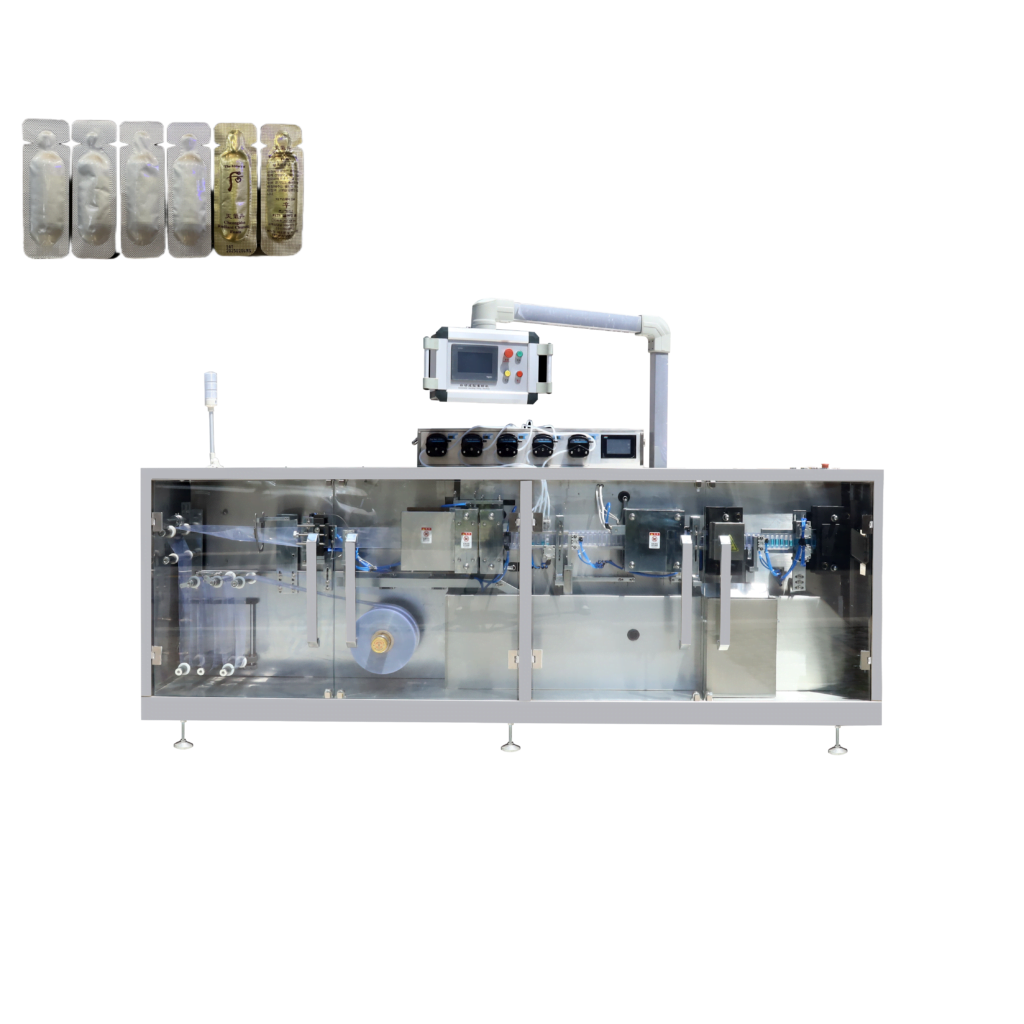
블리스터 포장 장비의 구성
제약품 블리스터 포장기는 기본적으로 다른 제품의 블리스터 포장 장비와 동일하며, 주로 다음과 같은 부분으로 구성됩니다.
① 가열부가열 장치는 플라스틱 시트를 가열하여 부드럽게 만들어 성형하기 쉽게 하는 데 사용됩니다.
히터와 얇은 시트 사이의 다양한 접촉 방법에 따라 직접 가열과 간접 가열의 두 가지 가열 방법이 있습니다. 직접 가열은 얇은 시트를 히터와 접촉시키는 것이며 가열 속도는 빠르지만 고르지 않아 얇은 재료를 가열하는 데 적합합니다. 간접 가열은 복사열을 사용하여 얇은 시트에 가깝게 가열하는 것이며 철저하고 균일하지만 속도가 느리고 두껍고 얇은 재료 모두에 적합합니다.
히터의 열원에 따라 가열 방법은 열풍 가열과 열 복사 가열입니다. 열풍 가열은 고온의 열풍을 사용하여 가열된 플라스틱 얇은 시트의 표면에 직접 분사합니다. 이 방법은 가열 효율이 낮고 균일하지 않습니다. 열 복사 가열은 원적외선 히터에서 생성된 빛 복사와 고온을 사용하여 굽힘 재료의 얇은 시트를 가열하여 가열 효율과 균일성이 높습니다.
② 성형부분 성형 부분은 치과 성형과 진공 성형의 두 가지 방법으로 나눌 수 있습니다. 압축 성형은 압축 공기를 사용하여 연화된 얇은 시트를 금형에 불어 넣어 금형의 내벽에 가깝게 하여 블리스터를 형성하는 것입니다. 금형은 평평한 판 모양을 채택하여 일반적으로 간헐적으로 운반되거나 연속적으로 운반됩니다. 성형 품질이 좋으며 깊고 얕은 블리스터 모두에 적합합니다. 진공 성형은 연화된 얇은 시트를 금형의 내벽에 흡수시켜 진공으로 블리스터를 형성하는 것입니다. 금형은 대부분 연속 운반을 위해 롤러 모양을 채택합니다. 진공으로 생성되는 흡입력이 제한되고 블리스터가 성형 후 롤러를 떠나는 각도가 제한되기 때문에 얕은 블리스터와 얇은 재료에만 적합합니다.
③ 충전장치. 약물은 형성된 블리스터에 정량적으로 충전되며, 대부분 다중열 정량 자동 충전 장치가 사용됩니다.
④ 열 밀봉 장치 덮개에 사용된 알루미늄 호일 기판 소재는 블리스터에 밀봉됩니다. 플랫 플레이트와 롤러의 두 가지 유형이 있습니다. 플랫 플레이트 유형은 간헐적 운반에 사용되고 롤러 유형은 연속 운반에 사용됩니다.
블리스터 포장의 생산 공정
블리스터 포장의 기본 공정은 플라스틱 시트 가열, 필름 형성이며, 블리스터 포장 기계로 의약품 블리스터 포장을 생산하는 배치가 크고, 종류가 비교적 고정되어 있으며, 안전과 위생이 요구되므로 생산을 위해 자동화된 블리스터 포장 기계 포장 라인을 사용하는 것이 좋습니다. 자동화된 작업 중에 포장 공정을 완료하는 것 외에도 인쇄, 지침 설치, 박싱 및 기타 공정을 포장 라인에 연결하여 완전 자동화된 블리스터 포장 생산 라인을 형성할 수도 있습니다. 생산 공정은 다음과 같습니다.
제품 충진, 기판 덮기, 열 밀봉, 트리밍 및 트리밍.
(a) 플라스틱 필름 롤이 풀리고 앞으로 운반됩니다.
(b) 필름을 가열하여 연화시킨 후 금형 내에서 압축 성형(압축 공기를 사용) 또는 흡입 성형(진공을 사용)하여 블리스터를 형성합니다.
(c) 제품은 자동 공급 메커니즘을 통해 채워집니다.
(d) 블리스터 성형 및 충전 품질을 감지합니다. 자동 생산 라인에서는 광전 검출기를 자주 사용합니다. 불합격 제품이 발견되면 결함 신호가 메모리 장치로 전송됩니다. 펀칭 공정이 완료된 후 결함 제품은 자동으로 제거됩니다.
(e) 롤 기질 재료는 채워진 블리스터로 덮여 있습니다.
(f) 블리스터와 기질은 판 또는 롤러 열 밀봉기로 함께 밀봉됩니다.
(g) 배치 번호와 날짜는 기판 뒷면에 인쇄됩니다.
(h) 개별 포장 단위로 펀칭합니다. 펀칭 프로세스가 완료된 후, 결함 있는 거부 장치는 메모리 장치에 저장된 신호에 따라 결함 있는 제품을 제거합니다.
(j) 설명서와 상자는 판매 패키지로 설치됩니다.
결론
제약 블리스터 포장은 의약품의 안전성, 보호 및 무결성을 보장하는 중요한 공정입니다. 폴리염화비닐, 폴리염화비닐리덴, 알루미늄 호일과 같은 고품질 소재와 효율적인 자동화 장비를 사용하여 블리스터 포장 공정은 엄격한 위생 및 안전 표준을 충족할 뿐만 아니라 습기, 빛 및 공기에 대한 향상된 차단 보호 기능을 제공합니다. 플라스틱 시트를 가열하고 성형하는 것부터 충전 및 열 밀봉에 이르기까지 생산 공정은 제약 제품에 대한 안정적이고 안전한 포장 솔루션을 보장합니다. 산업이 계속 발전함에 따라 고급 소재와 포장 기술의 개발은 블리스터 포장의 효율성과 지속 가능성을 더욱 향상시켜 제약 분야에서 없어서는 안 될 선택이 될 것입니다.

 English
  Spanish
  Russian
  Korean
  French
  German
  Italian
  Arabic
  Thai
Thai  Chinese
  Vietnamese
  Japanese
  Portuguese
  Dutch
Dutch  Malay
Malay