
Let me say this upfront: most candy packaging problems aren’t caused by bad machines.
They’re caused by bad assumptions.
I’ve walked through plants where candy was still packed by hand, taped shut with generic boxes, and shipped out hoping nothing melted, cracked, or leaked. Hope is not a strategy. Especially when margins are thin.
And here’s something interesting.
When I look at real discussions from operators, founders, and small manufacturers—outside sales brochures—the complaints are always the same:
- Packing is slow
- Labor is expensive
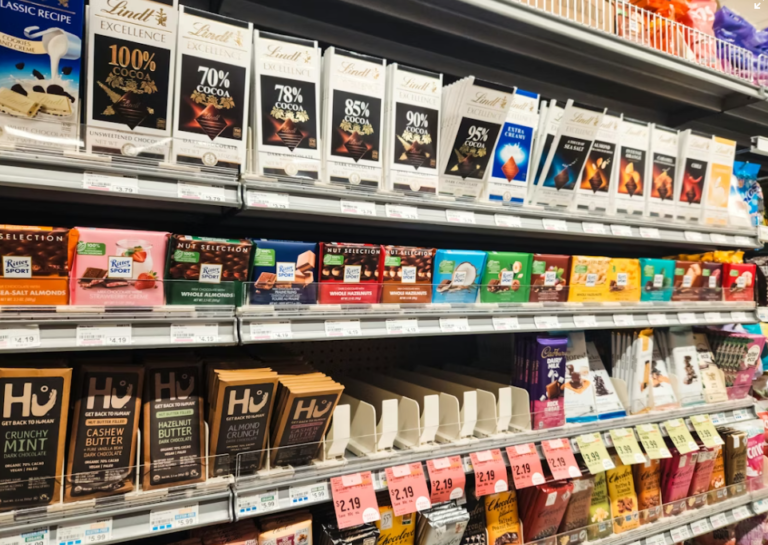
- Packaging looks cheap
- Eco-friendly ideas break the line
So let’s talk about what actually works, not what sounds good in theory.
What types of candy packing machines?
¿Estás pensando en montar una línea de envasado de dulces? Obtén una recomendación completa sobre la línea —desde el llenado hasta el encajonado— en cuestión de minutos.
Crea tu propia línea de envasado de dulces →There is no universal “best” machine. Candy behavior decides everything.
Sticky gummies behave nothing like hard mints. Chocolate melts. Sugar dust builds up. Anyone selling a one-size-fits-all solution is skipping reality.
Is flow wrapping still the fastest option?
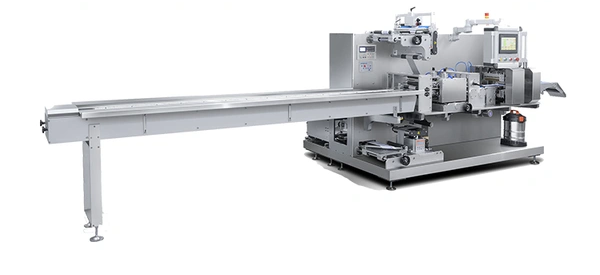
Yes. For single-piece, high-volume candy, nothing touches flow wrapping.
Chocolate bars, chew sticks, hard candies—this is where HFFS machines earn their reputation. Modern servo-driven systems routinely run 200–290 packs per minute when the product is stable.
Continuous motion matters. Film never stops. Output stays predictable.
That’s why large confectionery lines still rely on it.
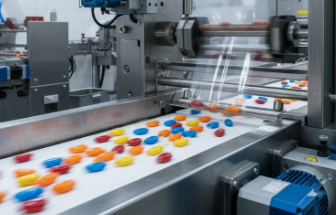
Why are pouches taking over candy shelves?
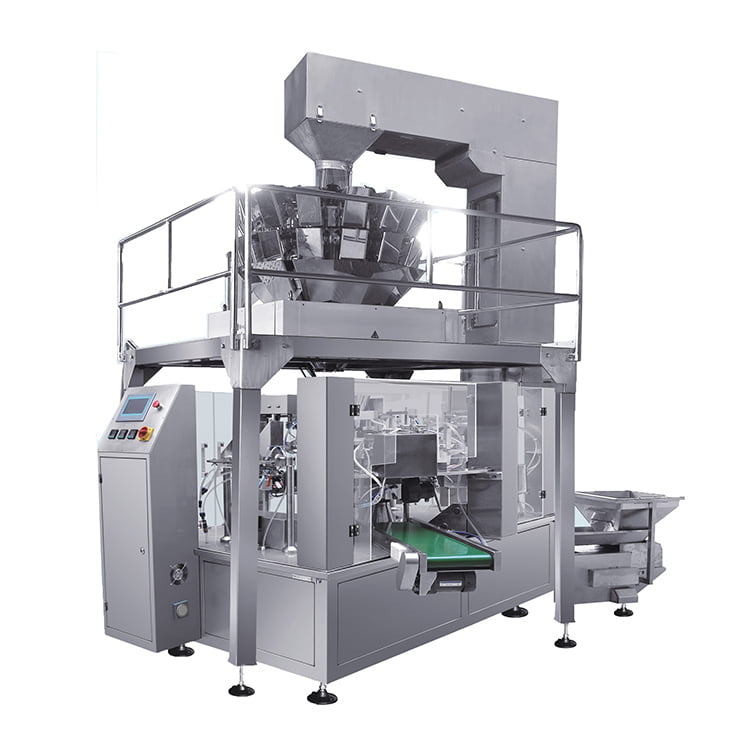
Because consumers trust resealable packaging more—and they’re willing to pay for it.
This isn’t just marketing talk. Across retail, stand-up pouches are replacing pillow bags because they:
- Reseal
- Stack better
- Feel more premium in hand
From a production standpoint, there are two real options:
VFFS machines:
Fast, efficient, cost-controlled. Typical output sits around 60–100 bags per minute, depending on film and product flow.
Premade pouch machines:
Slower, yes—but the bag finish is cleaner, and branding looks sharper. Many brands accept lower speed for higher perceived value.

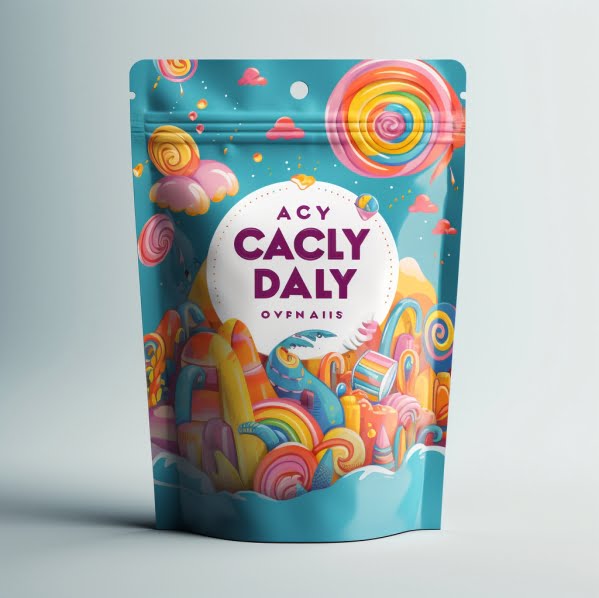
Some operators online even admit that packing by weight can feel “faster” manually at small scale, but once volumes grow, inconsistency becomes expensive. Automation wins long-term.
Does twist wrapping still matter today?
Absolutely. Especially for classic or premium candy.
Twist wrapping hits nostalgia in a way no pouch ever will.
- Double twist feels gift-like.
- Single twist feels playful and familiar.
What’s changed is the tech.
Modern twist wrappers use sensors like “no product, no paper”, cutting film waste when feeding skips. That alone saves real money over a year.
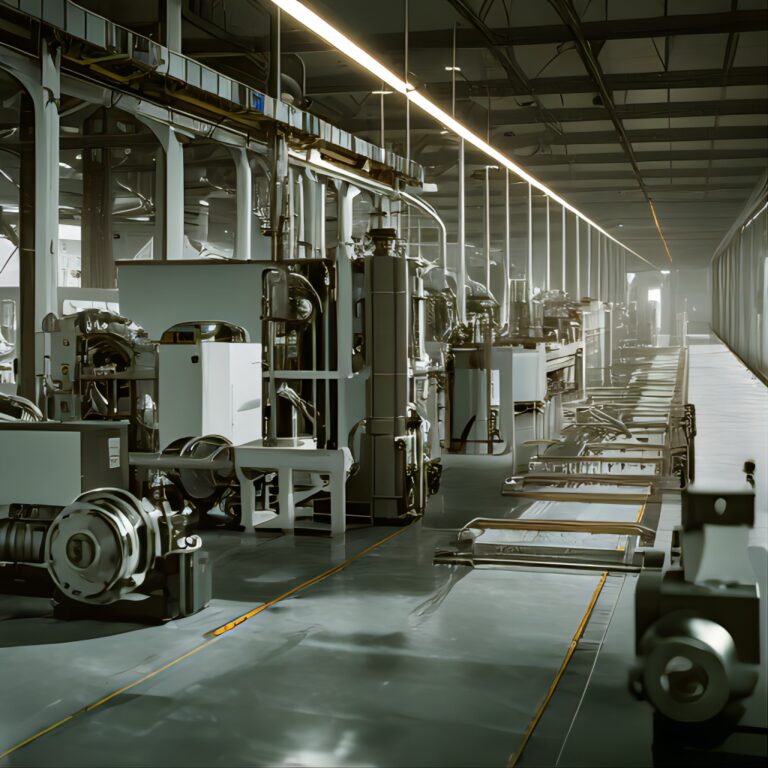
How does a modern candy packing line actually work?
It’s not magic. It’s controlled chaos.
The sequence almost always looks like this:
- Feeding:
Vibratory or belt feeders align candy. Sticky products need coated surfaces or jams are guaranteed. - Weighing or counting:
Multihead weighers combine pieces to hit target weights fast. Counting systems work well for uniform candy. - Bagging and sealing:
Temperature, pressure, and dwell time must match the film. Eco-materials are far less forgiving here. - Inspection:
Checkweighers reject underfills. Metal detectors protect your brand from disasters.
Most failures happen because one step was underestimated. Usually feeding. Sometimes film behavior.
Can better packaging really increase candy sales?

Yes—and not because of graphics alone.
Real-world feedback from operators shows buyers react to:
- Custom box sizes that stop products from rattling
- Protective inserts that look intentional, not improvised
- Branded tape or small details that improve unboxing
On shelves, innovation shows up as:
- Custom pouch shapes
- Foil accents or spot finishes
- Clear sustainability signals
Eco-friendly packaging gets attention—but it comes with trade-offs.
Paper has weak barrier properties. Compostable films burn easily if sealing control is sloppy. Machines must adapt, not the other way around.
Where does Lintyco fit into all of this?
Between over-engineered European systems and underbuilt low-cost machines.
After years of working with confectionery producers, one thing is clear:
Most problems don’t show up on day one. They show up six months later.
Lintyco focuses on:
- Flow wrapping systems for continuous candy lines
- VFFS and premade pouch solutions
- Complete, balanced packing systems—not standalone machines
The goal isn’t speed on paper. It’s stability in production.
How do you choose the right candy packing solution without regret?
Start with the candy. Not the brochure.
Ask yourself:
- Is it sticky, fragile, or temperature-sensitive?
- Do you need flexibility or raw speed?
- How often will you change SKUs?
Where do most projects go wrong?
Three places, again and again:
- Film choice doesn’t match sealing capability
- Product behavior is underestimated
- Future packaging ideas aren’t considered
That’s how lines get replaced too early.
Crea tu propia línea de envasado de dulces
Obtén una recomendación personalizada adaptada a tu producto y a tus objetivos de producción.
- ✓ Tipo de producto y formato de envase
- ✓ Objetivo de producción (bolsas/min)
- ✓ Diseño de la línea + recomendaciones sobre el equipamiento
- ✓ Estimación de la capacidad + ROI
Your Turn
Candy should be fun.
Packaging shouldn’t be a daily fire drill.
So tell me honestly:
What’s breaking your line right now—feeding, sealing, or inconsistency?
That answer usually decides everything.

 English
  Spanish
  Russian
  Korean
  French
  German
  Italian
  Arabic
  Thai
Thai  Chinese
  Vietnamese
  Japanese
  Portuguese
  Dutch
Dutch  Malay
Malay